
 Lina Irawan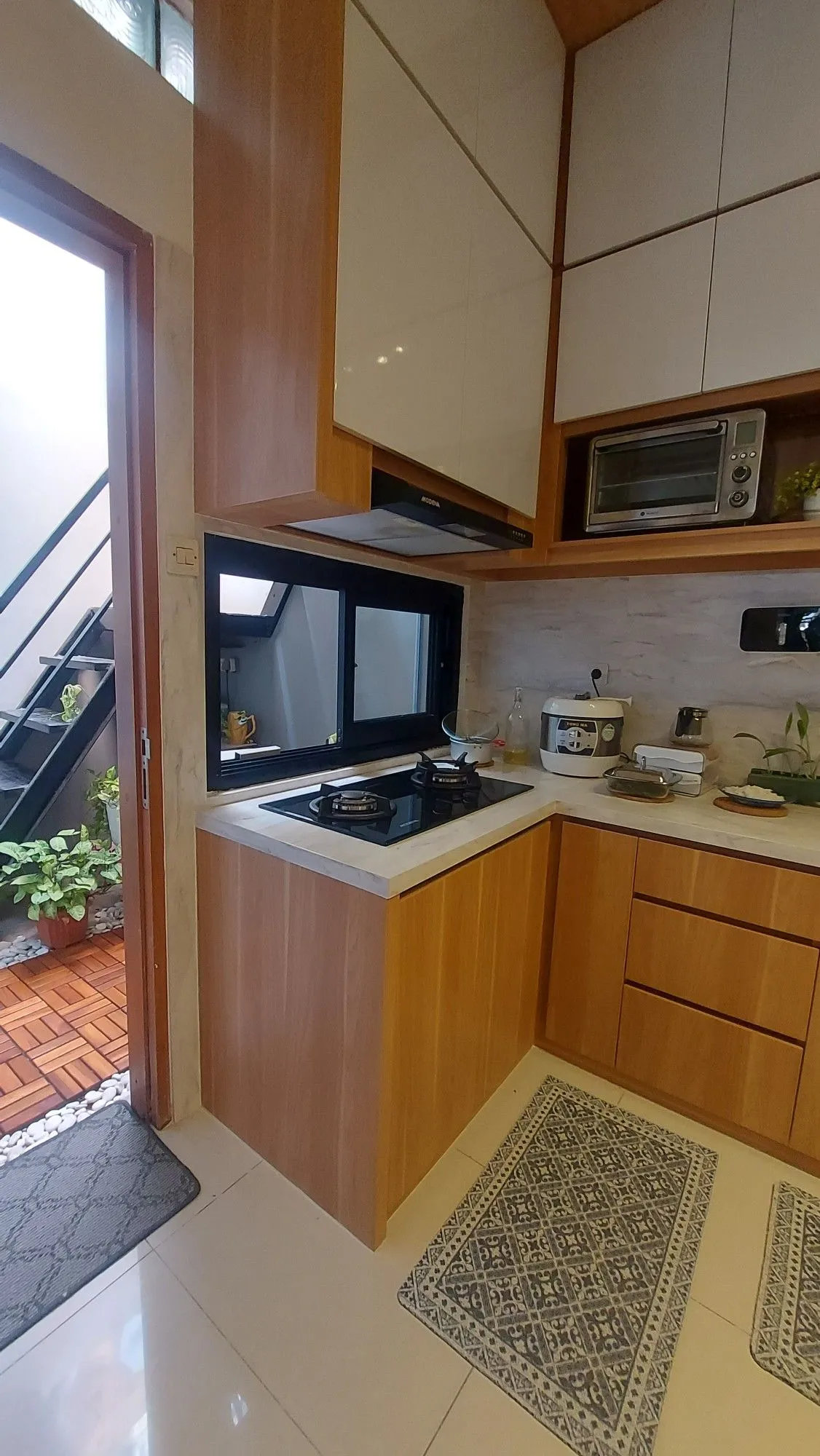
Minimalist kitchen design stands as a paradigm of contemporary interior architecture, meticulously balancing spatial efficiency with an unwavering commitment to aesthetic purity. At its core, this design philosophy prioritizes maximizing the utility of every inch of space while rigorously adhering to clean lines and an uncluttered visual lexicon. By deliberately shedding superfluous decorative ornamentation, minimalist kitchens cultivate an expansive, serene atmosphere that belies their potentially compact footprints, transforming the culinary area into a sanctuary of calm and order within the home. This strategic approach extends beyond mere visual appeal, directly influencing the comfort and psychological well-being of inhabitants. A precisely organized kitchen layout is instrumental in mitigating stress and enhancing efficiency during daily activities, underscoring the profound impact of thoughtful design on domestic life.
The creation of a truly minimalist kitchen transcends the simple act of stowing away cookware. It is an intricate process underpinned by sophisticated theories of visual composition, precise architectural proportioning, and meticulous engineering of movement flow. Every element, from the placement of cabinetry to the selection of finishes, is subjected to rigorous scrutiny, ensuring that the final design is not only visually appealing but also inherently functional and harmoniously integrated into the overarching structure of the home. This holistic perspective elevates kitchen design from a mere furnishing task to a comprehensive architectural endeavor.
The Enduring Appeal of Minimalist Kitchen Design
The rise of minimalist design in kitchens is not merely a passing trend but a considered response to evolving lifestyles and spatial constraints, particularly in densely populated urban environments. Homeowners increasingly seek spaces that offer both tranquility and high functionality without compromising on style. Minimalist kitchens cater to this demand by embodying principles of clarity, simplicity, and efficiency. This design ethos, originating from post-World War II movements that valued utility and understated elegance, has seen a resurgence as modern life becomes more complex, driving a desire for simpler, more ordered domestic environments. Its enduring appeal lies in its ability to create a sense of spaciousness and calm, even in the smallest of areas, a crucial factor in contemporary residential planning where maximizing perceived space is often a primary concern.
Beyond Aesthetics: The Science of Visual Harmony
Human perception is inherently wired to seek order and coherence. In the context of interior design, a haphazard arrangement of kitchen elements can overwhelm the visual field, leading to a sense of clutter and mental fatigue. Research in environmental psychology consistently shows that visual clutter can increase stress and reduce cognitive performance. Conversely, a well-orchestrated composition, adhering to principles such as Gestalt psychology, guides the eye smoothly from one point to another, creating an uninterrupted visual flow. This seamless transition is paramount, especially in compact kitchens, where it can transform a potentially cramped space into one that feels open, inviting, and comfortable.

The strategic placement of cabinets, appliances, and work surfaces is not arbitrary but a product of careful calculation. Each line, plane, and dimension must integrate fluidly with the home’s overall architectural framework. Industry experts, like renowned architect John Pawson, consistently emphasize that successful minimalist design is less about what is added and more about what is thoughtfully removed, leaving behind only essential elements that serve a purpose and contribute to the overall visual tranquility. This meticulous attention to detail ensures that the kitchen functions not just as a cooking space, but as a carefully curated visual experience, enhancing the homeowner’s daily life.
Prioritizing User Experience: Ergonomics and Safety
A cornerstone of minimalist design is its intrinsic commitment to ergonomics and safety. By deliberately eliminating sharp angles and protruding decorative ornaments, minimalist kitchens inherently reduce the risk of accidental bumps or injuries during intensive cooking activities. The prevalence of flush surfaces, handle-less cabinetry, and integrated elements minimizes physical obstructions, creating a safer and more comfortable environment for users. This streamlined approach contributes significantly to a kitchen’s functionality, allowing for unrestricted movement and easier cleaning and maintenance.
Beyond physical safety, a well-organized and uncluttered space exerts a profound calming effect on psychological well-being. The absence of visual chaos contributes to reduced stress levels, fostering a more pleasant and productive cooking experience. From an investment perspective, kitchens designed with such universal appeal and high standards of safety and ergonomics are demonstrably more attractive to potential buyers, thereby enhancing property value and marketability. According to a 2023 survey by the National Association of Home Builders, kitchen remodels consistently offer one of the highest returns on investment for homeowners, with modern, efficient designs being a key driver of buyer interest.
Mastering Architectural Lines: The Foundation of Form
The fundamental character of a kitchen is profoundly influenced by its architectural lines. In minimalist design, horizontal lines are expertly employed to create an illusion of increased width, making a space feel more expansive than its actual dimensions. For example, elongated drawers and continuous countertops manipulate the eye, drawing it across the room and enhancing the perception of breadth. These horizontal elements are formed by the subtle gaps between drawer fronts, the consistent thickness of benchtops, and the lower edges of upper cabinets. The fewer vertical interruptions dissecting these horizontal planes, the more serene and expansive the visual outcome, reinforcing the sense of unbroken continuity.
Vertical lines, conversely, are typically reserved for tall storage units (often referred to as "tall units" or "larder cabinets") or integrated refrigerator panels. Their purpose is to draw the eye upwards, creating a sense of height and loftiness, making the ceiling appear higher. The precise intersection of these horizontal and vertical lines is critical; even a slight misalignment in a cabinet door or panel can disrupt the delicate visual balance, causing the entire kitchen to appear disheveled and detracting from its intended minimalist aesthetic. This precision in execution is where professional design and craftsmanship become indispensable, ensuring every joint and seam aligns perfectly.

Achieving Balance: Symmetrical vs. Asymmetrical Approaches
A fundamental principle in any successful design is balance, preventing a space from feeling visually lopsided or unstable. Designers employ two primary approaches to achieve this equilibrium:
Symmetrical Balance: This technique involves mirroring elements on either side of a central axis, creating an identical visual weight and form. In kitchen design, the cooktop and range hood often serve as the focal point for symmetrical arrangements, with matching cabinetry or shelving flanking them. This approach exudes a sense of order, formality, and traditional elegance, often found in classical or more structured modern designs. However, achieving perfect symmetry can be challenging in practical applications, frequently constrained by existing architectural features such as window placements, structural columns, or fixed plumbing installations. Furthermore, a completely symmetrical layout can sometimes feel rigid or overly formal for the dynamic demands of daily kitchen use.
Asymmetrical Balance: Far more prevalent in modern minimalist kitchen design, asymmetrical balance achieves equilibrium not through identical forms but through the strategic distribution of visual weight. This technique allows for greater flexibility and dynamism. For instance, a prominent large window on one side of the kitchen can be visually counterbalanced by a tall, dark-colored storage cabinet or a bank of wall ovens on the opposing side. Although distinct in form, both elements possess comparable visual gravitas, effectively drawing the eye and maintaining overall harmony. Asymmetrical designs imbue a kitchen with a more fluid, natural, and contemporary feel, adapting seamlessly to diverse architectural contexts and functional requirements while still achieving a sophisticated sense of order.
Creating Visual Rhythm and Flow
A space comes alive with visual rhythm, achieved through the deliberate repetition or gradual progression of shapes, sizes, or patterns. In minimalist kitchens, the simplest method to establish this rhythm is by standardizing the dimensions of cabinet doors. A consistent series of cabinet doors, perhaps all 60 centimeters wide, immediately imparts a sense of order and regularity, guiding the eye along an uninterrupted path. This uniformity contributes significantly to the clean, uncluttered aesthetic.
Rhythm can also be cultivated through gradation, where elements transition smoothly from one size or intensity to another. An arrangement of drawers, for example, progressing from the thinnest at the top to the thickest at the bottom, subtly directs the viewer’s gaze through the composition. This creates a subtle visual hierarchy and a sense of deliberate design. Conversely, an arbitrary mix of cabinet door sizes or styles within a single row can instantly disrupt this visual harmony, leading to a fragmented and chaotic appearance. The key is intentionality and consistency in the application of these design elements to foster a cohesive and tranquil environment.

Defining the Focal Point: A Guiding Principle
Every well-designed kitchen benefits from a singular focal point—a specific area that immediately captures attention upon entering the room. This serves as an anchor, drawing the eye and providing a visual center of gravity for the space. The cooktop area, often enhanced by a striking backsplash crafted from a distinctive natural stone (such as marble or quartzite) or a uniquely textured large-format tile, is a frequently chosen focal point. Similarly, a generously sized kitchen island, particularly one finished in a luxurious material or featuring a waterfall edge, can serve as a powerful visual anchor, defining the heart of the kitchen and often serving as a central gathering point.
The cardinal rule for focal points is singularity: there should only be one primary point of interest. If a kitchen island is designed to be exceptionally prominent and visually arresting, the surrounding wall areas and cabinetry should be deliberately subdued with neutral colors or understated finishes. Overloading a space with multiple competing focal points creates visual noise, leading to rapid eye fatigue and diminishing the overall impact of the design. The objective is to create a moment of visual interest that enhances, rather than overwhelms, the minimalist aesthetic, ensuring a sense of calm sophistication.
The Power of Negative Space: Less is More
In minimalist design, the strategic utilization of negative space—the empty areas around and between objects—is as crucial as the placement of physical elements. While the instinct might be to maximize storage by filling every available wall with floor-to-ceiling cabinetry, this often results in a claustrophobic and visually heavy environment. Deliberately leaving portions of the wall exposed provides essential visual breathing room, allowing the eye to rest and preventing the space from feeling overwhelmed or cramped. This approach is rooted in the Japanese concept of "Ma," emphasizing the significance of empty space.
An uncluttered wall not only enhances the sense of spaciousness but also offers an opportunity to showcase the subtle textures or colors of the wall finish itself, or to feature a singular piece of art. This understated approach to design often reveals a more sophisticated form of luxury, one that derives from the generosity of space rather than the abundance of objects. Homeowners are encouraged to resist the urge to over-cabinet, understanding that true elegance in minimalism often emerges from carefully considered emptiness, creating a sense of lightness and openness.
Scale, Proportion, and Color: The Pillars of Design

The success of a minimalist kitchen hinges significantly on the precise application of scale and proportion. Cabinet dimensions must be thoughtfully proportional to the overall size of the room. Introducing an oversized island into a small apartment kitchen, for example, will immediately disrupt the ergonomic flow and visual balance, hindering comfortable movement. Architects often refer to the Golden Ratio (approximately 1.618) as a guide for harmonious proportions in design. Similarly, the thickness of the countertop must be carefully considered; an excessively thick benchtop can appear incongruous and clunky when paired with sleek, slender base cabinets, while too thin may lack visual weight.
Color, too, plays a pivotal role in defining scale and mood. Interior designers frequently employ the 60:30:10 rule for color distribution, a principle derived from classic interior design. This guideline allocates 60% of the space to a dominant color, typically applied to the main cabinetry and large wall areas, creating a cohesive backdrop. A secondary color occupies 30%, often seen on countertops, backsplashes, and feature walls, adding depth and contrast. The remaining 10% is reserved for accent colors, introduced through elements like bar stools, decorative accessories, or subtle lighting features, providing pops of personality without overwhelming the minimalist aesthetic. This structured approach ensures a harmonious and balanced color palette.
Optimizing Workflow: The Ergonomic Triangle and Beyond
Even the most visually stunning kitchen will fall short if it fails to deliver practical functionality and ergonomic comfort. A well-designed kitchen must align with the natural movements of the human body to prevent strain and enhance efficiency. The classic "Work Triangle" concept—linking the refrigerator, sink, and cooktop—remains a fundamental benchmark for efficient kitchen layouts. The cumulative distance traveled between these three primary workstations should ideally be maintained between 3 and 7 meters, minimizing unnecessary steps and optimizing workflow. This design principle, developed in the 1940s, remains highly relevant today.
Beyond the work triangle, specific considerations enhance usability. It is crucial to allocate a sufficiently spacious prep area, ideally positioned immediately adjacent to the sink, to facilitate food preparation and cleanup. The height of the countertops must also be customized to the primary user’s stature to prevent discomfort and shoulder tension during prolonged cooking sessions; adjustable counter heights are an emerging trend for ultimate customization. These ergonomic considerations ensure that the kitchen is not just a beautiful space, but a highly efficient and comfortable workspace tailored to its users.
Material Cohesion and Lighting Strategy
A hallmark of minimalist design is material continuity. Introducing an excessive number of disparate materials can visually fragment a space, making it feel smaller and more chaotic. Opting for the same surfacing material for both the countertop and its corresponding backsplash, for instance, creates a seamless, integrated look, fostering the illusion of a single, continuous stone or composite surface extending from the work area upwards. This uniformity contributes to the tranquil aesthetic.

Similarly, consistency in wood grain direction for cabinet paneling—whether vertical or horizontal—is vital for maintaining a clean, cohesive appearance across all cabinetry. Limiting the primary materials in a kitchen to a maximum of three types ensures visual clarity and prevents the space from feeling cluttered or overwhelming.
Lighting is equally crucial; even the most meticulously designed kitchen can appear flat and lifeless without a well-conceived lighting scheme. Effective lighting is essential for accentuating material textures and adding depth to various corners of the room. Task lighting, such as under-cabinet strip lights, should be strategically placed to illuminate food preparation areas, ensuring safety and precision. Ambient lighting sets the overall mood, while accent lighting can highlight architectural features or decorative elements. The color temperature of the lighting must also be carefully selected: warm white illumination (around 2700K-3000K) often enhances natural wood tones, while cool or neutral white light (around 4000K-5000








