
 Lina Irawan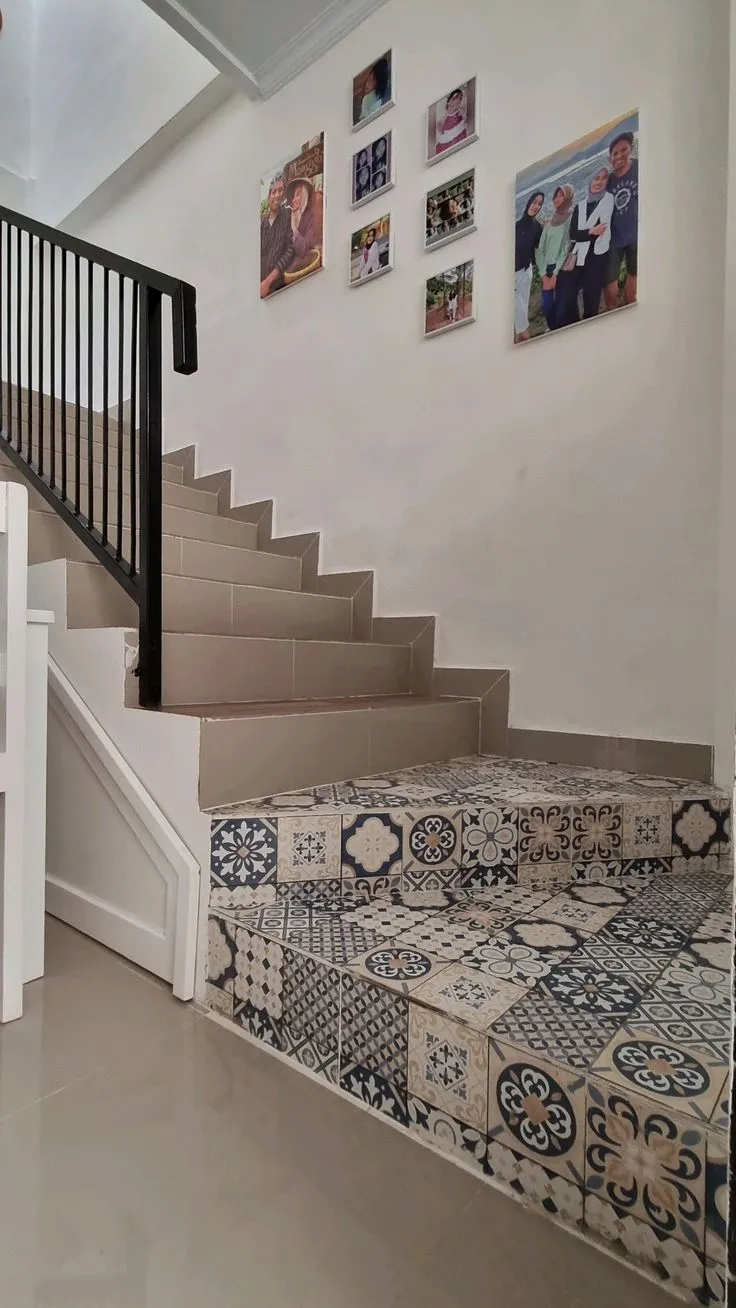
The interplay between floor and wall ceramics is a cornerstone of interior design, dictating not just the aesthetic appeal of a space but also its perceived size, mood, and overall comfort. Far from being a mere decorative choice, the strategic combination of tiles is a fundamental design principle, rooted in creating visual harmony and preventing overwhelming sensory experiences. As leading design publication InteriorDesign.ID emphasizes, the cardinal rule remains steadfast: designate one area as the primary visual focus and let the other serve as its complementary backdrop. This deliberate approach is crucial for crafting interiors that are both captivating and serene, ensuring that every element contributes to a cohesive and inviting atmosphere.
Foundational Principles: Striking the Right Balance
The initial step in any successful tile combination project is establishing a clear focal point. Without this deliberate decision, floors and walls can inadvertently compete for attention, resulting in visual chaos and a sense of disarray. Industry experts consistently advise against allowing both surfaces to carry busy or intricate patterns simultaneously. For instance, if a homeowner chooses to install a vibrant, patterned floor—such as traditional tegel or contemporary terrazzo—the accompanying walls should ideally be kept understated with solid, neutral colors. Conversely, when the walls become the star, perhaps adorned with intricate Moroccan tiles or a dynamic mosaic backsplash in a kitchen, the floor should recede into the background, featuring muted tones like plain concrete grey or soft cream. This "give and take" dynamic is not merely an aesthetic preference; it’s a practical strategy to avoid visual fatigue, making a room feel larger and more inviting.

This principle extends beyond just pattern and color. The scale and texture of the materials also play a pivotal role. Before making any purchases, even if tempted by attractive discounts, it is imperative to consider the room’s function, the natural light it receives, and the overall desired ambiance. A well-thought-out plan ensures that the chosen ceramics contribute positively to the home’s comfort and long-term appeal, rather than becoming a source of visual discord. The global tile market, valued at over $200 billion annually, reflects a diverse range of options, making informed choices more critical than ever to navigate the vast array of styles and materials effectively. Data from market research firms like Grand View Research consistently highlight the growing consumer demand for aesthetically pleasing yet functional tile solutions, underscoring the importance of expert guidance in this complex field.
The Nuance of Scale and Texture
While the "one hero, one supporter" rule is a strong guideline, design offers exceptions, particularly in expansive spaces. In very large rooms, a daring combination of distinct patterns on both floor and wall can work, provided there is a significant difference in their scale. For example, a floor adorned with a grand, oversized geometric pattern might harmoniously coexist with a wall featuring a very small, delicate motif. This drastic difference in scale prevents the patterns from clashing, allowing the eye to process each element distinctly and enhancing the room’s architectural interest.
Texture is another critical, yet often overlooked, dimension. A room’s tactile quality significantly influences its perceived warmth, sophistication, and even safety. Leading designers caution against pairing highly textured floors, such as rustic, rough-hewn ceramics, with equally prominent 3D-effect wall tiles. Such a combination can create a sense of overwhelming busyness and visual tension. Instead, balance is key. If walls feature glossy, reflective tiles that bounce light around, a matte-finish floor can provide a grounding counterpoint, absorbing some of the light and creating a more balanced visual environment. This interplay of reflective and absorptive surfaces contributes to a sophisticated and well-considered space, preventing unwanted glare and maintaining an even distribution of light. The choice of texture can also impact practical aspects, with slip-resistant textures being paramount for floors in wet areas, a detail often highlighted in architectural safety standards. For instance, the Coefficient of Friction (COF) ratings are crucial metrics for ensuring safety in residential and commercial applications, with higher COF values indicating better slip resistance.

Crafting a Cohesive Narrative: Beyond Individual Tiles
To ensure a home doesn’t resemble a disjointed showroom, creating a unified visual language across different spaces is essential. This can be achieved by establishing a "red thread" through shared elements like color, form, or style. This cohesive narrative binds the various areas together, fostering a sense of flow and intentional design.
One of the simplest yet most effective methods is employing a monochromatic or analogous color scheme, utilizing different shades and tones of the same color family. For instance, pairing a dark grey floor with lighter grey wall tiles, perhaps in a smaller format, creates an elegant transition that is inherently safe from color clashes. This approach offers depth without sacrificing harmony, a principle often observed in minimalist Scandinavian designs.
Another powerful technique involves repeating shapes. Imagine a living area featuring hexagonal floor tiles measuring 30×30 cm, complemented by smaller 10×10 cm hexagonal tiles on an accent wall. The human brain naturally recognizes this repetition as an organized pattern, lending a sense of order and sophisticated design to the space. This visual echo strengthens the room’s identity and visual flow, a concept explored in Gestalt psychology regarding pattern recognition.

However, moderation is crucial. Design experts typically recommend limiting the combination to a maximum of two complementary styles. Attempting to blend disparate aesthetics—such as vintage tegel, classic marble, and rustic wood-look ceramics within a single sightline—will almost certainly lead to visual dissonance and detract from the overall ambiance. The goal is a curated look, not a collection of disparate elements, ensuring the space feels deliberately designed rather than haphazardly assembled.
Room-Specific Strategies: Tailoring Tile Choices
The function and desired mood of each room significantly influence optimal tile selection, impacting both aesthetics and practicality.
-
Living and Family Rooms: These communal areas demand a sense of spaciousness and order. Large-format floor tiles, ideally 60×60 cm or larger, are recommended as they minimize grout lines, contributing to an expansive feel. Subtle patterns, such as delicate marble veins, work well, as much of the floor might be covered by rugs and furniture. Patterned tiles are best reserved for a single accent wall, allowing the remaining walls to maintain a neutral backdrop, promoting a calm and sophisticated environment. This approach aligns with contemporary minimalist trends that prioritize clean lines and understated elegance, often favored for enhancing property resale value.

-
Kitchen and Dining Areas: Kitchens are inherently busy spaces, filled with cabinetry and appliances. The backsplash offers an ideal canvas for creative tile patterns, such as classic subway tiles arranged in a dynamic herringbone pattern. For the floor, functionality is paramount; anti-slip properties are non-negotiable. A matte, concrete-grey finish not only provides excellent grip but also expertly camouflages spills and splatters inherent to cooking. Crucially, avoid rough-textured tiles on kitchen walls, as their crevices can trap grease and food particles, making cleaning a persistent challenge. The practicality of easy maintenance is a key consideration in this high-traffic, high-activity zone, where hygiene standards are paramount.
-
Bathrooms: Often the smallest room, the bathroom presents a unique opportunity for bold design experimentation. Its separation from main living areas makes it a safe "canvas" for more adventurous combinations. A strong, patterned floor can be effectively paired with solid-colored walls. A popular and safe trick is to divide the wall horizontally: apply patterned tiles to the lower section, resembling a modern wainscoting, and paint the upper portion a solid, complementary color. This prevents the room from feeling visually "choked." Bathroom floors must have a coarse, non-slip texture for safety, while walls can feature glossy tiles to reflect light, brightening what is often a windowless space and creating a sense of cleanliness and sparkle. The demand for anti-microbial and easy-to-clean tiles has also seen a surge in bathroom applications.
-
Bedrooms: As sanctuaries for rest, bedrooms necessitate a tranquil atmosphere. Avoid high-contrast colors or jarring textures. Wood-look ceramic tiles on the floor can evoke warmth and comfort without the maintenance demands of real wood. These pair beautifully with earth-toned walls—think soft creams, warm beiges, or calming sage greens. Designers generally advise against tiling bedroom walls full-height to the ceiling, as this can create a cold, sterile, or institutional feel reminiscent of a hospital corridor. Partial tiling or textured wallpapers offer softer alternatives, contributing to a more inviting and restful ambiance.
-
Terraces and Outdoor Spaces: External areas demand robust, weather-resistant materials capable of withstanding varying climate conditions. Tiles mimicking natural stone, such as textured andesite or pebble-dash, are logical choices for their durability, UV resistance, and anti-slip properties. A combination of dark andesite floor tiles with lighter Palimanan stone-look wall cladding on pillars can create a sophisticated, natural aesthetic. For outdoor terraces, slightly smaller tile sizes are often preferred. The increased number of grout lines in smaller tiles actually aids in water drainage and provides better traction, crucial for safety during wet weather. This selection considers both aesthetic integration with natural surroundings and the practical demands of outdoor exposure.

Emerging Trends and Timeless Aesthetics
The tile industry is constantly evolving, yet certain trends demonstrate remarkable staying power or experience significant revivals. Recent years have seen a strong resurgence in medium-sized tiles, typically ranging from 20×20 cm to 40×40 cm. Their versatility makes them suitable for various applications, striking a balance between the classic appeal of smaller tiles and the expansive feel of large formats, while also being relatively easier to install, appealing to both DIY enthusiasts and professional contractors.
One of the most notable comebacks is terrazzo. This composite material, known for its speckled appearance, is making waves in both floors and walls. A clever design approach involves installing a vibrant, multi-colored terrazzo floor and then selecting one of the prominent chip colors from the terrazzo to be replicated as a solid hue for the wall tiles. This creates a bespoke, integrated look that feels both playful and sophisticated. The resurgence of terrazzo aligns with a broader trend towards sustainable materials, as many modern terrazzo products incorporate recycled content








