
 Lina Irawan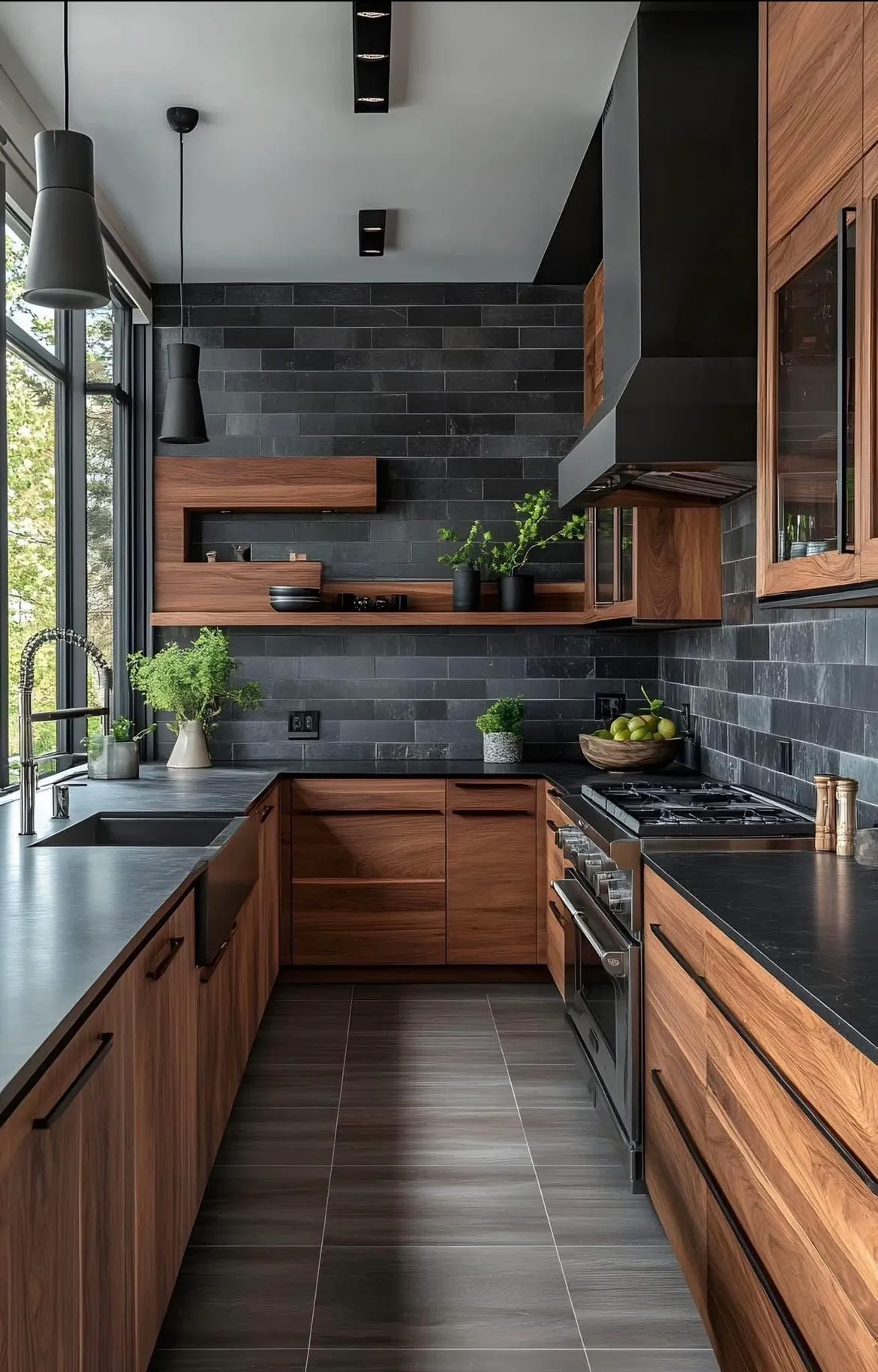
InteriorDesign.ID – The evolution of the modern kitchen has moved far beyond mere functionality, transforming into a central hub that reflects contemporary lifestyles, demanding efficiency, serenity, and sophisticated aesthetics. At the forefront of this transformation is the minimalist modern kitchen set, characterized by its assertive clean visual lines, seamlessly integrated furnishings, and an unwavering commitment to geometric purity. This design philosophy, deeply rooted in principles of spatial efficiency, prominently features built-in electronic appliances and the deliberate absence of cabinet handles, marking a clear departure from traditional kitchen aesthetics. For the discerning urban dweller, a kitchen free from clutter and visual noise is not merely an aesthetic preference; its meticulously organized appearance offers a tangible respite, a sanctuary from the demands of a hectic workday, contributing directly to an enhanced sense of well-being.
The Philosophical Underpinnings of Contemporary Kitchen Design
The modern kitchen’s design ethos is unequivocally guided by the maxim "form follows function," a principle popularized by early 20th-century architects and designers. This philosophy dictates the ruthless elimination of superfluous details; one will search in vain for the ornate curves of classical woodwork or intricate carvings. Instead, the inherent appeal of these spaces emerges from perfectly proportioned cabinetry and the judicious selection of materials. The apparent simplicity of the minimalist form paradoxically demands an exceptionally high degree of precision and craftsmanship in its execution. The entire spatial arrangement is constructed from fundamental geometric blocks—cubes and cuboids—with horizontal and vertical lines rendered as sharply as possible. This rigorous linearity ensures a cooking area that exudes order and clarity, a testament to thoughtful design.
The historical trajectory of kitchen design reveals a fascinating journey from purely utilitarian spaces to highly integrated living environments. Post-World War II, the rise of industrial design and mass production brought about standardized kitchen units. However, it was the late 20th and early 21st centuries that saw the minimalist movement gain significant traction, influenced by Scandinavian design principles and the Bauhaus school, emphasizing simplicity, functionality, and timelessness. This shift coincided with increasing urbanization, where smaller living spaces necessitated ingenious solutions for maximizing utility without sacrificing style. A 2023 survey by the National Kitchen & Bath Association (NKBA) indicated that minimalist and contemporary styles collectively accounted for over 60% of new kitchen design preferences among homeowners in major metropolitan areas, underscoring its widespread appeal.
The Visual Anatomy of Modern Kitchen Cabinetry
The most striking visual element of a minimalist kitchen often resides in its cabinetry doors. The prevalent choice is the "slab door" style, characterized by its entirely flat, unadorned surface. This design deliberately eschews frames, raised panels, or recessed profiles, presenting a smooth, uninterrupted plane. This uniform surface not only prevents dust and grime from accumulating in crevices—a practical advantage—but also ensures a more even reflection of ambient and artificial light, contributing to the kitchen’s bright and expansive feel. To further amplify this sense of seamlessness, the gaps between cabinet doors, known as "nattes" or reveals, are meticulously kept to a minimum, typically between 2 to 3 millimeters. The outcome is a cohesive assembly of cabinets that often appears as a singular, monolithic wall panel, blurring the lines between storage and architectural element.
Innovations in Handleless Design
The conventional metal pull handle, once ubiquitous, is steadily being phased out in modern minimalist kitchens. The protrusion of traditional handles is seen as an interruption to the clean, planar surfaces of the cabinetry. In their place, drawers and cupboards now employ sophisticated hidden opening systems, embodying both form and function. Several ingenious mechanisms facilitate this handleless aesthetic:
- Push-to-Open Systems: A gentle press on the cabinet door activates an internal magnetic mechanism, causing the door to spring open slightly. This system offers unparalleled visual purity, as no external hardware is visible. Its widespread adoption highlights the desire for intuitive and clean interfaces in contemporary homes.
- J-Pull Profiles: This design integrates a J-shaped groove directly into the top or side edge of the cabinet door material itself. This subtle recess provides a comfortable and discreet grip for opening drawers or doors without requiring an external handle. It’s an elegant solution that maintains the flat facade while offering practical access.
- C-Channel Aluminium Profiles: Here, an aluminum profile is strategically integrated into the main cabinet frame, creating a slight cavity behind the door. Users can simply insert their fingers into this discreet gap to pull the door open from behind. This method offers robust functionality and a sleek, industrial edge, often favored for its durability and clean lines.
These handleless solutions are not merely aesthetic choices; they represent advancements in kitchen ergonomics, reducing visual clutter and simplifying cleaning, a key benefit in busy households.

Material Exploration and Finishing Techniques
In the absence of ornate embellishments, the choice of material becomes the primary determinant of a minimalist kitchen’s character and ambiance. The finishing of these materials plays an equally critical role in defining the space’s tactile and visual qualities.
- Matte Finishes: Increasingly dominant in premium kitchen designs, matte (or "doff") surfaces absorb light rather than reflecting it. This characteristic effectively camouflages fingerprints and minor imperfections, lending an air of understated sophistication and elegance. The non-reflective quality creates a softer, more inviting atmosphere, often preferred in larger kitchens where reflectivity might be overwhelming.
- High-Gloss Finishes: Conversely, high-gloss (or "mengkilap") finishes are particularly well-suited for smaller kitchens. Their mirror-like reflectivity effectively bounces light around the room, creating an illusion of expanded space. Materials such as acrylic or lacquered glass are commonly employed for this effect. However, designers often advise a balanced application of high-gloss elements to prevent visual fatigue, ensuring the overall effect remains chic rather than overwhelming.
- Natural Wood Textures: To counteract any potential rigidity or sterility that might arise from an excess of solid colors and smooth surfaces, natural wood textures are frequently introduced as a balancing element. The organic grain patterns of wood effectively break the monotony, injecting warmth, tactility, and a connection to nature into the modern kitchen scheme. This juxtaposition of sleek, man-made surfaces with natural wood creates a harmonious and inviting environment.
Why This Design is Highly Recommended
The principles underpinning minimalist kitchen design are not arbitrary; they are the product of extensive ergonomic research aimed at optimizing user experience. A clean, uncluttered arrangement has been consistently shown to lower stress levels during cooking, fostering a more enjoyable and efficient culinary process. This psychological benefit is particularly relevant in today’s fast-paced world.
Furthermore, the prevalence of enclosed cabinet systems and integrated appliances significantly enhances hygiene standards. Daily dust and grime are less likely to settle on cooking equipment or spice jars, contributing to a cleaner, healthier food preparation environment. This ease of maintenance is a major draw for many homeowners.
The seamless design of minimalist kitchens also proves highly compatible with modern smart home technologies. Motion sensors, voice control devices, and other integrated smart features can be subtly incorporated without disrupting the visual harmony of the space. This forward-thinking approach ensures the kitchen remains technologically relevant for years to come.
From an investment perspective, modern minimalist kitchens tend to appreciate a home’s market value. Their timeless, clean aesthetic appeals to a broad demographic, making properties with such kitchens more attractive to potential buyers. A 2022 report by Zillow found that homes with updated, minimalist kitchens sold on average 15% faster and for 5% more than those with outdated or cluttered designs.
Color Theory in Contemporary Kitchen Aesthetics
Modern kitchen design judiciously avoids overly busy or flamboyant color palettes. Monochromatic schemes, such as sophisticated combinations of dark grey and ivory white, remain a perennial favorite for their ability to emphasize spatial forms and create a sense of calm elegance.
More recently, earthy tones (earth tones) have surged in popularity. Hues like sage green, faded terracotta, or deep navy blue are frequently paired with matte finishes, offering a grounding and organic feel. These colors evoke a sense of tranquility and connection to the natural world.

Many designers advocate for a "two-tone" approach to delineate cabinet sections effectively. By applying darker colors to lower cabinets, a sense of grounding and visual weight is achieved, while lighter shades on upper cabinets can visually extend the ceiling height, making the room feel more expansive. The overarching rule, however, remains steadfast: avoid elaborate motifs. Floral patterns, intricate scrollwork, or bold geometric arrangements are rarely found in this style of kitchen, as they would disrupt the desired visual serenity.
Designing the Countertop: A Foundation of Style
The countertop, a critical work surface, plays a pivotal role in defining the kitchen’s style. Its material thickness is a key determinant. Recent trends lean towards ultra-thin countertops, typically ranging from 12 to 20 millimeters, crafted from advanced materials like solid surface or sintered stone. These materials offer exceptional durability and a sleek, modern profile.
For those who prefer a more substantial, "chunky" countertop, the emphasis shifts to precise, sharp-angled edges. The corners of these thicker countertops are deliberately kept crisp and unrounded, preserving the definitive modern character and preventing any softening of the design’s geometric integrity.
The "Waterfall Edge" Concept
A particularly luxurious and striking design element, especially for kitchen islands, is the "waterfall edge" concept. In this design, the countertop material, often a premium stone, extends vertically down the sides of the island, seamlessly covering the cabinet’s side panels and continuing all the way to the floor. This visual trick creates the illusion that the island is carved from a single, opulent block of stone, conveying an unparalleled sense of luxury and architectural sophistication.
The Evolution of the Seamless Backsplash
The traditional use of small ceramic tiles with numerous grout lines in the kitchen backsplash area is increasingly being superseded. Contemporary design favors large-format material slabs, minimizing grout lines to achieve a smooth, uninterrupted surface.
The most straightforward approach is to match the backsplash material precisely with the countertop, creating a seamless visual flow from the horizontal work surface to the vertical wall. This continuity amplifies the sense of expansiveness and high-end finish.
An alternative gaining traction is the specialized kitchen glass splashback. Beyond its inherently smooth appearance, glass offers superior ease of cleaning, effortlessly repelling oil splatters and food residues. If subway tiles are still desired, a crucial design tip is to match the grout color with the tile color, effectively camouflaging the grout lines and maintaining a more unified look.

Integrated Appliance Solutions
The presence of a freestanding, oversized refrigerator can instantly detract from the aesthetic integrity of a minimalist kitchen. The solution lies in ingeniously concealing these large appliances within the cabinetry system.
- Panel-Ready Appliances: Refrigerators, dishwashers, and even some washing machines are now available as "panel-ready" units. Their doors are designed to be clad with custom wooden panels that perfectly match the surrounding cabinet doors. When closed, these appliances become entirely invisible, seamlessly blending into the kitchen’s continuous facade. This integration is a cornerstone of the minimalist approach, ensuring no functional element disrupts the visual calm.
- Flush Mount and Integrated Cooktops: Ovens or microwaves that cannot be concealed behind wooden panels are meticulously installed "flush mount," meaning they are perfectly aligned with the cabinet surface, with no protruding edges. For cooking surfaces, induction cooktops with their flat, black glass surfaces are highly preferred. Their sleek profile integrates flush with the countertop, offering a stark contrast to traditional gas hobs with their raised grates and bulky appearance.
The Harmony of Symmetry and Asymmetry in Cabinetry
Modern cabinet arrangements are founded on principles of straight, clean lines and meticulous organization. Lower drawers are often designed to be wider—typically between 90 to 120 centimeters—to visually elongate the kitchen space and provide ample, practical storage. The proliferation of small, fragmented drawers is consciously minimized.
Crucially, the alignment of drawer and cabinet fronts from one end of the wall to the other must be flawlessly parallel. Even a slight deviation of a few millimeters can compromise the entire kitchen’s orderly appearance.
Despite this emphasis on regularity, elements of asymmetry can be artfully introduced to prevent the space from feeling overly rigid or monotonous. For example, a single block of open shelving strategically placed amidst a run of closed cabinets can offer a visual break, showcasing curated items like ceramic glassware or small potted plants, adding personality without disrupting the overall minimalist ethos.
Lighting as a Sculptural Element
In a modern minimalist kitchen, lighting transcends its basic function of illumination; it becomes an integral design element, used to emphasize spatial dimensions and create atmosphere. LED strip lights discreetly tucked beneath upper cabinets are a mandatory feature. Their primary function is to cast an even, shadow-free illumination over the countertop, optimizing the food preparation area. The light sources themselves must be concealed to ensure a soft, diffused glow that enhances the space without being harsh.
Another innovative lighting technique is "toe-kick lighting," where LED strips are installed at the base plinth of the lower cabinets. The subtle glow emanating from the floor creates an ethereal effect, making the kitchen set appear to float above the ground, adding a touch of contemporary drama.
For pendant lights suspended above a kitchen island, the design choice gravitates towards sleek, linear fixtures that do not obstruct sightlines, maintaining the open and uncluttered feel of the space.

The Impact of Negative Space
The instinct to fill every available wall space with floor-to-ceiling cabinetry often leads to a cramped and overwhelming kitchen environment. Modern minimalist design recognizes the crucial role of "negative space"—unfilled areas that provide visual breathing room.
Portions of the wall are deliberately left bare, offering a visual pause. In these areas, floating shelves can be installed to display carefully selected items such as minimalist ceramic cups or small botanical arrangements. It is imperative, however, that items placed on these open shelves are rigorously curated. Displaying cluttered food boxes or mismatched cookware would instantly undermine the intended aesthetic, transforming a design feature into a source of visual chaos.
Common Visual Errors That Undermine Modern Concepts
Minimalist design, by its very nature, demands meticulous attention to detail and an unwavering commitment to neatness. A single design flaw can instantly compromise the entire atmosphere, precisely because there are no elaborate ornaments to mask imperfections.
A frequent issue arises from the use of bulky, conspicuous electrical switches and outlets on kitchen walls. The recommendation is to opt for discreet pop-up power sockets integrated flush into the countertop or to select switches that are color-matched to the wall, rendering them almost invisible.
Another common pitfall is the habit of leaving small appliances such as coffee makers, toaster ovens, or charging cables permanently on the countertop. In a minimalist kitchen, the work surface should always remain pristine and uncluttered, reserved for active use.
Careful consideration must also be given to the placement of upper cabinets. If positioned too low, they can create a visually oppressive and cramped working area. A safe and ergonomically sound distance typically ranges from 60 to 70 centimeters from the countertop surface.
Finally, a frequently overlooked detail is the quality of edge banding on wooden panels. Sloppily applied or poorly bonded edging can immediately diminish the luxurious impression, betraying the high standards expected of modern minimalist design.
Long-Term Solutions for Enduring Aesthetics

Maintaining the pristine appearance of a flat-surfaced kitchen is remarkably simple. Regular cleaning with a microfiber cloth and a glass cleaner is often sufficient to keep panels sparkling.
The primary investment, however, lies in the quality of hardware. It is crucial to specify premium-grade hydraulic hinges and drawer runners. The longevity and smooth operation of handleless kitchens are heavily reliant on the mechanical integrity of these components. Opting for cheaper alternatives can lead to premature wear and frustrating functionality issues.
Furthermore, choose durable surface finishes such as High-Pressure Laminates (HPL) or specialized paints that offer superior heat and scratch resistance, especially if the kitchen experiences frequent and intensive cooking. Once the kitchen is complete, consistency is key. Avoid introducing mismatched spice jars or brightly colored pots and pans that clash with the room’s carefully established design language. Thoughtful selection of kitchenware that aligns with the minimalist aesthetic will preserve its elegance for years to come.
Realizing Your Dream Modern Kitchen with Professional Guidance
Designing a minimalist kitchen requires a sophisticated understanding of lines, cabinet proportions, and strategic lighting. While the aesthetic appears simple, the planning process is intricate and demanding. Attempting to estimate distances and layouts independently often results in a rigid or awkward spatial arrangement. Professional designers possess the expertise to masterfully manipulate materials and compositional lines, ensuring the space not only functions impeccably but also exudes understated elegance.
InteriorDesign.ID is dedicated to assisting homeowners in translating the principles of urban kitchen design into their living spaces. We specialize in crafting cooking areas that are not only visually stunning and photograph-ready but also supremely comfortable and efficient for daily culinary activities. Contact our expert team today to begin discussing your kitchen renovation plans and transform your vision into a tangible reality.








