
 Lina Irawan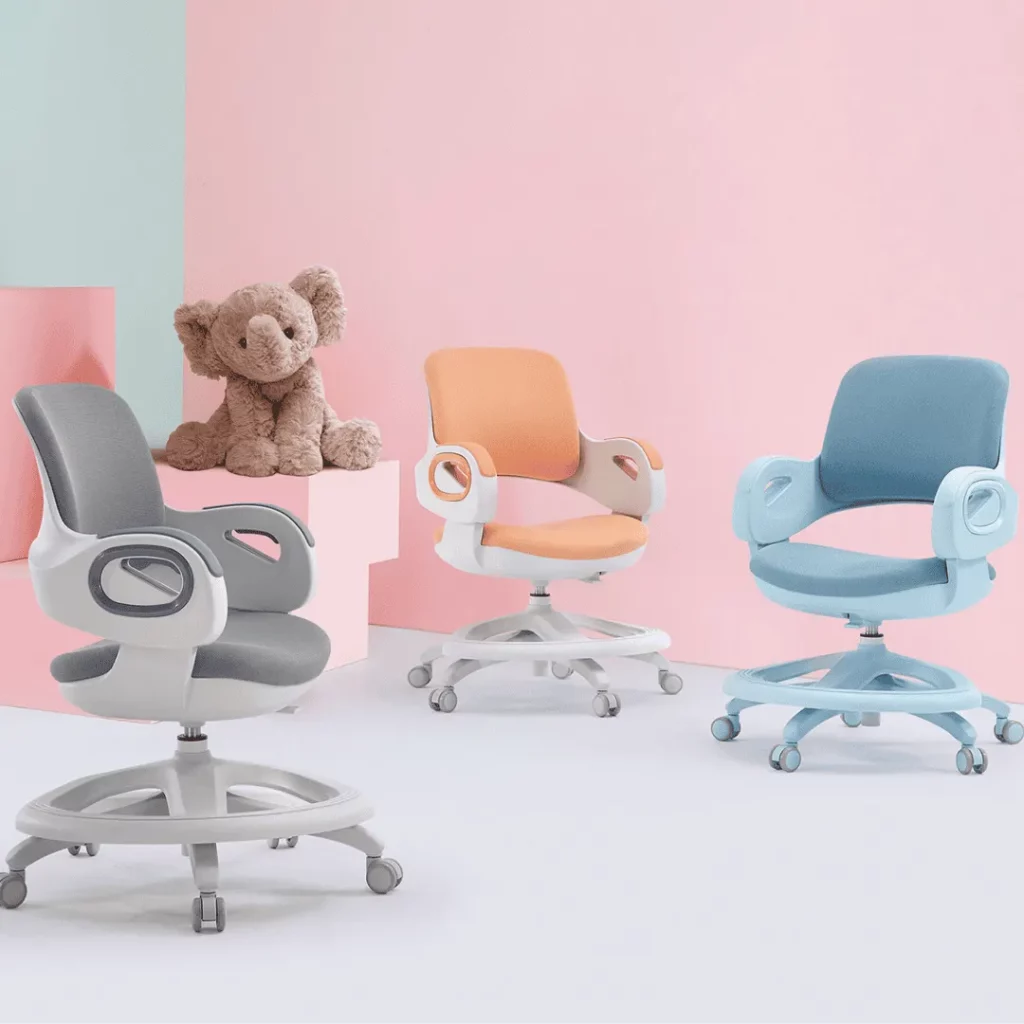
In an era increasingly defined by prolonged periods of sitting – whether for remote work, intensive study, or digital recreation – the importance of ergonomic furniture has transcended mere comfort to become a critical component of long-term health and productivity. The traditional perception of ergonomic chairs as purely functional, often industrial-looking fixtures is rapidly evolving. Today, a new category is gaining prominence: the ergonomic study chair in pastel hues, a design innovation that marries advanced spinal support with calming, aesthetically pleasing color palettes. This trend addresses a pervasive challenge where individuals, particularly students and their parents, frequently compromise essential ergonomic principles for the sake of room aesthetics, inadvertently paving the way for chronic musculoskeletal issues.
The modern academic and professional landscape demands furniture that not only supports the body but also nurtures the mind. A properly designed study chair is more than just a seat; it is an investment in preventing long-term back injuries, mitigating stress, and fostering an environment conducive to sustained focus and learning. Key features such as adjustable lumbar support, breathable cushioning, and customizable height settings are no longer luxuries but necessities. When combined with the psychological benefits of pastel colors – known for their ability to soothe the mind and enhance concentration – these chairs represent a holistic approach to creating optimal study spaces.

The Silent Epidemic of Poor Posture in Modern Life
The shift towards more sedentary lifestyles, exacerbated by the proliferation of digital devices and the rise of remote learning and working models, has brought with it a silent epidemic of poor posture. Orthopedic specialists and physical therapists consistently report an increase in spinal complaints among younger populations, including adolescents and even pre-teens. Conditions such as chronic back pain, neck stiffness, shoulder tension, and even early-onset scoliosis are often directly linked to inadequate seating and prolonged periods in detrimental postures. The human spine, a complex and delicate structure, is subjected to significantly increased pressure when seated, especially without proper support. Studies, including those published by organizations like the Occupational Safety and Health Administration (OSHA) in the US, highlight that sitting incorrectly can place up to twice the load on the lumbar spine compared to standing. This puts immense strain on intervertebral discs and supporting musculature, leading to fatigue and eventual injury.
Many individuals, driven by contemporary interior design trends or budget constraints, opt for aesthetically pleasing but functionally deficient chairs – think minimalist plastic designs or rigid wooden stools. While these may appear "Instagrammable," their lack of proper support can lead to rapid onset fatigue, discomfort, and, critically, long-term spinal damage. This trade-off between visual appeal and physiological well-being is increasingly being recognized as a critical error, prompting a re-evaluation of how study and work environments are furnished. The economic implications are also significant, with musculoskeletal disorders being a leading cause of missed workdays and increased healthcare expenditure globally.

The Evolution of Ergonomic Design and Home Aesthetics
The concept of ergonomics, first gaining traction in industrial design and later in office furniture, has undergone significant transformation since its formal inception in the mid-20th century. Initially focused solely on functionality and productivity in the workplace, ergonomic design principles are now being adapted for domestic settings. The global pandemic of 2020-2021, in particular, accelerated the demand for high-quality, health-conscious home furnishings as houses transformed into multi-functional hubs for living, working, and learning. This created an unprecedented need for solutions that could bridge the gap between office-grade functionality and home-friendly aesthetics.
This surge in demand coincided with a broader trend in interior design favoring softer, more inviting aesthetics. Gone are the days when ergonomic chairs were synonymous with bulky, black, and purely utilitarian designs. Leading furniture manufacturers and interior designers have responded by integrating ergonomic excellence with appealing visual forms. The emergence of pastel colors in this segment is a prime example of this evolution. Pastel hues, often associated with tranquility, youthfulness, and modern minimalism, allow ergonomic chairs to seamlessly blend into or even enhance diverse home aesthetics, from Scandinavian simplicity to Japandi serenity, without compromising on the vital health benefits. This represents a significant shift from the purely utilitarian approach to one that values holistic well-being and integrated design, reflecting a growing consumer awareness of "well-being design."

Why Ergonomics is Non-Negotiable for Spinal Health
At its core, ergonomic design is about optimizing the interaction between people and their environment to maximize comfort and efficiency while minimizing the risk of injury. For a study chair, this translates into specific biomechanical advantages:
- Even Weight Distribution: A well-designed








