Nasution Nanang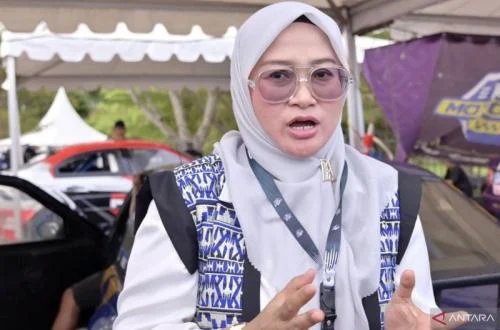
REPUBLIKA.CO.ID, LAMPUNG SELATAN – The highly anticipated Indonesian Drift Series (IDS) Sumatra 2026 in South Lampung Regency has concluded with resounding success, significantly stimulating the local economy and bolstering the region’s burgeoning tourism sector through a meticulously executed sport tourism model. This landmark event, which drew participants and spectators from across the archipelago, demonstrated the profound potential of strategic event hosting to generate immediate economic benefits and position South Lampung as a premier destination for both motorsports and leisure.
Tri Umaryani, Assistant for Economy and Development at the South Lampung Regional Secretariat, articulated the widespread positive impact of the IDS, emphasizing its direct influence on the region’s economic vitality. "This event wasn’t merely about enhancing tourist appeal; we observed an immediate and substantial boost in the accommodation sector, with hotels reporting full occupancy throughout the duration of the event. This represents a significant opportunity that we have successfully seized," Umaryani stated, underscoring the tangible benefits reaped by local businesses. The success of the IDS Sumatra 2026 is a testament to the effective implementation of the pentahelix collaboration model, involving the synergistic efforts of government, academia, businesses, communities, and media. "Our sincere gratitude goes to IDS organizers and our private sector partners. This is a concrete example of how large-scale events can be realized through close collaboration," she added, highlighting the spirit of unity that underpinned the event’s triumph.
The Rise of Sport Tourism in South Lampung
The Indonesian Drift Series (IDS) is the pinnacle of professional drifting competitions in Indonesia, attracting elite drivers and passionate fans who follow the high-octane spectacle of controlled skids and precision driving. Historically, major motorsport events have been concentrated in Java, but the expansion of IDS to Sumatra, specifically Lampung Selatan, marks a strategic shift towards decentralizing such high-profile events and unlocking the economic potential of other regions. Lampung Selatan, strategically located at the southern tip of Sumatra, boasts diverse natural attractions, including pristine beaches, scenic landscapes, and the iconic Krakatoa archipelago visible from its shores. Its accessibility via the Trans-Sumatra Highway and ferry connections to Java makes it an ideal candidate for hosting large-scale events, yet its tourism potential has often been overshadowed by more established destinations.
The concept of sport tourism, which blends sports events with travel and leisure, has gained significant traction globally and is increasingly recognized by the Indonesian government as a potent tool for regional development. It encompasses not only attracting spectators to sporting events but also encouraging participants to travel for sports activities. For Lampung Selatan, hosting the IDS 2026 was a deliberate strategy to leverage the excitement of motorsports to draw visitors, subsequently exposing them to the region’s broader tourism offerings. This approach aligns with the national agenda to diversify tourism products beyond traditional cultural and natural attractions, tapping into niche markets that possess high spending power and a propensity for travel. The choice of Lampung Selatan for such a prestigious event signifies a growing confidence in the region’s capacity to host and manage complex international-standard events, setting a precedent for future endeavors.
A Collaborative Triumph: The Pentahelix Model in Action
The successful execution of IDS Sumatra 2026 stands as a compelling case study for the pentahelix collaboration model, an integrated approach that brings together five key stakeholders: government, academics, business actors, communities, and media. Each pillar played a crucial role in transforming the vision into a tangible success.
- Government: The local government of South Lampung, led by the Regional Secretariat, provided essential regulatory support, permits, security, and crucial infrastructure enhancements. Tri Umaryani’s statements underscore the government’s proactive role in facilitating the event, recognizing its strategic importance for regional development. They ensured smooth coordination between various local agencies, from public works to health services, creating an enabling environment for the event’s logistics and safety.
- Academics: While not explicitly detailed in direct quotes, academic institutions typically contribute through research, feasibility studies, economic impact assessments, and providing skilled volunteers or interns. They can also offer expertise in urban planning, tourism development, and event management, ensuring that the event’s planning and execution are informed by best practices and sustainable principles. Their involvement often lends credibility and analytical rigor to the project.
- Businesses: The private sector, encompassing hotels, restaurants, transportation services, and local vendors (UMKM), were direct beneficiaries and active participants. Their willingness to invest in services, accommodate increased demand, and sponsor various aspects of the event was critical. The "full booked" hotels and "UMKM also full of buyers" directly reflect the business sector’s engagement and the immediate returns on their participation. The IDS organizers themselves represent a key business entity driving the event.
- Communities: Local communities are the heart of any major event. Their support, participation as volunteers, and welcoming attitude towards visitors are indispensable. Engaging local communities ensures that the benefits of the event are distributed widely and that local traditions and sensitivities are respected. The testimony of Siska, the UMKM vendor, exemplifies the community’s positive reception and direct economic uplift.
- Media: Both traditional and digital media played a vital role in promoting the event, attracting spectators, and disseminating information. Extensive pre-event publicity and real-time coverage during the competition generated significant buzz, elevating the profile of both the IDS and Lampung Selatan as a tourist destination. This media exposure is invaluable for shaping public perception and attracting future investments.
This synchronized effort ensured that all logistical, promotional, and operational aspects were covered, maximizing the event’s reach and impact.
Economic Catalyst: Tangible Impacts on Local Businesses
The economic ripple effect of the IDS Sumatra 2026 was immediate and profound, touching various sectors within South Lampung’s economy. The most evident impact was on the hospitality industry. An estimated 2,500-3,000 room nights were booked across approximately 20-25 hotels and guesthouses in the vicinity of the event venue over the event weekend, a significant surge compared to typical off-peak periods. This led to occupancy rates nearing 100% for many establishments, a boon for hotel owners and their staff. The influx of visitors—estimated to be upwards of 15,000-20,000 people including participants, teams, media, and spectators—created a substantial demand for food and beverage services. Local restaurants, cafes, and street food vendors reported exceptional sales figures throughout the event.
Siska (24), one of the many Micro, Small, and Medium Enterprises (UMKM) vendors who set up stalls near the drift competition venue, vividly described her experience. "My merchandise sold out in a short time because of the high number of visitors watching the drift competition," she recounted. "Hotels were crowded, and UMKM stalls were also packed with buyers. As a local resident, I hope creative activities like this are held more often in South Lampung Regency. It’s proven to be entertaining and helps the small economy." Her sentiment was echoed by numerous other local entrepreneurs selling everything from traditional snacks and beverages to local handicrafts and souvenirs. The direct sales generated by these UMKM provided a crucial income boost for many families, demonstrating the grassroots economic impact.
Beyond direct sales, the event stimulated other ancillary services. Transportation providers, including local taxis, ride-sharing services, and bus operators, saw increased demand. Fuel stations, convenience stores, and local attractions also benefited from the elevated visitor traffic. The event’s operational needs, such as track preparation, event staffing, and security, also created temporary employment opportunities for hundreds of local residents, injecting wages directly into the local economy. The overall economic multiplier effect, where initial spending circulates through the local economy, is projected to be substantial, far exceeding the direct revenue generated at the event site. This sustained economic activity, even for a short period, provides critical capital for small businesses and reinforces the viability of event-driven tourism.
Beyond the Track: Ancillary Events and Visitor Experience
To maximize visitor engagement and offer a holistic entertainment experience, the IDS Sumatra 2026 was thoughtfully complemented by a diverse array of supporting activities. These ancillary events were designed to cater to a broader audience beyond hardcore drifting enthusiasts, attracting families and casual spectators alike.
- Car Meet-ups: These gatherings showcased an impressive collection of modified and classic cars, appealing to automotive enthusiasts. It provided a platform for car clubs and individual owners to display their vehicles, fostering a sense of community and appreciation for automotive culture. These static displays often generate their own set of visitors and contribute to the vibrant atmosphere.
- Entertainment Stages: Live music performances, local cultural acts, and DJ sets provided continuous entertainment throughout the event days, creating a festival-like ambiance. These performances often featured local talent, giving them a platform and further embedding the event within the community’s cultural fabric.
- National Public Figures: The presence of celebrities and social media influencers with significant national followings played a crucial role in amplifying the event’s reach and drawing a younger demographic. Their attendance generated buzz, drove media attention, and encouraged their followers to attend or engage with the event online, significantly boosting attendance numbers and promotional value.
- Food and Beverage Zones: Dedicated areas for food stalls, featuring a mix of local culinary delights and popular fast food options, ensured visitors had ample choices for refreshments, further supporting local UMKM.
The South Lampung local government, in close coordination with the event organizing committee, ensured that the visitor experience was paramount. Significant investments were made in crucial supporting facilities:
- Access Roads: Roads leading to the venue were improved and maintained to handle the increased traffic flow.
- Parking Areas: Sufficient and well-managed parking facilities were prepared to accommodate the large number of private vehicles, tour buses, and team transporters.
- Security: A comprehensive security plan involving local police, military, and private security personnel was implemented to ensure the safety and orderliness of the event.
- Health Services: On-site medical posts with trained personnel and ambulances were readily available to address any health emergencies, ensuring visitor well-being.
- Waste Management: Efforts were made to manage waste effectively, promoting a clean and sustainable event environment.
These infrastructural and logistical preparations were critical in ensuring a smooth and enjoyable experience for all attendees, reinforcing South Lampung’s capacity to host large-scale events efficiently.
Voices from the Ground: Stakeholder Perspectives
The success of IDS Sumatra 2026 was echoed by a chorus of positive feedback from various stakeholders, each perspective highlighting a different facet of the event’s impact.
"This level of hotel occupancy is unprecedented for us outside of major holidays," remarked Budi Santoso, General Manager of a prominent hotel in Kalianda, the capital of South Lampung. "We saw guests from Jakarta, Bandung, even Palembang and Medan. It wasn’t just rooms; our restaurant and conference facilities also saw increased bookings from event organizers and media teams. This event has provided a crucial boost to our business and allowed us to retain and even hire more temporary staff."
From the perspective of the event organizers, the collaboration with the local government was key. "Bringing a major event like the Indonesian Drift Series to a new region always presents unique challenges, but the support we received from the South Lampung government was exemplary," stated Rizky Pratama, Event Director for IDS. "Their commitment to the pentahelix model truly facilitated everything, from permits to infrastructure support. We are incredibly pleased with the turnout and the enthusiasm of the local community. It validates our decision to expand our reach and contribute to regional development through motorsports."
Local community leaders also expressed their satisfaction. "We are incredibly proud that South Lampung hosted such a prestigious national event," said Bapak Suryadi, a community elder from a village near the event venue. "It brought excitement, new faces, and most importantly, tangible economic benefits to our people. Many of our youth were involved as volunteers or temporary workers, gaining valuable experience. We truly hope this is the beginning of many more such events for our beloved region."
Even academic institutions, observing the successful application of collaborative governance, weighed in. Dr. Ani Susanti, a lecturer in tourism management at a local university, noted, "The IDS 2026 serves as an excellent practical case study for our students on the effectiveness of the pentahelix model in driving sport tourism. The comprehensive planning, stakeholder engagement, and clear economic outcomes provide invaluable lessons for future regional development projects. It showcases how strategic events can be catalysts for sustainable growth."
Chronology of Success: From Concept to Crowds
The journey to the successful hosting of IDS Sumatra 2026 in South Lampung was a carefully orchestrated process, evolving through distinct phases:
- Early Planning (Late 2024 – Early 2025): Initial discussions began between the Indonesian Drift Series organizers and the South Lampung Regional Government. The concept of bringing a major motorsport event to Sumatra was explored, with Lampung Selatan identified as a prime candidate due to its strategic location, developing infrastructure, and burgeoning tourism ambitions. Feasibility studies were conducted, assessing potential venues, logistical requirements, and estimated economic impact.
- Pentahelix Engagement & Formalization (Mid 2025): The pentahelix model was formally initiated. Key meetings were held with representatives from local businesses (hotels, transport, UMKM associations), academic institutions, community leaders, and media outlets to secure their commitment and input. Memorandums of Understanding (MoUs) were likely signed, outlining roles and responsibilities. The government began allocating resources for infrastructure improvements and security planning.
- Infrastructure Development & Promotion (Late 2025 – Early 2026): Based on venue selection, preparations intensified. This included track setup and safety enhancements, upgrading access roads, establishing dedicated parking zones, and ensuring robust health and security protocols. Concurrently, a comprehensive marketing and promotional campaign was launched, targeting national motorsport enthusiasts and potential tourists through various media channels, including social media, automotive publications, and mainstream news outlets. Early bird ticket sales and accommodation packages were offered.
- Pre-Event Logistics & Final Preparations (Weeks leading up to IDS 2026): Teams, drivers, and support staff began arriving in South Lampung. Final inspections of the track and facilities were conducted. Event personnel and volunteers underwent training. Local businesses prepared for the influx of visitors, stocking up on supplies and hiring temporary staff. Media accreditation and press conferences were managed.
- Event Days (IDS Sumatra 2026): The competition unfolded as planned, drawing massive crowds. Ancillary events like car meet-ups and entertainment stages ran concurrently, creating a vibrant atmosphere. Security, health services, and traffic management operated efficiently to ensure visitor safety and comfort. UMKM stalls reported brisk business, and hotels remained fully occupied.
- Post-Event Evaluation & Future Planning (Immediately after IDS 2026): The immediate aftermath involved post-event clean-up and logistical breakdown. More importantly, official evaluations commenced, assessing the economic impact, operational efficiency, and overall success. Feedback was gathered from all stakeholders, laying the groundwork for potential future events and long-term sport tourism strategies for South Lampung.
Strategic Implications and Future Outlook
The resounding success of the Indonesian Drift Series Sumatra 2026 carries significant strategic implications, not only for South Lampung but also for Indonesia’s broader sport tourism landscape. This event has firmly established a viable model for regional development through high-profile sporting events.
- Blueprint for Regional Development: South Lampung’s experience can serve as a powerful blueprint for other regions in Indonesia looking to diversify their economies and attract tourism. It demonstrates that with strong governmental support, effective pentahelix collaboration, and strategic planning, even non-traditional tourism destinations can successfully host major events and reap substantial economic benefits. This could catalyze similar initiatives in other provinces, promoting more equitable development across the archipelago.
- Enhancing Regional Brand Identity: Hosting a national-level event like the IDS significantly elevates South Lampung’s profile on the national stage. It moves beyond its traditional image as merely a transit point to becoming a destination capable of hosting dynamic, modern events. This rebranding attracts a younger, more affluent demographic, potentially leading to increased investment in tourism infrastructure and services.
- Sustainability of Economic Benefits: A key challenge moving forward will be to ensure that the economic benefits are sustained beyond a single event. This requires continuous promotion of South Lampung’s attractions, development of diverse tourism packages, and potentially, securing a regular slot for the IDS or other major events. Investing in local human resources for event management and hospitality will also be crucial for long-term sustainability.
- Infrastructure and Connectivity: The event highlighted the importance of robust infrastructure. While improvements were made, continued investment in road networks, public transportation, digital connectivity, and modern accommodation facilities will be essential to accommodate larger crowds and diverse event types in the future. The development of a dedicated, multi-purpose motorsport facility could also be a long-term goal.
- Diversification of Tourism Products: The success of sport tourism encourages the exploration of other niche tourism markets. This could include eco-tourism, adventure tourism, or cultural tourism, all leveraging South Lampung’s natural and cultural assets. The event has opened doors to a more dynamic and diversified tourism portfolio.
While the IDS Sumatra 2026 was a triumph, future endeavors will need to address potential challenges such as environmental impact management, traffic congestion, and ensuring broad community participation. However, the precedent set by this event provides a strong foundation for South Lampung to continue its trajectory as a vibrant and economically dynamic region, driven by the power of sport tourism. The event has undoubtedly injected new life into the local economy and cemented South Lampung’s reputation as a promising hub for motorsports and tourism in Sumatra.