Nasution Nanang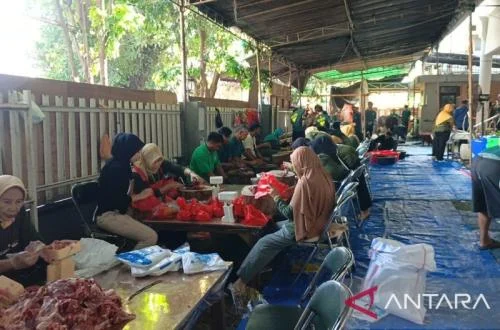
Masjid At-Taqwa, nestled in the bustling Kemanggisan area of Palmerah, West Jakarta, successfully distributed approximately 1,500 packages of sacrificial meat to local communities and surrounding areas following this year’s Idul Adha celebrations. The extensive charitable endeavor, which took place on a recent Wednesday, was the culmination of meticulous planning and significant community participation, underscoring the enduring spirit of giving intrinsic to the Islamic festival. The generous distribution was made possible through the sacrifice of 16 cows and 26 goats, meticulously prepared and packaged by the mosque’s dedicated internal committee.
The Sacred Tradition of Idul Adha and Qurban
Idul Adha, often referred to as the "Festival of Sacrifice," is one of the two major Islamic holidays celebrated globally. It commemorates Prophet Ibrahim’s (Abraham’s) unwavering faith and obedience to God, demonstrated by his willingness to sacrifice his son, Ismail, before divine intervention provided a ram as a substitute. This profound historical event forms the spiritual cornerstone of the Qurban (or Udhiyah) ritual, an act of worship highly encouraged for Muslims who possess the financial means. The ritual involves the sacrifice of specific livestock animals—cows, goats, sheep, or camels—and the subsequent distribution of their meat.
Beyond its theological significance, the Qurban tradition carries immense social and economic implications. It serves as a powerful mechanism for wealth redistribution, ensuring that even the most vulnerable members of society receive nutritious protein, often a luxury for many impoverished families. The meat is typically divided into three portions: one for the donor and their family, one for relatives and friends, and one for the poor and needy. This practice fosters community solidarity, strengthens social bonds, and embodies the Islamic principles of compassion, empathy, and collective responsibility. In populous nations like Indonesia, where a significant portion of the population lives below the poverty line, the annual Qurban distribution plays a crucial role in alleviating temporary food insecurity and providing festive cheer.
Meticulous Planning and Broad Community Engagement
The successful execution of such a large-scale distribution at Masjid At-Taqwa was the result of months of careful planning and coordination by the mosque’s Qurban Committee. Syarifuddin Yahya, the esteemed head of the committee, highlighted the intricate logistical framework put in place to ensure both efficiency and equity. "Our primary goal is to ensure that the sacred meat reaches those who are most deserving and in need," Syarifuddin stated. "To achieve this, we implemented a zonasi, or ring-based, distribution system, starting from Ring 1, encompassing the immediate vicinity of the mosque, and extending outwards to Ring 3, which includes areas like Tanjung Duren. This systematic approach minimizes chaos, prevents duplication, and maximizes the reach of our efforts."
The procurement of the sacrificial animals itself is a complex process, involving selection based on age, health, and adherence to Islamic guidelines. The committee worked diligently to source 16 cows and 26 goats, ensuring they met the stringent requirements for Qurban. A significant portion of these animals came from contributions made by various majelis taklim (Islamic study groups) affiliated with the mosque and the wider community. Syarifuddin emphasized the vital role of these groups, noting, "This year, we saw participation from over 10 majelis taklim, whose collective contributions significantly bolstered our capacity to serve the community. Their unwavering commitment and generosity are truly the backbone of this annual initiative." The collective spirit of giving, from individual donors to organized religious groups, transforms the Idul Adha celebration into a powerful demonstration of faith and communal support.
Official Oversight and Public Health Standards
The importance of public health and hygiene in the handling and distribution of Qurban meat cannot be overstated. Recognizing this, the DKI Jakarta Provincial Government maintains a vigilant oversight role, with various agencies ensuring compliance with national and religious standards. Hasudungan A Sidabalok, the Head of the DKI Jakarta Food Security, Maritime, and Agriculture Agency (KPKP), made a point to personally inspect the slaughtering process at Masjid At-Taqwa. His presence underscored the government’s commitment to public safety and adherence to best practices.
During his visit, Sidabalok issued a crucial reminder to the organizing committee and all involved personnel: "It is imperative that the entire process, from slaughter to packaging, adheres strictly to both the tenets of Islamic sharia and contemporary health and hygiene standards." He elaborated on the critical importance of proper sanitation at the slaughtering site, emphasizing that "the quality of the meat is directly influenced by the conditions and methods employed during the slaughtering process. Therefore, all facilities and procedures must follow the directives issued by KPKP officers." These directives typically include guidelines on ensuring clean slaughtering tools, hygienic handling of carcasses, proper evisceration, and maintaining appropriate temperatures to prevent spoilage and bacterial contamination. Sidabalok expressed his optimism that "the Qurban meat, processed with such care and diligence, will be utilized effectively and beneficially by all eligible members of the community." The collaboration between religious institutions and government bodies like KPKP is crucial in upholding public trust and ensuring that charitable acts contribute positively to overall community well-being.
Operational Logistics and Volunteer Dedication
The journey from live animal to packaged meat is an intensive logistical undertaking. On the day of sacrifice, following the congregational Idul Adha prayers, the process commenced with the ritual slaughter of the animals. This sensitive operation requires skilled personnel who understand both the religious requirements for halal slaughter and the practical aspects of animal welfare and meat processing. Volunteers, often numbering in the hundreds for large mosques, play an indispensable role. They assist with skinning, butchering, portioning, and packaging the meat. The sheer volume of 16 cows and 26 goats translates into several tons of meat that must be processed swiftly and hygienically.
For the 1,500 packages distributed by Masjid At-Taqwa, this implies each package contained a substantial portion of meat, likely exceeding one kilogram, ensuring a meaningful contribution to the recipients’ diets. The committee’s foresight in implementing the "zonasi" system was particularly effective in managing the distribution phase. This system typically involves pre-registration of beneficiaries from different zones, providing them with vouchers or specific collection times. This approach prevents overcrowding, maintains order, and ensures that the distribution process is dignified and respectful for all recipients. Volunteers were strategically deployed at various collection points within each ring, verifying eligibility and handing out packages. The seamless execution of this intricate process speaks volumes about the dedication and organizational capabilities of the Masjid At-Taqwa committee and its volunteers.
Impact on Beneficiaries and Community Empowerment
For many recipients, the Qurban meat is more than just a meal; it is a symbol of hope and community solidarity. In areas like Palmerah and Tanjung Duren, where socio-economic disparities persist, a package of fresh meat can significantly supplement a family’s diet, providing essential protein and nutrients that might otherwise be unaffordable. This annual tradition offers a tangible form of relief, especially during festive periods when financial pressures can be particularly acute.
A hypothetical beneficiary, Ibu Siti, a mother of three from a nearby residential complex, might express her gratitude: "We are always so thankful for the mosque’s generosity during Idul Adha. This meat allows us to have a special meal, something we don’t get very often. It feels good to know that the community cares for us." Such sentiments are common and underscore the profound human impact of these distributions. Beyond the immediate nutritional benefits, the act of receiving Qurban meat fosters a sense of belonging and reminds individuals that they are not forgotten by their community. It reinforces the idea that religious institutions serve not only as places of worship but also as vital hubs for social welfare and humanitarian aid.
Broader Societal and Economic Implications
The annual Qurban tradition, exemplified by Masjid At-Taqwa’s efforts, has far-reaching societal and economic implications. On a macro level, it contributes significantly to national food security, particularly for low-income segments of the population. Across Indonesia, millions of animals are sacrificed annually, injecting tons of protein into communities nationwide. This collective effort, facilitated by thousands of mosques and Islamic organizations, serves as a crucial safety net.
Economically, the Qurban season provides a substantial boost to the livestock industry. Farmers, often from rural areas, rely on the increased demand for animals leading up to Idul Adha. This seasonal economic activity supports livelihoods, stimulates local economies, and ensures the continued viability of traditional farming practices. Furthermore, the meticulous management of waste generated from the slaughtering process is increasingly becoming a focus. Mosques and local authorities are working to implement more sustainable practices, such as proper disposal of animal by-products and composting, to minimize environmental impact.
The role of mosques in contemporary Indonesian society extends far beyond spiritual guidance. They act as community centers, facilitating education, social programs, and charitable initiatives. Masjid At-Taqwa’s Qurban distribution is a prime example of this expanded role, demonstrating how religious institutions can effectively mobilize resources and volunteers to address pressing social needs and foster a more equitable and compassionate society. The continued success and growth of such initiatives reflect the enduring strength of faith-based charity and its profound positive impact on the fabric of Indonesian communities.