Azin Asro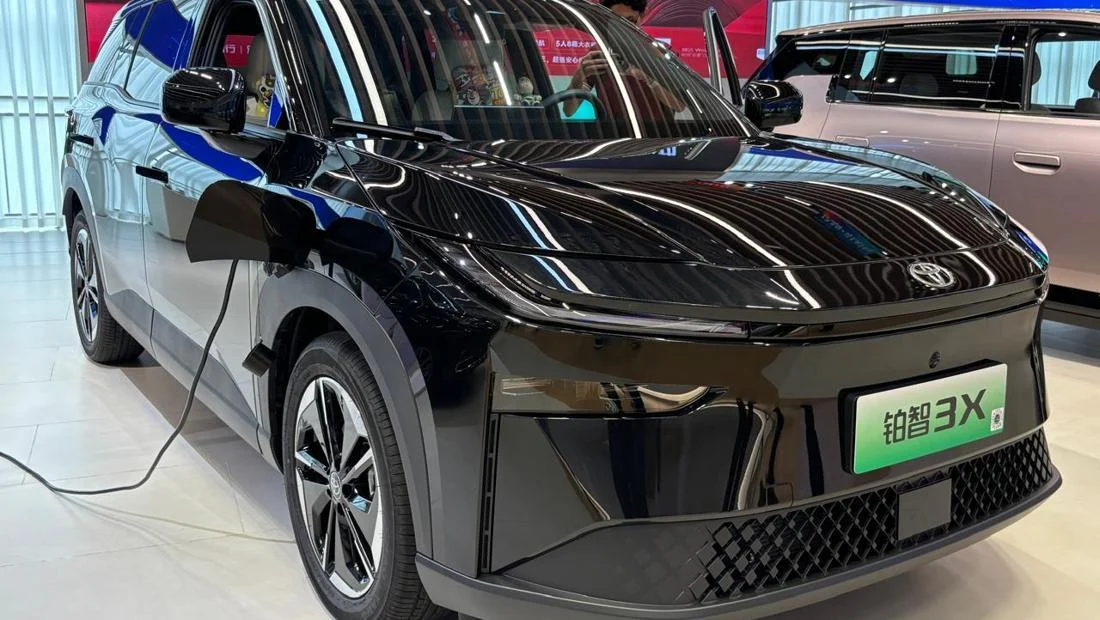
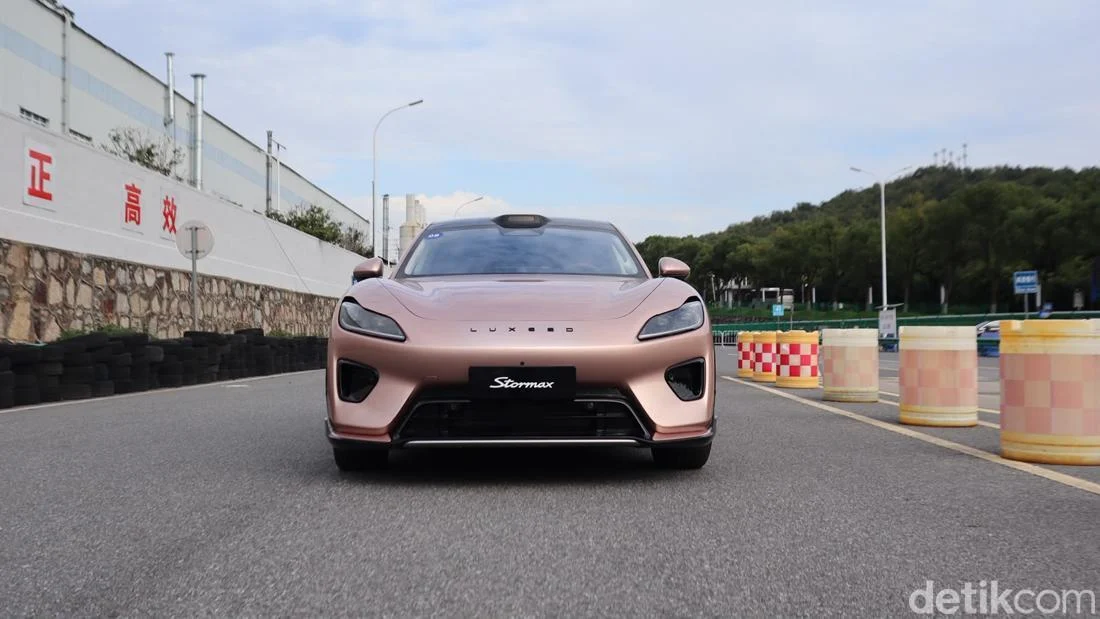
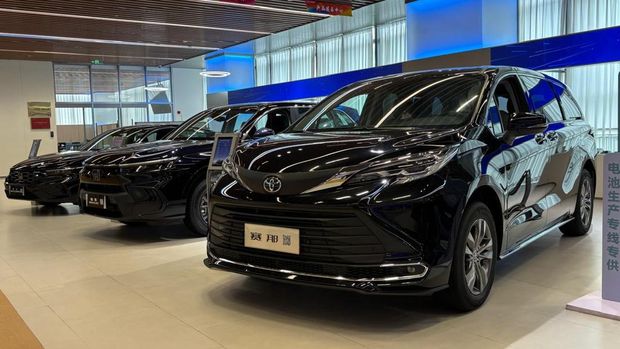
The GAC Technology Museum in Guangzhou, China, serves as a high-tech testament to the evolving landscape of the global automotive industry, where the lines between traditional legacy manufacturers and emerging Chinese powerhouses are increasingly blurred. Visitors to the facility are often met with a surprising sight: the prominent display of Toyota and Honda vehicles within a museum owned and operated by the GAC Group. This inclusion is not a mere nod to competitors but a physical representation of the deep-seated strategic partnerships that have defined the Chinese automotive market for decades. While the museum highlights GAC AION’s latest achievements in electrification and smart mobility, the presence of Japanese marques underscores the collaborative "Joint Venture" (JV) model that has allowed GAC to absorb global manufacturing standards while providing Japanese giants with the local expertise and platforms necessary to navigate the world’s largest car market.
The Convergence of Japanese Engineering and Chinese Innovation
The relationship between GAC Group and Japanese automakers like Toyota and Honda is foundational to the industrial fabric of Guangzhou. Every Toyota and Honda vehicle manufactured for the domestic Chinese market is the result of these long-standing partnerships, specifically GAC Toyota and GAC Honda. This synergy is so integrated that vehicles bearing the iconic Japanese badges are frequently seen on Chinese roads with "Trumpchi" or "GAC" insignias alongside the original branding, signifying their origin from GAC’s massive production hubs.
Iqbal Taufiqurrahman, Product Planning and Strategy lead for GAC Indonesia, noted during a recent visit to the museum that while these vehicles may share a roof during assembly, the underlying intellectual property is a complex tapestry of shared and proprietary technology. The museum serves to clarify this distinction, showing how GAC has transitioned from a manufacturing partner to a technology leader in its own right. The collaborative nature of these ventures means that while a Toyota Camry or a Honda Accord maintains its original Japanese-engineered platform, newer electric models are beginning to lean heavily on GAC’s homegrown innovations.
The Mechanics of Joint Ventures: Sharing Platforms and Proprietary Systems
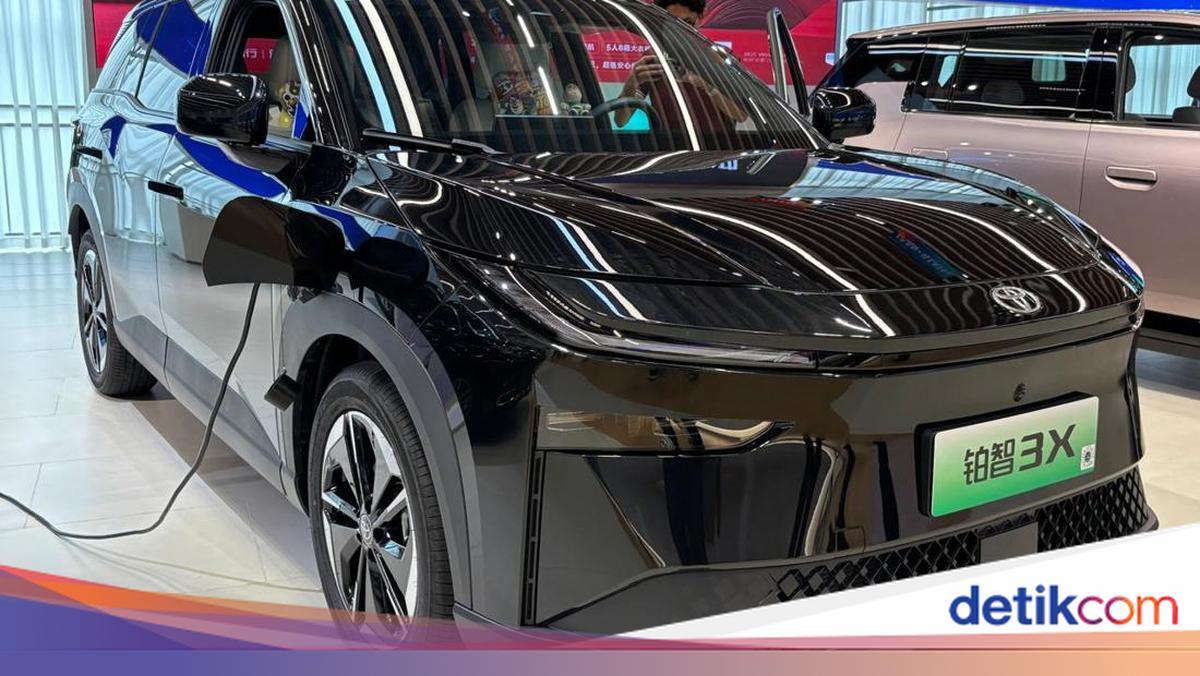
A primary example of this technological crossover is the Toyota bZ3X. In the Chinese market, the bZ3X is built upon the same platform as the GAC AION V. This strategic sharing of architecture allows Toyota to bring competitive electric vehicles (EVs) to market faster by utilizing GAC’s advanced EV-dedicated platforms. According to Taufiqurrahman, when a vehicle utilizes a GAC platform, it adopts GAC’s technological ecosystem, including battery and software integration. Conversely, legacy internal combustion engine (ICE) models like the Toyota Camry or Honda Accord continue to utilize the proprietary platforms developed in Japan.
This dual-track strategy ensures that while the "soul" of the brand remains distinct, the "hardware" can be optimized based on regional strengths. GAC’s own systems, such as their Magazine Battery technology, are sometimes exclusive to GAC-branded models, but the cross-pollination of engineering talent and supply chain logistics ensures that both parties benefit from economies of scale. The museum highlights this by showcasing the technical blueprints that differentiate a GAC-developed EV platform from a traditional hybrid platform used by Toyota.
Magazine Battery Technology: A Leap Forward in EV Safety
One of the most significant sections of the GAC Technology Museum is dedicated to the "Magazine Battery" technology, a proprietary innovation designed to address the primary concern of EV consumers: battery safety and thermal runaway. The Magazine Battery is not merely a single component but a comprehensive safety system that includes heat-resistant structures, an advanced liquid cooling system, and a sophisticated Battery Management System (BMS) that provides real-time monitoring of every cell.
The evolution of this technology has moved into its second generation, Magazine Battery 2.0. This iteration introduces even higher standards of safety, featuring enhanced material stability and a multi-layered cooling system. Perhaps most impressively, it includes a "self-fire-extinguishing" feature. This technology is designed to detect the onset of thermal runaway—the chain reaction that leads to battery fires—and deploy internal countermeasures to neutralize the threat before it escalates. For GAC, this technology is a cornerstone of their competitive advantage as they look to export their AION brand to international markets, including Indonesia and Europe.
The ADiGO Ecosystem: Redefining the Intelligent Driving Experience
Beyond hardware, GAC is heavily invested in the software-defined vehicle (SDV) revolution. The museum showcases the ADiGO (AI Driving Intelligent System), an integrated ecosystem that combines autonomous driving, an intelligent cockpit, and sophisticated data processing. The ADiGO PILOT sub-system is particularly noteworthy, as it powers GAC’s foray into autonomous mobility, including its Robotaxi fleet.
The system features high-level autonomous driving capabilities, such as Intelligent Parking (AVP & HPA), which allows vehicles to navigate complex parking structures and find spots without human intervention. By integrating machine vision with high-definition mapping and Lidar sensors, GAC aims to provide a driving experience that is not only safer but significantly more convenient. This focus on "intelligence" is what GAC believes will differentiate its products from both traditional legacy brands and other emerging EV competitors.
Manufacturing Prowess: From Trumpchi to AION
The narrative of the GAC Technology Museum extends into the actual production lines at the GAC Trumpchi and GAC AION factories. The Trumpchi facility is a marvel of integrated manufacturing, focusing on ICE, Hybrid Electric Vehicles (HEV), and Plug-in Hybrid Electric Vehicles (PHEV). The production process is characterized by a high degree of automation, particularly in the stamping and welding lines. These lines utilize machine vision and adaptive systems to ensure that every weld and fold meets sub-millimeter precision standards.
In contrast, the GAC AION Factory is a dedicated "smart factory" for pure electric vehicles. Here, the focus shifts toward battery assembly and the integration of next-generation power sources. During the facility tour, GAC showcased its research into solid-state batteries. Unlike traditional lithium-ion batteries that use liquid electrolytes, solid-state batteries offer significantly higher energy density and inherent fire safety. GAC’s commitment to this technology suggests a roadmap where EVs could eventually offer ranges exceeding 1,000 kilometers on a single charge while being virtually immune to thermal incidents.
Chronology of GAC’s Strategic Evolution
To understand the current state of the GAC Technology Museum, one must look at the timeline of GAC’s growth:
- 1997: The establishment of Guangzhou Automobile Group Co., Ltd.
- 1998: The formation of the GAC Honda joint venture, marking a major milestone in Sino-Japanese automotive cooperation.
- 2004: The establishment of GAC Toyota, further solidifying Guangzhou as an automotive hub.
- 2010: The launch of the "Trumpchi" brand, GAC’s first major move into proprietary passenger vehicles.
- 2017: The founding of GAC New Energy (now GAC AION), focusing exclusively on electric mobility.
- 2021: The introduction of the Magazine Battery, setting a new industry standard for EV safety.
- 2023-2024: Global expansion initiatives, including the "In Local, For Local" strategy and the entry into the Indonesian market.
Broader Impact and Global Implications
The display of Toyota and Honda vehicles in a Chinese technology museum is more than a curiosity; it is a signal of the shifting power dynamics in the global auto industry. For decades, Western and Japanese brands held the technological high ground. However, the transition to electrification has allowed Chinese firms like GAC to leapfrog traditional barriers to entry. By mastering battery chemistry and software integration, GAC has become an indispensable partner for the very companies it once learned from.
This shift has profound implications for global markets. As GAC expands into Southeast Asia, particularly Indonesia, it brings with it an ecosystem that is already proven at scale in the world’s most competitive EV market. The "In Local, For Local" strategy mentioned by GAC executives suggests that the company does not just want to export cars; it wants to export its entire manufacturing and technological ecosystem. This includes localized production, supply chain development, and the implementation of smart charging infrastructure.
Analysis: The Future of the GAC-Japanese Partnership
While the current relationship is symbiotic, it also presents a challenge for Japanese automakers. Toyota and Honda must balance their reliance on GAC’s EV platforms in China with their own global R&D efforts. For GAC, the museum is a declaration of independence. By showcasing that they can build a better "brain" (ADiGO) and a safer "heart" (Magazine Battery) for a car, GAC is positioning itself as a peer to the global elite rather than just a local manufacturing arm.
The insights gained from the GAC Technology Museum suggest that the future of the automotive industry will not be defined by who can build the best engine, but by who can most effectively integrate energy storage with artificial intelligence. Through its joint ventures, GAC has mastered the art of the automobile; through its own R&D, it is now attempting to master the future of mobility. As Taufiqurrahman concluded, ensuring these technologies are relevant to markets like Indonesia is the next frontier, marking the beginning of a new chapter where Chinese innovation becomes a global standard.