
 Lina Irawan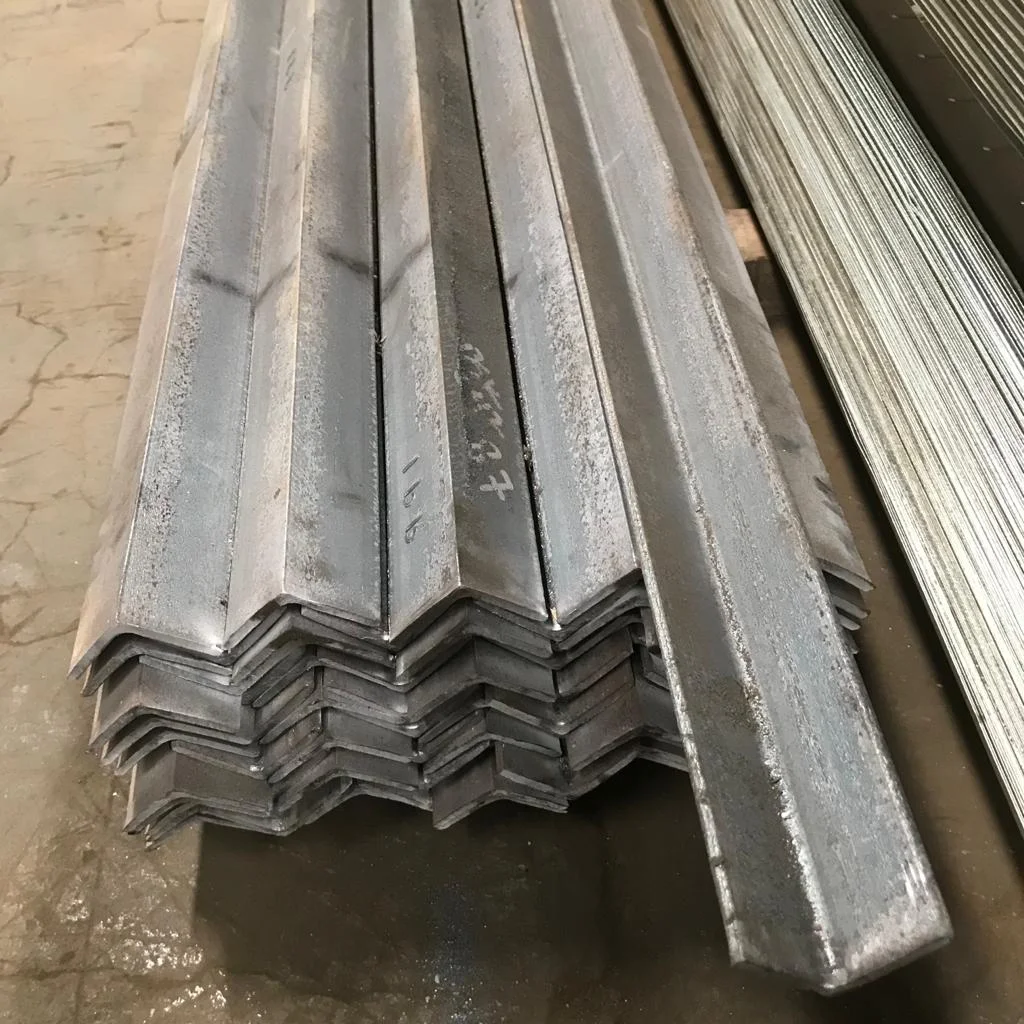
InteriorDesign.ID – Angle iron serves as a critical structural component in stair construction, providing essential support to prevent treads from deforming or failing under load. This versatile material is typically installed along the left and right edges of each tread, or integrated into a full frame beneath materials such as wood, chequered plate, or concrete. The selection of appropriate dimensions and thickness is paramount to the overall strength and safety of the stair structure. Contractors, welding workshops, and homeowners must possess a thorough understanding of these technical specifications to avert potential structural failures. This comprehensive guide delves into the specific dimensions, load calculation methodologies, and standardized installation practices for angle iron as a foundational support for stair treads.
The robust construction of stairs is not merely an aesthetic consideration but a fundamental safety requirement in any built environment. Structural integrity prevents catastrophic failures, reduces the risk of accidents, and ensures the longevity of the installation. In this context, the humble angle iron emerges as an indispensable element, bridging the gap between raw materials and a safe, durable staircase. Its application is not arbitrary but dictated by sound engineering principles and industry best practices, making an informed approach crucial for anyone involved in stair design or construction.
The Foundational Role of Angle Iron in Stair Design
Angle iron, characterized by its L-shaped profile with a 90-degree bend, is uniquely suited to resist bending forces from multiple directions. Its vertical flange adeptly counteracts downward loads, while the horizontal flange provides a stable, flat bearing surface for the tread material. This inherent geometry grants angle iron superior rigidity compared to flat plates, significantly reducing vibration and flex under foot traffic. For fabrication professionals, the material’s straightforward form factor translates into efficient cutting, welding, and drilling processes on-site, contributing to faster project turnaround times and cost efficiencies. The widespread availability and relative affordability of angle iron further cement its position as a preferred choice for stair tread supports across various construction scales.
Historically, stair construction has evolved from rudimentary stone or timber steps to sophisticated engineered structures utilizing advanced materials. The advent of steel in construction revolutionized stair design, offering unprecedented strength-to-weight ratios and design flexibility. Angle iron, a foundational steel profile, quickly became a staple due to its excellent structural properties and ease of integration. Its consistent performance across diverse applications, from residential homes to demanding industrial complexes, underscores its enduring value in modern building practices.

Adherence to Standard Specifications: A Cornerstone of Safety
Standard stair treads are engineered to withstand concentrated loads typically ranging from 150 to 200 kilograms per point. The selection of angle iron dimensions available in the market must therefore be meticulously matched to the actual anticipated load the staircase will experience throughout its service life. This requires a careful assessment of the stair’s intended use, whether it’s for a private residence with moderate traffic or a high-traffic commercial or industrial setting subject to heavier and more frequent loading.
-
Wing Dimensions for Optimal Support:
Welding workshops commonly specify 40×40 mm angle iron for residential staircases. However, for emergency exits, commercial properties, and industrial facilities, a minimum size of 50×50 mm is strongly recommended. A wider flange offers several distinct advantages: it significantly increases the bearing area for screws or bolts, thereby distributing stress more effectively and minimizing the risk of the tread material, such as wooden planks, cracking at the edges. Moreover, a larger surface area facilitates stronger weld connections, crucial for shear resistance and overall structural stability. International building codes, such as the International Building Code (IBC) in the United States or Eurocodes in Europe, often stipulate minimum live loads for stairs that necessitate robust support structures. For instance, residential stairs might be designed for a live load of 4.8 kN/m² (approximately 490 kg/m²), while commercial or public stairs could require design for 7.2 kN/m² (approximately 730 kg/m²) or higher, demanding larger and stronger angle iron profiles. -
Material Thickness for Enhanced Durability and Vibration Control:
Inadequate plate thickness is a primary cause of stair vibration, which not only creates an unsettling experience for users but can also accelerate material fatigue. A minimum thickness of 3 mm is marginally acceptable for very short spans and light loads. However, employing 4 mm to 5 mm thick angle iron is highly advisable. The increased mass of thicker material effectively dampens vibrations, leading to a more solid and comfortable feel underfoot. Furthermore, greater thickness ensures better weld penetration, resulting in stronger, more reliable connections. For industrial environments where heavy loads or frequent heavy foot traffic is expected, thicknesses of 5 mm or more are standard practice to guarantee structural resilience and long-term performance. -
Addressing the Peril of Non-Standard Materials:
The Indonesian steel market, like many others globally, contends with the distinction between "full" and "banci" (under-spec) steel. "Full" steel accurately matches its labeled thickness when measured with precision instruments like digital calipers. Conversely, "banci" steel falls short of its stated dimensions; for example, a product labeled 4 mm might measure only 3.2 mm in actual thickness. This seemingly minor reduction in dimension has a direct and detrimental impact on the staircase’s load-bearing capacity. Such material discrepancies can lead to premature deflection, structural fatigue, and ultimately, failure, posing significant safety risks.To mitigate this pervasive issue, suppliers are obligated to provide SNI (Indonesian National Standard) compliant "full" steel materials. Equally important, fabrication workers must diligently cross-check the material’s actual thickness using digital calipers or micrometers at the project site. This critical quality control step ensures that the fabricated structure meets its intended design specifications and safeguards against the hidden dangers of substandard materials. The implications of using "banci" steel extend beyond immediate structural concerns, potentially leading to legal liabilities for contractors and a damaged reputation for all parties involved.

Understanding Load Distribution and Deflection Limits
Stair treads function structurally akin to short-span bridges, experiencing concentrated loads that induce tensile stress on the underside and compressive stress on the upper surface of the material. Inadequate support dimensions will inevitably lead to deflection, or sagging, a critical structural concern. The permissible deflection limit for stair treads is calculated as the total span (L) divided by 360 (L/360). For a stair tread with a width of 90 cm (900 mm), the maximum allowable deflection is approximately 2.5 mm (900 mm / 360).
Exceeding this deflection limit can compromise user comfort, create an unsettling "bouncy" sensation, and potentially lead to long-term structural issues such as material fatigue or cracking in rigid tread materials like concrete. Building codes often specify stricter deflection limits for elements subjected to live loads, recognizing the importance of serviceability and user perception in addition to ultimate strength. A proper understanding of load paths, bending moments, and section properties (like moment of inertia and section modulus) is essential for engineers and fabricators to select the correct angle iron profiles that will maintain structural integrity within acceptable deflection limits. This involves considering both uniform distributed loads and concentrated point loads, as outlined in relevant structural design standards.
Precision in Connection Methods: Ensuring Structural Continuity
The method by which angle iron supports are connected to the main stair stringers (or "ibu tangga") is fundamental to the overall stability and load transfer capability of the staircase. Two primary methods are employed: welding and bolting, each with specific advantages and requirements.
-
Welded Connections for Uncompromised Strength:
Welding directly integrates the angle iron supports to the main stringers, typically U-profiles or I-beams, creating a monolithic structure. For effective load transfer and to resist shear forces from foot traffic, welded connections must be continuous along the entire interface between the angle iron and the stringer. The use of intermittent or "tack" welds is highly discouraged as they are prone to failure over time, especially under dynamic loads and vibrations. High-quality welding, utilizing appropriate electrodes and executed by certified welders, ensures a strong, durable bond. However, the heat generated during welding can induce distortion in the steel if not managed correctly. Fabricators must employ proper welding sequences, use clamping devices, and allow for adequate cooling to minimize heat-induced stresses and maintain dimensional accuracy. Non-destructive testing methods, such as visual inspection, dye penetrant testing, or ultrasonic testing, are often employed to verify weld quality in critical applications.
-
Bolted Connections for Modularity and Field Assembly:
Bolted connections are commonly utilized in modular and pre-fabricated industrial staircases. This method involves pre-drilling holes in the angle iron supports in a controlled workshop environment, allowing for precise fabrication. On-site assembly then becomes a more practical process, eliminating the need for hot work permits, fire watch, and minimizing the production of fumes and sparks. For bolted connections to be structurally sound, high-strength bolts, typically grade 8.8 or higher (equivalent to ASTM A325 or A490 in the US), are mandatory. These bolts are designed to withstand significant shear forces without failure.Crucially, each bolted connection must incorporate a plate washer and a spring washer (or lock washer) beneath the nut. The plate washer distributes the clamping force over a larger area, preventing localized deformation of the steel, while the spring washer maintains consistent tension in the bolt, preventing the nut from loosening due to vibration or cyclical loading. Proper torque application during tightening is also vital to achieve the designed clamping force. While offering flexibility and ease of assembly, bolted connections require meticulous attention to hole alignment and bolt grade selection to ensure long-term structural integrity.
Integrating Treads with Angle Iron Supports
The angle iron support system adapts seamlessly to various tread materials, each requiring specific installation techniques to maximize performance and aesthetics.
-
Wooden Treads: Concealed Fastening for a Pristine Finish:
For wooden treads, angle iron is typically installed along the left and right sides, acting as concealed support rails. Wooden planks, usually a minimum of 3 cm thick, are laid directly onto the horizontal flange of the angle iron. Fastening is achieved by driving screws upwards through the angle iron and into the underside of the wooden tread. This technique effectively conceals the screw heads, preserving the pristine and smooth surface of the wooden tread, enhancing both aesthetics and user comfort. Pre-drilling pilot holes in the wood is often necessary to prevent splitting, especially with harder timber species. The choice of screws—self-tapping metal screws for the angle iron and appropriate timber screws for the wood—is also critical for a secure and lasting connection. -
Chequered Plate Treads: The Full Frame Advantage:
Chequered plate treads, often ranging from 2.3 mm to 3.2 mm in thickness, are directly welded onto the flat surface of the angle iron supports. Given the relatively thin nature of chequered plate, welding workshops typically construct a full rectangular frame using angle iron, rather than just side supports. This comprehensive framing is essential to prevent the plate from sagging or deforming under load and to significantly reduce the resonant "clanging" noise that can occur when thin metal plates are stepped upon. The full frame distributes the load across a wider area, enhancing the stiffness and sound-dampening qualities of the tread. The chequered pattern also provides inherent anti-slip properties, crucial for safety in industrial or high-traffic areas.
-
Cast Concrete Treads: Composite Strength and Edge Protection:
In reinforced concrete stairs, angle iron serves a dual purpose: it acts as a permanent formwork during the casting process and provides robust edge protection for the concrete tread. The main reinforcing steel bars (rebar) are welded to the inner profile of the angle iron before the concrete mixture is poured. This creates a composite construction where the angle iron and concrete work together to resist forces. The embedded angle iron significantly enhances the structural capacity of the concrete tread and, crucially, protects the exposed corners from chipping or spalling due to impacts from heavy objects or foot traffic, thereby extending the lifespan and maintaining the aesthetic integrity of the staircase. Careful consideration must be given to the bond between the steel and concrete, and appropriate concrete cover for the rebar is essential to prevent corrosion.
Optimizing Material Usage: Precision in Fabrication
Standard angle iron sections are commonly sold in 6-meter lengths in material supply stores. Efficient material utilization is a key factor in cost control and waste reduction. For instance, a stair tread with a depth of 30 cm requires two support pieces (one for each side), totaling 60 cm of angle iron per step. Therefore, a single 6-meter length of angle iron can be precisely cut to serve 10 stair treads.
During the measurement and cutting process, fabrication workers must account for a kerf allowance, typically an additional 3 mm, to compensate for the material lost due to the thickness of the cutting disc or saw blade. Neglecting this small but cumulative factor can lead to significant discrepancies in material quantities and necessitate costly reordering or adjustments. Advanced fabrication shops often utilize Computer-Aided Design (CAD) and nesting software to optimize cutting patterns, minimizing scrap and maximizing the number of pieces derived from each standard length of steel. This meticulous approach to material calculation and fabrication contributes directly to project efficiency and sustainability.
Long-Term Protection: The Imperative of Anti-Corrosion Treatment
Steel, if left unprotected, is susceptible to corrosion, a process that gradually reduces its thickness and compromises its structural integrity. Angle iron supports, especially those exposed to humid environments or outdoor conditions, require comprehensive anti-corrosion treatment to ensure the long-term safety and durability of the staircase structure.

-
Thorough Surface Preparation: The Foundation of Adhesion:
Effective corrosion protection begins with meticulous surface preparation. All manufacturing oils, iron dust, mill scale, and nascent rust must be completely removed. Methods such as sandblasting (achieving a surface cleanliness grade of Sa 2.5 or higher) or power wire brushing (St 2/3) are employed to create a clean, roughened surface profile. This mechanical abrasion opens up microscopic pores in the steel, allowing the protective coating to "bite" firmly onto the substrate, ensuring excellent adhesion and preventing premature coating failure. Without proper surface preparation, even the highest quality paints will not perform optimally. -
Primer Coat: The First Line of Defense:
Following surface preparation, a primer coat of anti-corrosion paint, such as zinc chromate or epoxy primer, is applied to cover all metal surfaces. Epoxy primers, in particular, form a dense, impermeable barrier that prevents moisture and oxygen from reaching the underlying steel, thereby inhibiting the electrochemical process of rust formation. Zinc-rich primers offer galvanic protection, where the zinc sacrifices itself to protect the steel. During application, it is crucial to apply sufficient pressure with the brush or sprayer to ensure the primer penetrates and fully coats all corners and crevices of the L-profile, which are often overlooked and represent vulnerable points for corrosion initiation. -
Protective Topcoat: Durability and Aesthetics:
Once the primer coat is touch-dry, a final protective topcoat, typically based on polyurethane (PU) or synthetic enamel, is applied. Polyurethane coatings are highly valued for their exceptional resistance to abrasion from foot traffic, impact damage, and weathering from outdoor exposure, including UV radiation. Synthetic enamel paints offer good durability and a wide range of aesthetic finishes. It is paramount that all fabrication work—cutting, drilling, and welding—is completed before the final color coat is applied. This ensures that any newly exposed steel surfaces created during fabrication are properly primed and top-coated, preventing immediate rust formation at these critical junctions and guaranteeing comprehensive protection across the entire structure.
Mitigating Common Installation Errors for Superior Quality
Several recurring installation errors can undermine the safety and longevity of staircases, highlighting the importance of skilled workmanship and rigorous quality control.
- Substandard Welding Practices: The use of inexpensive, low-quality welding rods often results in excessive slag, porosity, and inadequate weld penetration. Such welds are inherently weak and prone to failure under stress. Proper electrode selection, correct amperage settings, and the use of certified welders are essential to produce strong, dense, and continuous welds that meet structural requirements.
- Misaligned Support Structures: Installing support brackets that are not perfectly level or plumb, without calibration using a spirit level (waterpas) or laser level, leads to uneven treads. This creates a significant tripping hazard for users and can also cause uneven load distribution, leading to premature fatigue in certain sections of the structure. Each tread must be meticulously checked for horizontal and vertical alignment.
- Insufficient Support for Wide Treads: If stair treads are designed with a width exceeding 120 cm and utilize relatively thin tread materials (e.g., thin chequered plate or narrower wooden planks), relying solely on side supports can result in a noticeable "spring" effect or excessive deflection in the middle. Such structures require the addition of at least one extra steel support member along the centerline to provide adequate stiffness and prevent localized sagging.
- Neglecting Material Verification: As previously discussed, failing to cross-check the actual thickness of angle iron against its labeled specification (especially concerning "banci" steel) is a critical oversight. This compromises the design’s safety factor from the outset.
- Inadequate Fastening: Using insufficient or incorrect types of fasteners (screws, bolts) for tread attachment can lead to loosening over time, creating squeaks, instability, and potential hazards.
The meticulous adherence to design specifications, the use of high-quality materials, and the execution of work by trained and experienced professionals are the hallmarks of a quality installation. Regular inspection throughout the construction process, including material verification, weld quality checks, and alignment assessments, differentiates a safe, durable, and code-compliant staircase from one that poses hidden risks. These stringent standards not only ensure user safety but also contribute to the aesthetic appeal and long-term value of the entire building structure. The investment in proper materials and skilled labor ultimately prevents costly repairs, structural failures, and potential liabilities, underscoring the profound implications of seemingly small details in construction.








