Tyo Susilo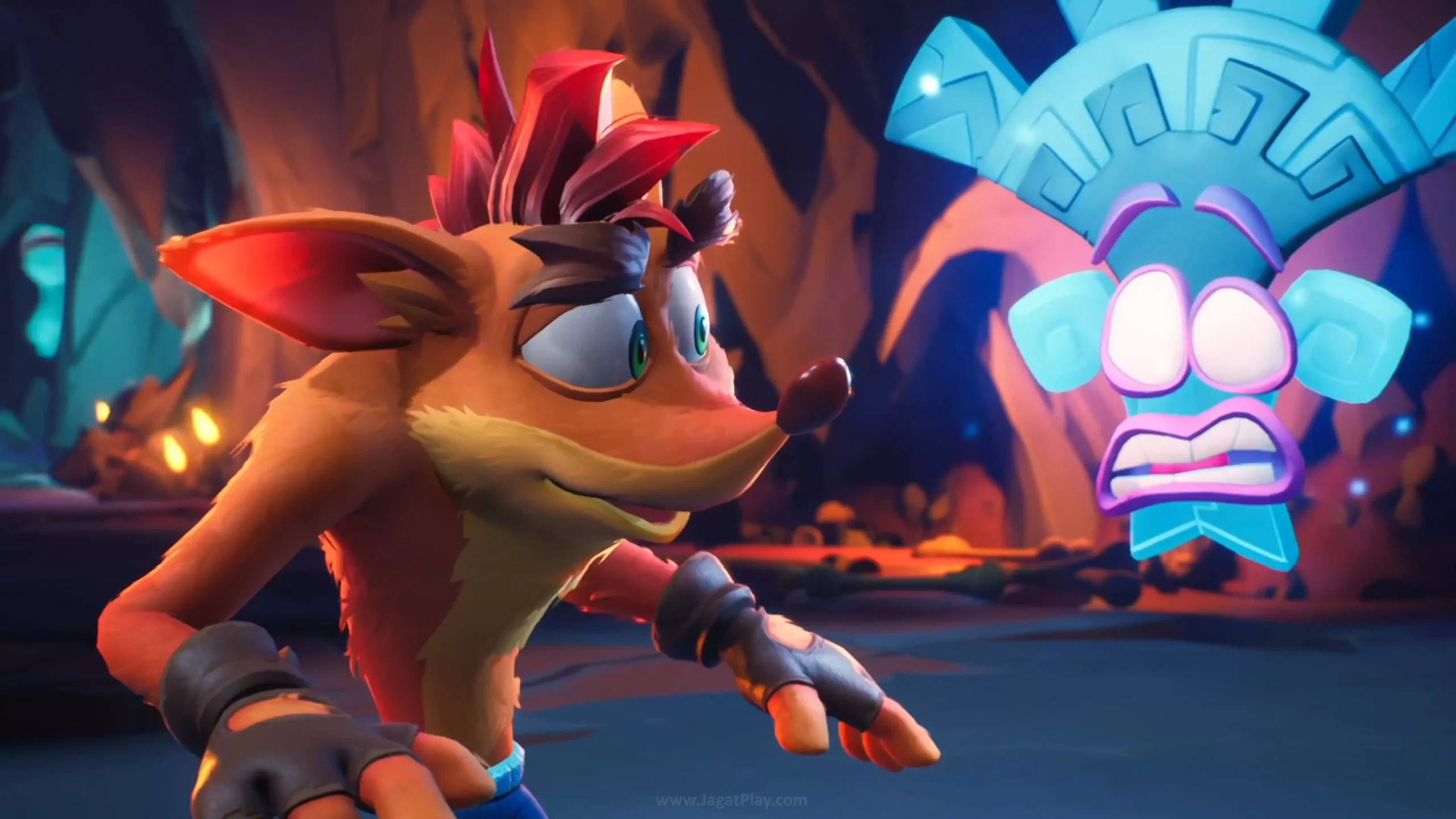
The gaming industry’s increasingly successful foray into cinematic and television adaptations has prompted Activision to file a new trademark for its iconic franchise, Crash Bandicoot. This strategic move, which specifically includes categories for "motion picture films" and "television series," has ignited widespread speculation among fans and industry observers about the potential for a new era of Crash Bandicoot storytelling beyond the realm of video games. The registration, valid until 2035, encompasses a broad spectrum of entertainment media, suggesting a long-term vision for expanding the beloved marsupial’s universe.
A Resurgent Trend in Video Game Adaptations
The current landscape of entertainment is witnessing an unprecedented surge in video game adaptations, a trend that has moved from niche appeal to mainstream blockbuster success. Titles like HBO’s "The Last of Us" have garnered critical acclaim and massive viewership, proving that complex narratives and beloved characters from video games can translate effectively to the screen. Similarly, the widespread popularity of Amazon’s "Fallout" series and the global box office triumph of "The Super Mario Bros. Movie" have underscored the immense commercial potential inherent in established gaming intellectual properties. These successes have undoubtedly served as a powerful incentive for publishers to explore similar cross-media ventures for their own valuable franchises. Activision’s renewed focus on Crash Bandicoot aligns perfectly with this industry-wide pivot, positioning the franchise to capitalize on a market hungry for familiar yet fresh entertainment experiences.
The Significance of the New Trademark Filing
The trademark application, lodged with the European Union Intellectual Property Office (EUIPO) under application number 019256945, explicitly details provisions for "motion picture films" and "television series." This level of specificity moves beyond general entertainment rights and directly signals intent to produce content within these distinct media formats. The extended validity period until 2035 further indicates a deliberate, long-term strategy rather than a fleeting interest. Such registrations are standard practice for companies safeguarding their intellectual property and preparing for future product launches or expansions. In the context of the entertainment industry, a trademark filing of this nature is often one of the earliest indicators of a project in development, even if official announcements are still some time away.

A History of Speculation and Unfulfilled Promises
This is not the first time Crash Bandicoot has been linked to non-gaming adaptations. In late 2023, rumors circulated about an animated Crash Bandicoot series being developed for Netflix in collaboration with WildBrain Studios, the same company behind the successful "Sonic Prime" animated series. However, after the initial buzz, these rumors seemed to fade, leaving fans to wonder about the project’s status. The recent trademark filing has effectively reignited these discussions, suggesting that the animated series, or potentially other forms of visual media, may still be in development behind the scenes. The protracted silence following the initial Netflix rumors could be attributed to various factors, including development challenges, strategic shifts within Activision, or a deliberate effort to maintain secrecy until a more opportune moment for a formal reveal.
Crash Bandicoot’s Intrinsic Appeal for Adaptation
The Crash Bandicoot franchise, with its vibrant characters, distinctive art style, and penchant for slapstick humor, possesses inherent qualities that make it a prime candidate for adaptation. The games are renowned for their accessible gameplay, colorful worlds, and memorable villains, all of which translate well into visual storytelling. Crash himself, a bandana-wearing marsupial with a perpetually bewildered expression and a penchant for spinning into danger, is a visually striking and easily recognizable character. The supporting cast, including his sister Coco, the eccentric scientist Dr. Cortex, and a host of other unique creatures, provides ample material for character-driven narratives. The franchise’s signature blend of fast-paced action and lighthearted comedy is ideally suited for family-friendly animated films or episodic television series. The relatively simple yet engaging storylines of the games also lend themselves to broader narrative expansion without necessarily requiring drastic overhauls.
The Broader Context: A Maturing Industry
The trend of video game adaptations is not merely a passing fad; it represents a maturing of the video game industry and its integration into the wider entertainment ecosystem. Historically, video game movies often struggled to capture the essence of their source material, leading to a perception of them as inferior adaptations. However, recent successes have demonstrated a greater understanding of what makes these games resonate with their audiences. Developers and publishers are now collaborating more closely with filmmakers and showrunners who possess a genuine appreciation for the source material. This collaborative approach, coupled with advancements in visual effects and storytelling techniques, has led to more faithful and engaging adaptations. Companies like Sony Pictures, which has successfully launched the "Uncharted" film and is working on "God of War" and "Horizon Zero Dawn" series, and Nintendo, with its recent "Super Mario Bros. Movie" success, are leading this charge. Activision’s move with Crash Bandicoot is a strategic alignment with this industry-wide evolution, aiming to leverage a well-loved IP in a burgeoning market.
Potential Formats and Target Audiences
Given Crash Bandicoot’s established persona, several adaptation formats appear most probable. An animated television series, perhaps aimed at a family audience, could allow for episodic adventures that explore different facets of the Crash universe. This format would enable the introduction of new characters and storylines while revisiting familiar locales and adversaries. Alternatively, a feature-length animated film could offer a more cohesive, high-stakes narrative, potentially serving as a reboot or a new origin story for the character. The franchise’s comedic elements also suggest the possibility of a live-action comedy or a hybrid approach, although the inherent challenges of translating Crash’s signature movements and the fantastical elements of the games to live-action would be considerable. The success of "Sonic the Hedgehog" in live-action, albeit with significant CGI for its protagonist, provides a precedent for how such a hybrid could be approached.

Analysis of Strategic Implications
The filing of this trademark signifies more than just a potential project; it represents a strategic decision by Activision to diversify its revenue streams and engage with its fanbase on new platforms. In an era where gaming IPs are increasingly seen as valuable entertainment assets, expanding Crash Bandicoot into film and television can unlock significant new revenue streams through licensing, merchandise, and direct content consumption. It also serves as a powerful marketing tool, potentially driving renewed interest in the video game franchise itself. For a character like Crash, who has experienced periods of immense popularity followed by relative quiet, a successful adaptation could reignite global recognition and affection. This move also positions Activision to compete more directly with other major entertainment companies that are leveraging their gaming properties.
What Lies Ahead for Crash Bandicoot?
While Activision has yet to issue an official statement confirming any specific projects, the trademark filing provides a strong indication of their intentions. The industry is keenly watching for further developments. The timing of this filing, amidst a golden age for video game adaptations, suggests that Activision is poised to capitalize on a receptive market. Fans, who have long cherished Crash Bandicoot’s unique charm, will undoubtedly be eager to see how the iconic marsupial fares in the world of film and television. The success of this venture will likely depend on the ability of the creative teams to translate the core appeal of the games – its humor, its characters, and its distinctive visual identity – into compelling narratives that resonate with both long-time fans and new audiences alike. The journey from trademark filing to screen production is often a long and complex one, but for Crash Bandicoot, the potential for a new chapter in its storied legacy has never seemed more tangible.