Tyo Susilo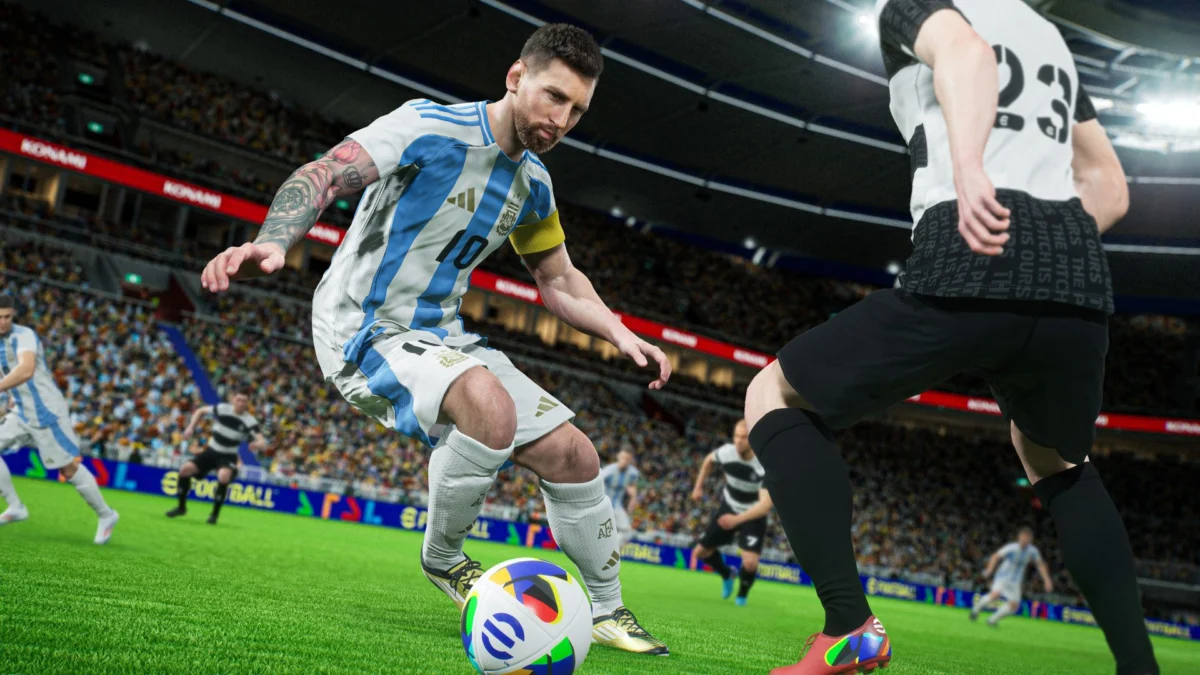
Zurich, Switzerland – April 25, 2026 – In a significant strategic pivot, the Fédération Internationale de Football Association (FIFA), the global governing body for association football, has officially announced its departure from a singular flagship gaming title strategy. The organization has revealed a comprehensive new approach, dubbed the "Digital Football Strategy," which aims to cultivate a broad and interconnected ecosystem of football-related games, esports initiatives, and digital experiences. This move marks a profound shift in how FIFA intends to engage with the rapidly evolving digital entertainment landscape, particularly in anticipation of the 2026 FIFA World Cup.
The decision comes after a period of considerable uncertainty regarding the future of the FIFA video game brand, especially following its separation from long-time partner Electronic Arts. Instead of pursuing a direct competitor to EA Sports FC, the newly rebranded football simulation game from EA, FIFA is embracing a far more expansive and ambitious vision. This new strategy emphasizes collaboration with a diverse array of game publishers and developers, aiming to position FIFA as the central hub for a multifaceted football gaming universe.
A Paradigm Shift: From Single Title to Diverse Ecosystem
For years, the FIFA video game franchise, under its partnership with EA, dominated the football simulation genre, consistently setting sales records and capturing the attention of millions of players worldwide. The annual releases were a cultural phenomenon, deeply embedded in the gaming calendar. However, the landscape of interactive entertainment has diversified dramatically. Recognizing this, FIFA’s new Digital Football Strategy acknowledges that the modern football gaming audience is not monolithic and extends far beyond traditional simulation enthusiasts.
The organization’s official announcement detailed a multi-pronged approach, dividing its gaming initiatives into several distinct categories. This includes, but is not limited to:
- Realistic Football Simulation: While not directly competing with EA Sports FC in the same vein as before, FIFA’s strategy allows for the possibility of future realistic simulation titles developed through new partnerships.
- Arcade and Casual Experiences: Catering to a broader audience, these games will focus on accessibility and fun, potentially drawing in players who may not engage with complex simulations.
- Non-Action Simulations: This category could encompass management or strategy-focused football games, offering different gameplay loops.
- Casual Non-Simulation Experiences: Broadening the appeal further, this segment aims to capture players through lighter, more accessible football-themed games across various platforms.
This strategic diversification indicates FIFA’s understanding that the appeal of football in the digital realm is not confined to the granular realism of a traditional sports simulation. It suggests an awareness that innovation and engagement can be found in various genres, from competitive esports titles to accessible mobile games.
Key Partnerships and Future Projects
The Digital Football Strategy is already beginning to materialize through a series of significant collaborations. FIFA has announced partnerships with seven distinct projects designed to build out this comprehensive ecosystem. Among the notable collaborators are:
- Football Manager 26: The continuation of the highly respected football management simulation series is a key component, signaling FIFA’s commitment to deep strategic gameplay. Sports Interactive, the developer behind Football Manager, has a long-standing reputation for its detailed and immersive management simulations, and their continued association with the FIFA brand reinforces the focus on the sport’s tactical and strategic depth.
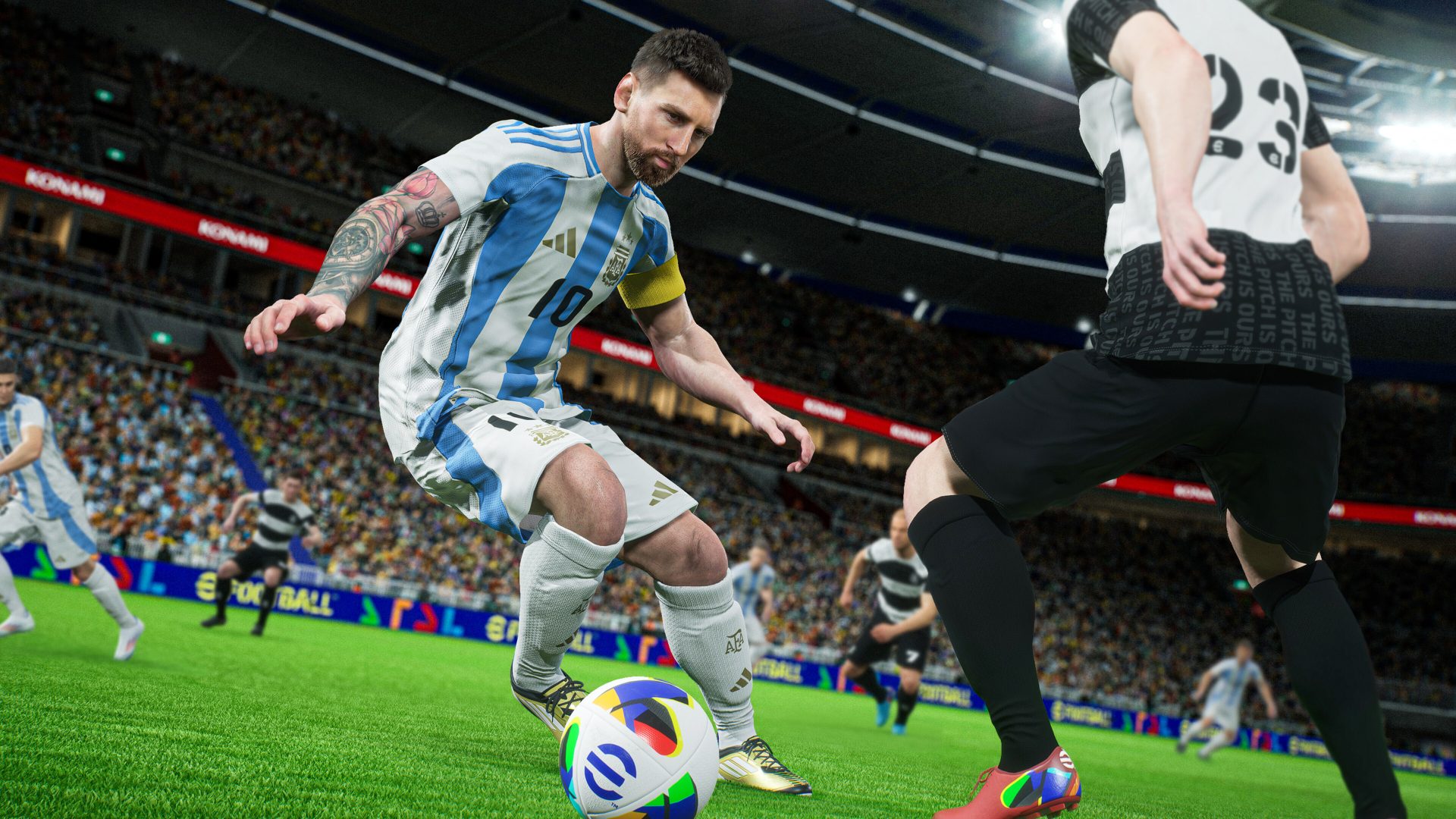
- eFootball: Konami’s free-to-play football simulation game, formerly known as Pro Evolution Soccer, is also part of the official partnership list. This collaboration suggests a broader embrace of different simulation approaches and business models within the football gaming space.
- Netflix Games Collaboration: A highly anticipated new game resulting from a collaboration with Netflix Games has been officially named "FIFA World Cup." This title is slated for release this year, indicating a significant move into the mobile and streaming platform gaming sector. The partnership with Netflix, a global entertainment giant with a massive subscriber base, signifies FIFA’s ambition to reach new audiences through innovative distribution channels.
Beyond these flagship projects, FIFA is also investing in other ventures, including:
- FIFA Rivals: This title is expected to offer a competitive multiplayer experience, potentially focusing on team-based play or league structures.
- FIFA Heroes: This initiative likely targets a more casual audience, possibly with collectible card game elements or hero-collector mechanics inspired by football legends.
- Esports Collaborations with Rocket League: A notable partnership has been formed with Psyonix, the developers of the popular vehicular soccer game, Rocket League. This collaboration underscores FIFA’s commitment to the burgeoning esports scene and its willingness to integrate with established esports titles that have a strong football-adjacent appeal.
Historical Context and Strategic Implications
The genesis of FIFA’s new digital strategy can be traced back to the evolving dynamics of the video game industry and the commercial realities of licensing. For over two decades, the FIFA video game license was synonymous with EA Sports’ immensely popular football simulation. This partnership generated billions of dollars in revenue and cemented the FIFA brand as a household name within gaming. However, the expiration of the licensing agreement in 2023, leading to EA’s rebranding of its simulation series to EA Sports FC, created a void and an opportunity for FIFA to redefine its digital presence.
Historically, FIFA’s involvement in gaming was largely channeled through its exclusive deal with EA. This created a powerful, albeit singular, brand presence. The separation allowed FIFA to reassess its options and, rather than seeking to replicate the past, chart a new course. The "Digital Football Strategy" represents a significant departure from this singular focus. It signals a desire to decentralize its gaming efforts, leveraging the expertise of multiple developers and publishers across various platforms and genres.
The implications of this multi-game, multi-partner approach are far-reaching. Firstly, it allows FIFA to maintain a strong brand presence across a wider spectrum of the gaming market without being solely reliant on a single development studio or a specific genre. This diversification can mitigate risks associated with market shifts or the performance of any single title.
Secondly, by partnering with diverse entities, FIFA can tap into existing communities and player bases, potentially accelerating its reach and engagement. For instance, integrating with a platform like Netflix Games or collaborating with an established esports title like Rocket League instantly exposes the FIFA brand to millions of potential new fans.

Furthermore, this strategy aligns with the growing trend of creating interconnected gaming ecosystems. By fostering relationships with various developers, FIFA can encourage cross-promotional opportunities, shared in-game events, and a more cohesive brand identity across different digital experiences.
The Challenge of Dominance and Future Outlook
The primary challenge for FIFA’s new strategy lies in its ability to effectively compete with the entrenched dominance of EA Sports FC. EA’s simulation title benefits from years of brand loyalty, established gameplay mechanics, and a massive existing player base. FIFA’s success will hinge on whether its diverse portfolio of games can collectively capture the attention and loyalty of gamers, or even attract new segments of the audience.
However, the strategy also presents a significant opportunity. By not being confined to a single genre, FIFA can potentially reach gamers who are not necessarily interested in hyper-realistic football simulations. This could include casual mobile gamers, fans of arcade-style sports games, or even those who engage with football through esports and fantasy leagues.
The organization’s stated goal of building a "football game ecosystem" suggests a long-term vision. The timing of this announcement, leading up to the 2026 FIFA World Cup, is strategically astute. The World Cup is a global spectacle that generates immense interest in football, providing an ideal platform to launch and promote new gaming initiatives.
The success of this new digital football strategy will be a crucial test for FIFA’s ability to adapt and thrive in the modern digital age. By embracing a more open and collaborative approach, FIFA is signaling its commitment to innovation and its ambition to remain a dominant force in the global football culture, not just on the pitch, but also in the virtual arenas of gaming and esports. The coming years will reveal whether this ambitious ecosystem can truly rival established giants and redefine the future of football in the digital realm.