Nila Kartika Wati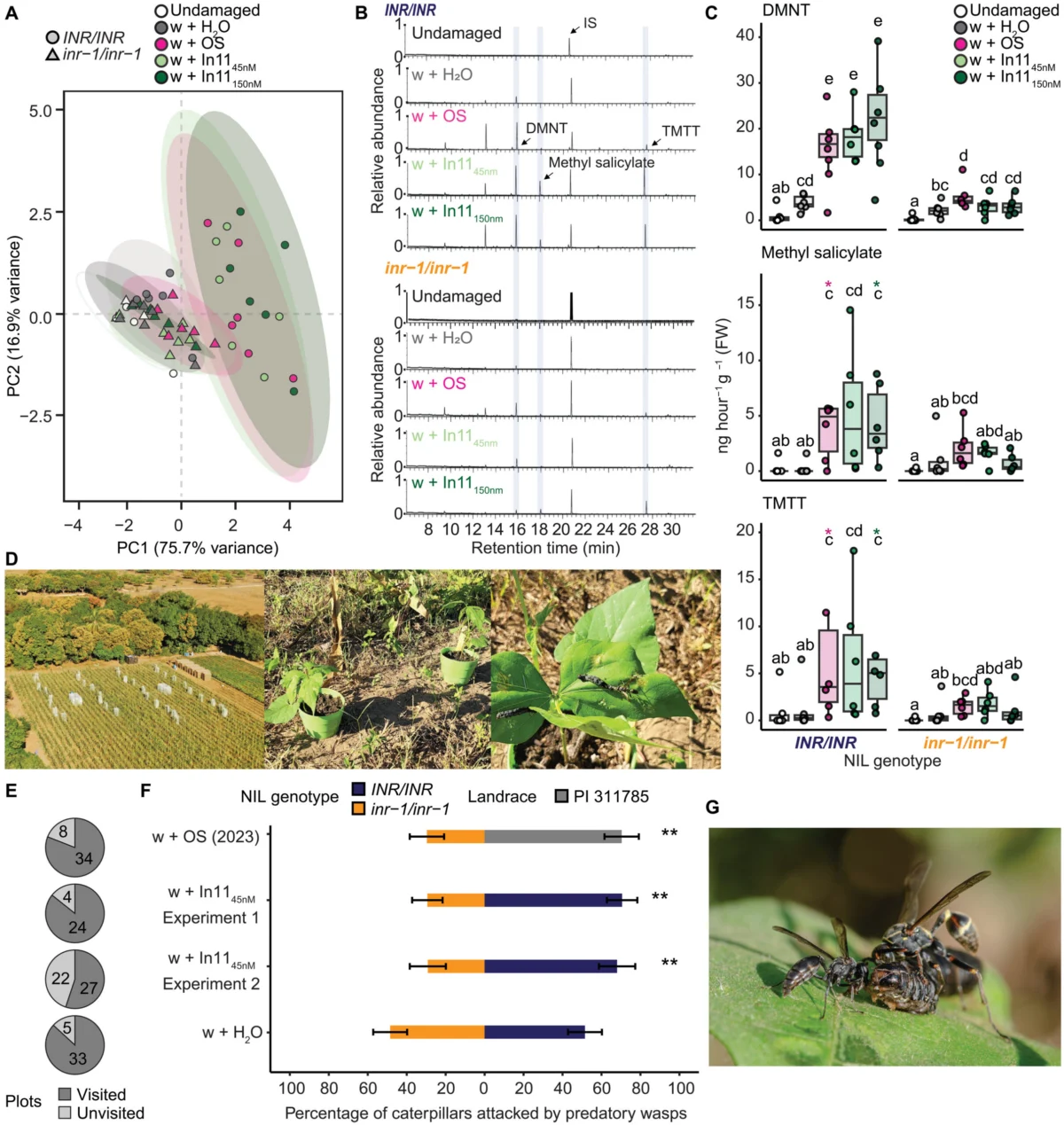
In a breakthrough study that redefines our understanding of plant-insect interactions, researchers have decoded the complex biological "alarm system" used by bean plants to defend themselves against predatory caterpillars. While plants are often perceived as passive victims of herbivory, the common bean (Phaseolus vulgaris) has been found to possess a sophisticated detection and response network that functions on both internal and external levels. This mechanism, detailed in a May 2026 publication in the journal Science Advances, reveals how plants utilize a specific receptor to identify the presence of pests and subsequently broadcast a chemical "S.O.S." to recruit aerial reinforcements in the form of predatory wasps.
The research, led by a team from the University of Washington in collaboration with scientists from Switzerland and Mexico, marks a significant milestone in the field of chemical ecology. For decades, botanists have suspected that plants communicate with the natural enemies of their pests, a phenomenon known as tritrophic interaction. However, this study is the first to bridge the gap between molecular biology and real-world agricultural conditions, demonstrating exactly how a plant identifies its attacker and how that identification leads to a measurable increase in predator-driven pest control in the field.
The Molecular Fingerprint of an Attacker
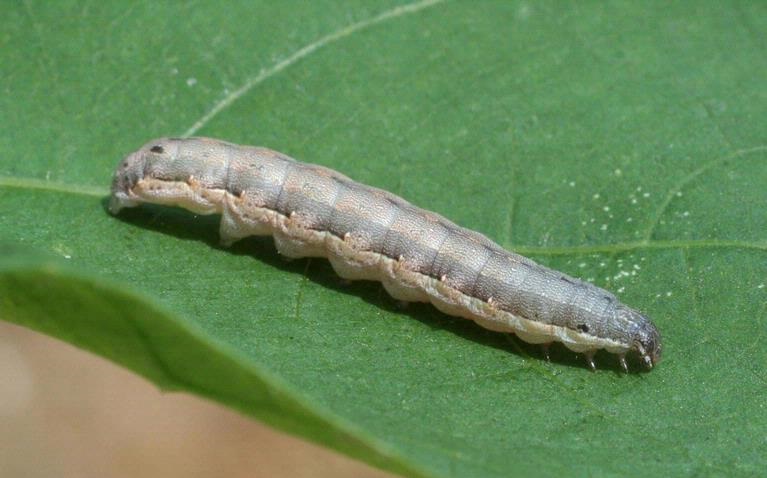
The defensive sequence does not actually begin with the plant, but rather within the digestive tract of the caterpillar. When a beet armyworm (Spodoptera exigua) or a fall armyworm (Spodoptera frugiperda) consumes the leaf of a bean plant, it inadvertently sets off a biological trap. As the caterpillar digests the plant proteins, its stomach enzymes break down the leaf matter into various fragments. One specific byproduct of this digestion is a small molecule known as Inceptin-11 (In11).
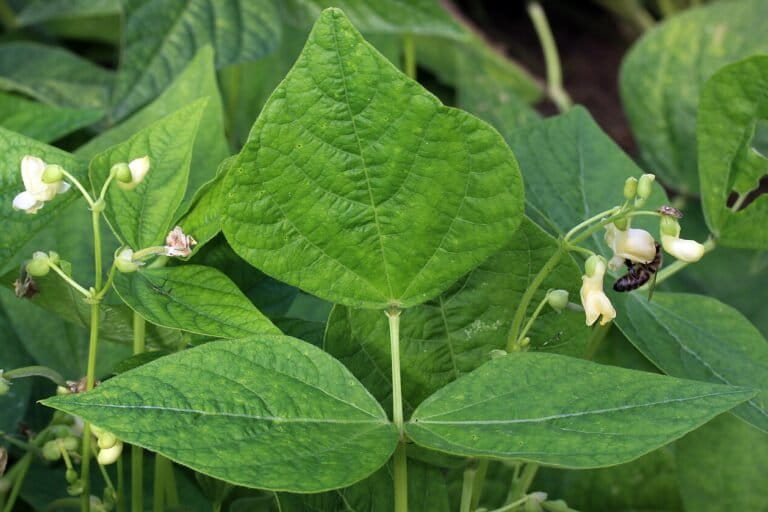
In11 acts as a definitive molecular "fingerprint." It is only produced when a caterpillar is actively feeding on the plant. As the caterpillar continues to chew, it regurgitates or secretes saliva containing this In11 molecule onto the wounded leaf surface. To the caterpillar, this is a routine part of feeding; to the plant, it is a high-priority warning signal.
The bean plant is equipped with a specialized sensor on its leaf surfaces known as the Inceptin Receptor, or INR. This receptor is tuned specifically to detect the presence of In11. The moment the INR binds with the In11 molecule, it triggers an immediate and massive physiological shift within the plant. This recognition is highly specific; the plant does not react this way to simple mechanical damage, such as a tear from the wind or a passing animal. It requires the specific chemical signature of the caterpillar’s digestive process to initiate its full defensive suite.
The Chemical S.O.S. and the Recruitment of Wasps
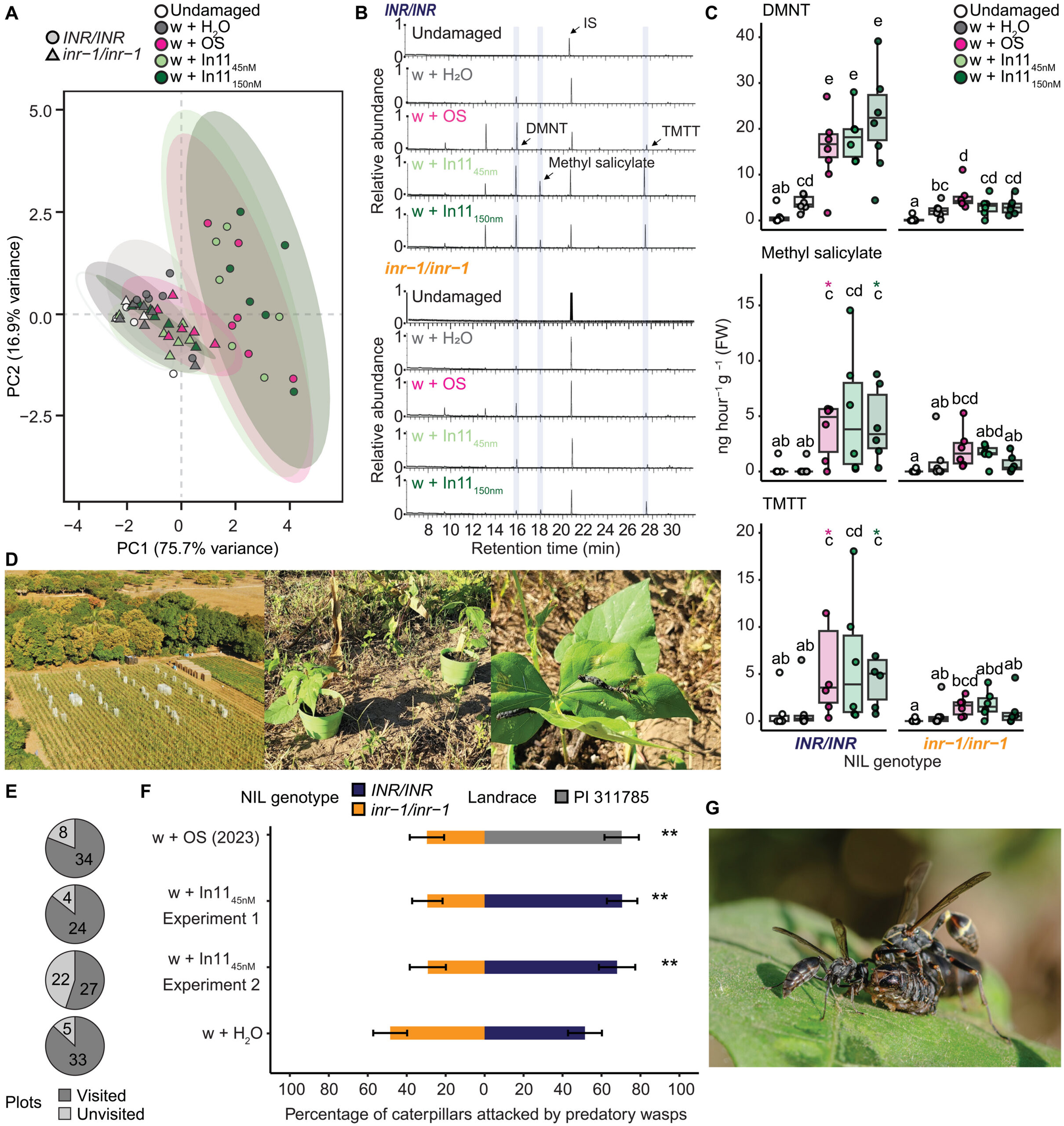
Once the INR receptor confirms an attack, the bean plant begins to synthesize and release a cocktail of Volatile Organic Compounds (VOCs) into the surrounding air. These compounds, which include DMNT (dimethyl nonatriene), TMTT (trimethyl tridecatetraene), and methyl salicylate, serve as an olfactory map for predatory insects.
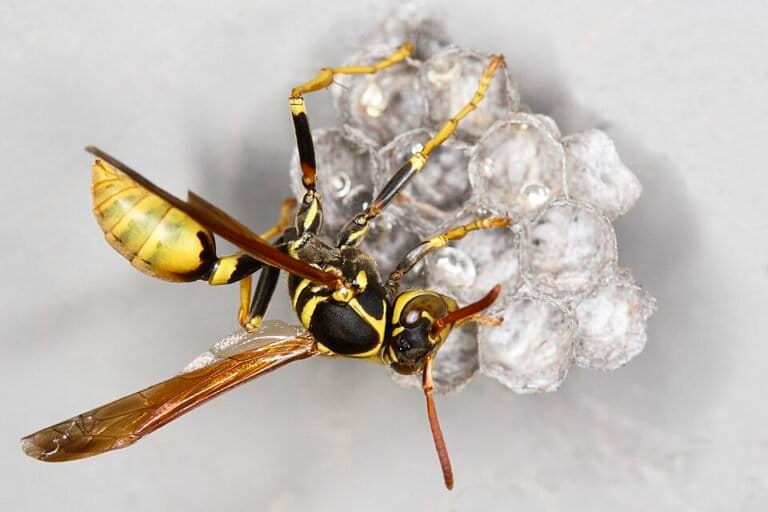
In the ecosystems of Oaxaca, Mexico, where the field trials were conducted, these signals are primarily picked up by social wasps from the genera Polybia and Mischocyttarus. Through millions of years of co-evolution, these wasps have learned to associate these specific plant aromas with a high-protein meal. For the wasps, the scent is not just a smell; it is a dinner bell indicating the exact location of a vulnerable, slow-moving caterpillar.
The study found that the "aroma" released by the plant is highly effective. Once the signal is in the air, the wasps fly toward the source, locate the caterpillar, and either prey upon it immediately or carry it back to their nests to feed their larvae. The caterpillar, which might have been feeding in relative safety under the cover of leaves, is suddenly exposed by the very plant it is consuming.
Rigorous Field Testing in Oaxaca
What distinguishes this research from previous laboratory-based studies is its extensive validation in a real-world agricultural setting. The research team conducted experiments over two consecutive growing seasons in 2023 and 2024 in the agricultural heartlands of Oaxaca, Mexico. This region was chosen because it is one of the ancestral homes of the bean plant, providing a natural ecological context for the study.
To test the effectiveness of the INR receptor, the scientists used a "controlled mutation" approach. They planted pairs of bean plants: one "wild-type" plant with a fully functional INR receptor and one "mutant" variety that lacked a working receptor. Both sets of plants were subjected to various treatments:
- Application of caterpillar saliva.
- Application of pure In11 molecules.
- Simple mechanical wounding (cutting) with the addition of water.
The researchers then attached "sentinel" caterpillars (larvae that had been humanely killed to prevent them from moving away) to the leaves and observed the behavior of local wasp populations for 90-minute intervals.
The data collected was conclusive. Plants with functional INR receptors that were treated with In11 or caterpillar saliva saw a 40% higher rate of wasp attacks compared to those with disabled receptors. On the plants where the receptor was non-functional, the wasps were far less likely to visit, even if the plant was physically damaged. This proved that the physical act of eating the leaf is not what attracts the wasps; rather, it is the plant’s active chemical response, mediated by the INR receptor, that brings the predators to the scene.
The Internal Shield: Retarding Caterpillar Growth
While the recruitment of wasps is the most dramatic part of the defense, the INR receptor also activates a second, internal layer of protection. The study revealed that when the INR receptor is triggered, the plant begins to alter its own internal chemistry to make its leaves less hospitable to herbivores.
In a controlled experiment, researchers allowed beet armyworms to feed on both types of plants for five days. The results were striking: caterpillars feeding on the plants without a functional INR receptor grew 72.7% faster than those feeding on the normal, defending plants.
This suggests that the activation of the INR receptor leads to the production of anti-digestive proteins or mild toxins within the leaf tissue. These compounds do not necessarily kill the caterpillar instantly, but they significantly slow its growth and development. By slowing the caterpillar down, the plant achieves two things: it reduces the total amount of leaf tissue consumed and it keeps the caterpillar in a vulnerable, larval stage for a longer period, giving the recruited wasps more time to find and eliminate the pest.
Evolutionary Context and the Milpa System
The presence of the INR receptor is not unique to the common bean; it has been identified across various species in the Phaseoloid group, which includes many legumes essential to diets in Asia, Africa, and Latin America. The discovery sheds new light on traditional farming practices, such as the milpa system used in Mesoamerica for thousands of years.
In a milpa, beans are grown alongside corn and squash. This polyculture system may have inadvertently leveraged the bean plant’s natural alarm system for centuries. By maintaining a biodiverse environment, traditional farmers ensured that predatory wasps were always nearby to respond to the bean plant’s chemical signals. This natural synergy helps explain why these traditional systems often remain resilient to pest outbreaks without the use of modern synthetic chemicals.
Implications for Global Food Security and Sustainable Agriculture
The findings of this study come at a critical time for global agriculture. Pests like the fall armyworm have become a major threat to food security, particularly in Sub-Saharan Africa and Southeast Asia. In Indonesia, the fall armyworm was first detected in 2019 and has since spread rapidly, causing significant damage to corn and legume crops across the archipelago.
Currently, the primary defense against such pests is the heavy application of chemical pesticides. However, this approach is becoming increasingly unsustainable due to rising costs, environmental degradation, and the rapid evolution of pesticide resistance in insect populations.
The identification of the INR receptor opens the door for a new era of "eco-friendly" crop breeding. Agricultural scientists may now be able to use CRISPR gene-editing or advanced selective breeding to ensure that all commercial bean varieties possess robust, high-sensitivity INR receptors. By "turning up the volume" on the plant’s natural alarm system, farmers could potentially reduce their reliance on chemical sprays, instead allowing the local ecosystem’s natural predators to handle pest control.
Furthermore, this research provides a blueprint for studying similar mechanisms in other major crops like rice, wheat, and soy. If researchers can identify the specific receptors and "fingerprint" molecules for other pests, it may be possible to create an entire agricultural landscape that is biologically "tuned" to defend itself.
Conclusion
The study published in Science Advances serves as a powerful reminder of the hidden complexity of the natural world. The bean plant, far from being a defenseless organism, is a sophisticated communicator capable of analyzing its environment, identifying its enemies, and forming strategic alliances with other species. As the global agricultural community looks for ways to feed a growing population while protecting the environment, the secrets held within the DNA of the common bean may provide the key to a more resilient and sustainable future. By understanding and enhancing these natural tritrophic interactions, humanity can move away from a war against nature and toward a more harmonious and effective collaboration with the existing biological systems that protect our planet’s flora.