Nila Kartika Wati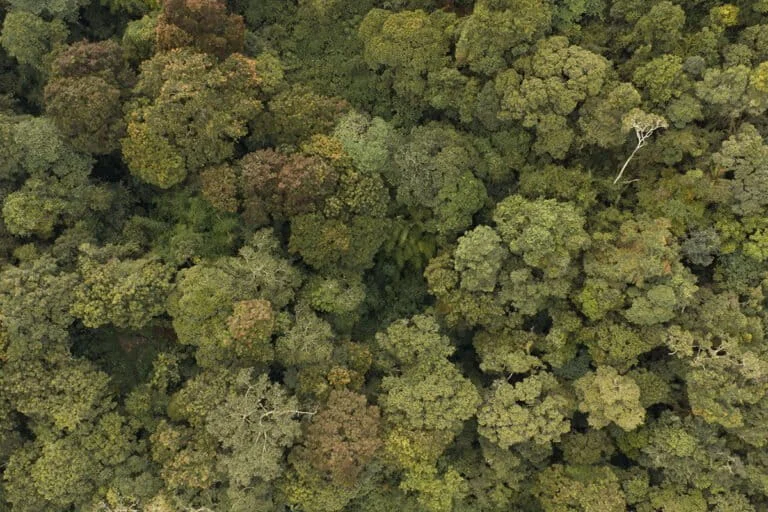
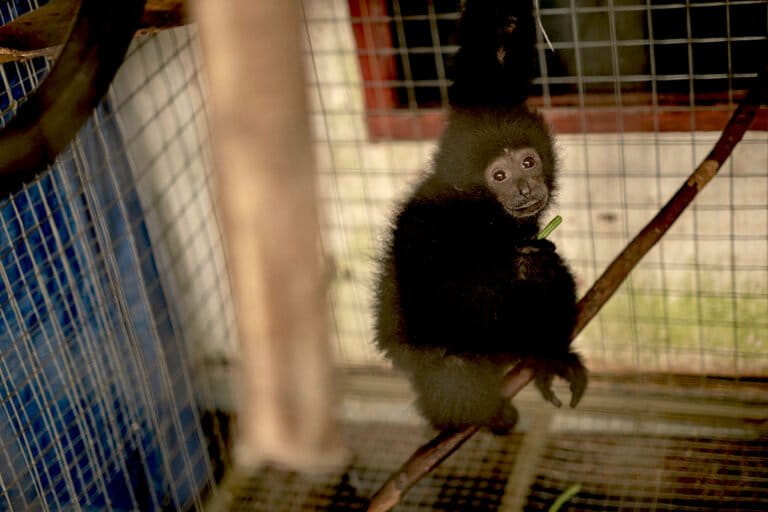
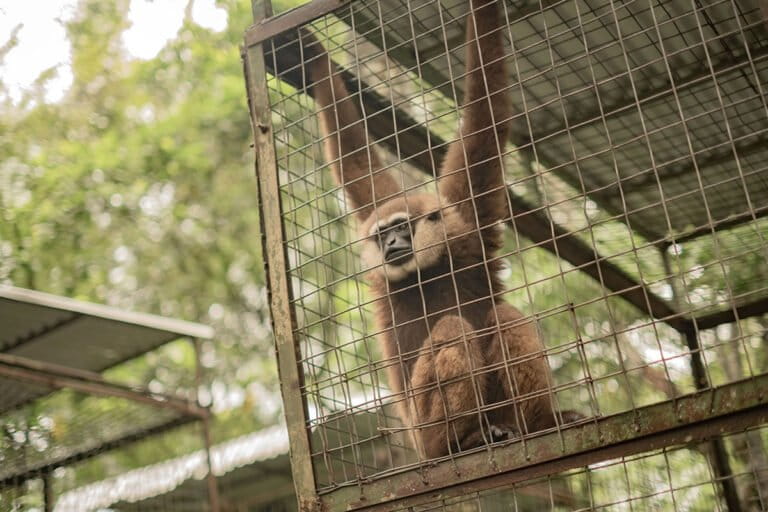
Inside a modest three-by-two-meter enclosure at the Punti Kayu Animal Rehabilitation Center (PRS) in Palembang, a young siamang with dexterous small hands reaches for a crate filled with fresh produce. Piece by piece, the juvenile primate consumes carrots, corn, cucumbers, long beans, and eggplants, its movements a blend of natural agility and the learned behavior of a captive. Its eyes, often described by caretakers as somber, peer through the wire mesh toward the world outside, an environment it was forced to leave far too early. This one-year-old infant is one of many victims of the illegal wildlife trade and the misplaced desire of humans to keep exotic pets, a practice that continues to threaten the survival of Indonesia’s unique primate species.
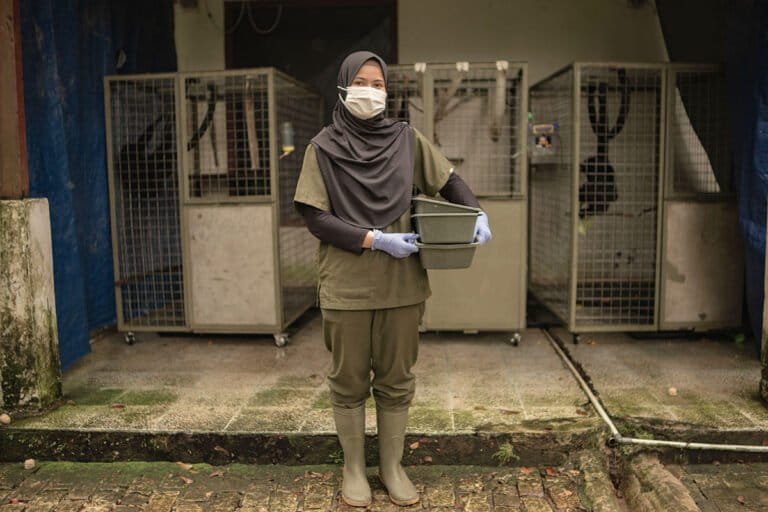
Arnestasya Fitri Andriani, a veterinarian at PRS Punti Kayu, noted that this specific siamang arrived at the facility after being separated from its mother at an age when it should still be clinging to her fur for warmth and survival. The facility, which has been managed by The Aspinall Foundation since 2022, currently houses 29 individual gibbons—28 siamangs (Symphalangus syndactylus) and one ungko or agile gibbon (Hylobates agilis). While the foundation has successfully released approximately 40 individuals back into the wild since beginning its operations in the region, the road to rehabilitation is fraught with biological, psychological, and medical hurdles.
The Biological Toll of Early Separation
The tragedy of the siamang trade is rooted in the species’ complex social structure and reproductive biology. Siamangs are unique among gibbons for their specific parental roles. In the wild, a siamang infant spends its first year in constant physical contact with its mother, relying on her for milk, thermoregulation, and protection. However, a significant shift occurs during the second year of life. In a rare display of male parental investment among primates, the father takes over the primary caretaking duties, carrying the juvenile, playing with it, and socialising it, while the mother focuses on recovering her physical energy for future reproduction.
When an infant is poached—usually by killing the protective mother—this vital educational link is severed. "When they are separated from their mothers, there is a profound disruption in the learning process," explained Andriani. This "interrupted knowledge" means that rescued siamangs often do not know how to swing through the canopy (brachiation), identify forest fruits, or communicate with the complex vocalizations known as "great calls." Consequently, the rehabilitation process for a former pet can take between five to ten years. Caretakers must act as surrogate teachers, slowly reintroducing the primates to their natural instincts while simultaneously breaking their bond with humans to ensure they do not seek out human settlements once released.
The Looming Threat of Zoonotic Diseases
The physical trauma of captivity is often accompanied by invisible threats. The proximity between humans and wild animals in domestic settings creates a bridge for zoonotic diseases—illnesses that can jump between species. At PRS Punti Kayu, the case of a male agile gibbon named Gading serves as a grim cautionary tale. Gading, now six-and-a-half years old, was surrendered by a resident in 2022. While he appears physically healthy and has reached sexual maturity, diagnostic screenings revealed he is a carrier of the herpes virus.
The presence of the virus is a permanent sentence of captivity. "If he were released, the virus in his body could infect the wild population," Andriani stated. "This is devastating news for conservation." Experts believe Gading contracted the virus through prolonged contact with his former human owners. While the virus may not show clinical symptoms in Gading, it could be lethal to other gibbons in the wild who have no immunity.
This phenomenon is not isolated to primates; similar herpes strains have been linked to the deaths of at least 13 elephant calves in Africa and Asia. Currently, there is no vaccine to eradicate the virus in gibbons, leaving PRS Punti Kayu with no choice but to keep Gading in permanent sanctuary to protect the integrity of the wild ecosystem.
Regional Conservation and the Role of Rehabilitation Centers
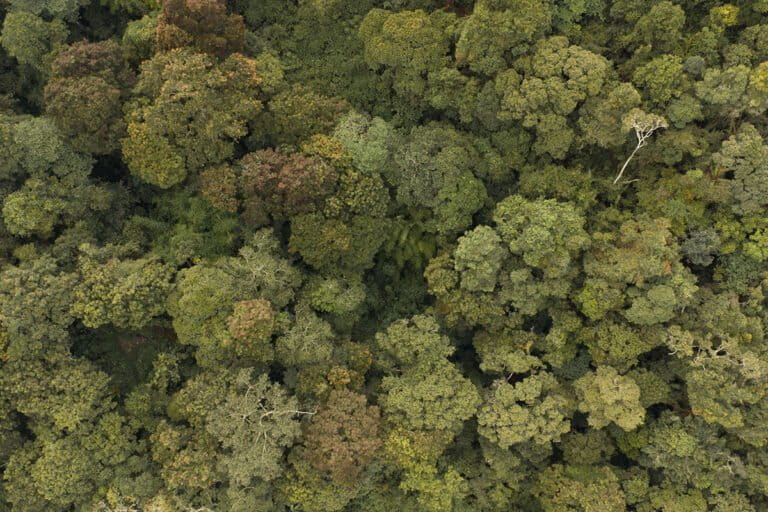
South Sumatra serves as a critical stronghold for both siamangs and agile gibbons. Their habitats range from the high-altitude primary forests of the Bukit Barisan mountain range to the lowland wetlands surrounding the Musi River. Despite their ecological importance, population data for these species in South Sumatra remains incomplete, hampered by the difficulty of surveying dense canopy habitats and the ongoing pressure of habitat fragmentation.
Made Wedana, Director of The Aspinall Foundation, highlighted that the majority of animals brought to the center share a similar background: they are either voluntarily surrendered by citizens who realize they cannot care for them or are seized by authorities during law enforcement operations. The influx of animals is a testament to the persistent demand for "exotic" pets in urban centers like Palembang.
Before the partnership with The Aspinall Foundation was established at Punti Kayu, many rescued gibbons from South Sumatra were translocated to the Alobi Wildlife Rescue Center (PPS Alobi) in Bangka Belitung. Endy R. Yusuf, the manager of PPS Alobi, currently oversees three gibbons that have been in rehabilitation since 2019. Among them is Mong, an agile gibbon who survived a harrowing ordeal involving an air rifle. Veterinarians successfully removed a lead pellet lodged behind Mong’s right ear, a stark reminder of the violence associated with poaching.
"Our biggest challenge is restoring their wild instincts," Yusuf said. "Some of these gibbons have been with humans since they were infants. We are working to move them to facilities that specialize specifically in gibbon behavior, with the ultimate hope that they can one day return to the canopy."
Ecological Implications and Legal Frameworks
The siamang and the agile gibbon are both classified as Endangered (EN) on the IUCN Red List of Threatened Species. Beyond their intrinsic value, they are "gardeners of the forest." As frugivores that travel long distances, they play an essential role in seed dispersal, ensuring the regeneration of the tropical rainforest. The loss of these primates leads to a "silent forest" syndrome, where the lack of seed dispersers results in a decline in tree diversity and forest health.
In Indonesia, these species are strictly protected under Law No. 5 of 1990 concerning the Conservation of Living Natural Resources and their Ecosystems. Possession of a protected species is a criminal offense punishable by up to five years in prison and a fine of 100 million Indonesian Rupiah. However, enforcement remains a challenge as long as social status is attached to the ownership of rare wildlife.
The ongoing work at PRS Punti Kayu and PPS Alobi highlights a critical shift in conservation strategy: the "One Health" approach. This perspective recognizes that the health of people, animals, and the environment are interconnected. By preventing the illegal pet trade, authorities not only protect biodiversity but also mitigate the risk of future pandemics sparked by zoonotic transmission.
A Call for Habitat Protection
While rehabilitation centers provide a vital safety net, conservationists agree that the cage is never the solution. The ultimate goal is the preservation of the "Semantung" or the ancestral forests like those in Bukit Lumut Balai, which provide the vertical space and food sources these primates require.
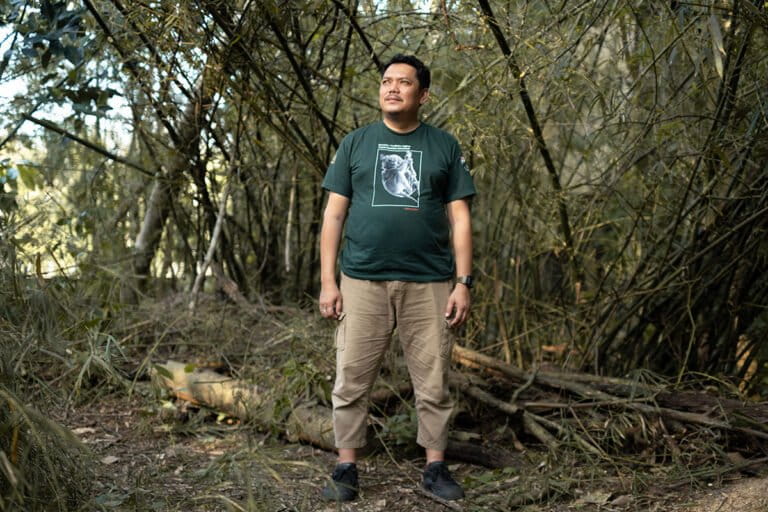
"We must maintain the habitat and protect the remaining forests," Yusuf emphasized. "The most important thing is ensuring that wild animals live in the wild, not in cages. Every time a chain in the ecosystem is broken, it eventually leads to a disaster for humanity as well."
As the one-year-old siamang at Punti Kayu continues its long journey toward potential release, its story serves as a reminder of the high cost of human curiosity. For every successful release, there are many others like Gading, whose lives are confined to the shadows of the forest they should be leading. The success of gibbon conservation in Sumatra will ultimately depend not just on the skill of veterinarians and rehabilitators, but on a fundamental shift in public perception regarding the sanctity of wild lives.