Nila Kartika Wati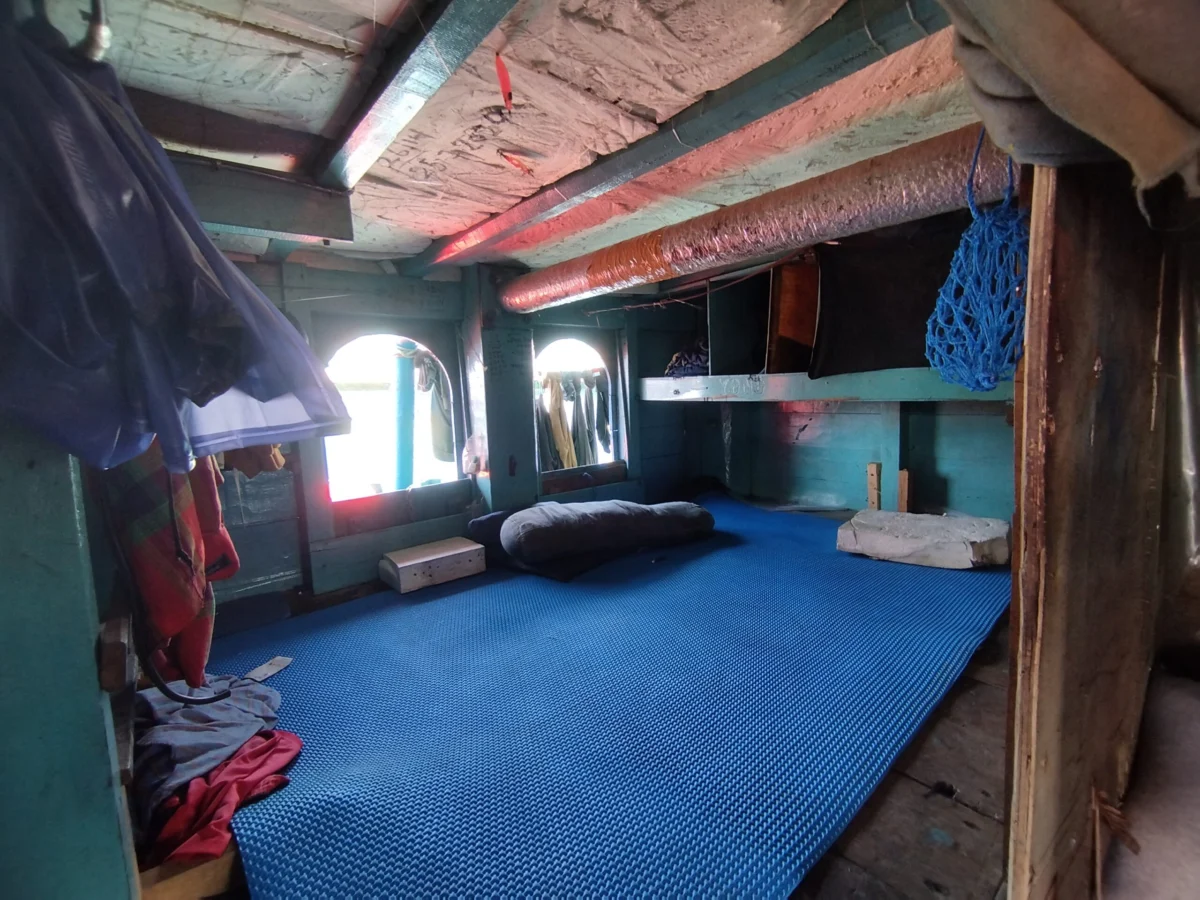
The Government of Indonesia has officially announced the ratification of the International Labour Organization (ILO) Convention No. 188 of 2007, a landmark treaty concerning work in the fishing sector. This strategic decision, disclosed during the national Labor Day celebrations earlier this month, marks a pivotal shift in the nation’s approach to maritime labor rights. For decades, Indonesia has been one of the world’s largest suppliers of fishing vessel crews, yet these workers have often faced precarious conditions, lack of legal clarity, and vulnerability to exploitation. The ratification of ILO C-188 is intended to bridge these gaps, though maritime labor organizations have been quick to emphasize that the true measure of success will lie not in the signature on the document, but in the rigor of its domestic implementation.
Mochamad Idnillah, the Director of Fishing Vessels and Fishing Gear at the Ministry of Marine Affairs and Fisheries (KKP), confirmed that the government has established a one-year preparatory window to transition the convention’s mandates into enforceable national policies. This period is seen as critical for aligning the complex web of Indonesian maritime regulations with the high standards set by the international community. A primary focus of this preparation is the comprehensive revision of Ministerial Regulation (Permen) KP No. 4/2026, which governs the management of fishing vessel manning, education, training, examinations, and certification for fishing vessel crews (AKP). While the current regulation already incorporates several elements of the ILO standards, Idnillah noted that further detailing is required to ensure no ambiguity remains in the protection of workers. The government aims to finalize these revisions by 2026, paving the way for full-scale application by 2027.
A Multi-Ministerial Effort for Regulatory Harmonization
The implementation of ILO C-188 is not the sole responsibility of the KKP; it requires a synchronized effort across various government branches. Yuli Adiratna, Director of Labor Inspection System Development at the Ministry of Manpower (Kemnaker), highlighted that his ministry is working in tandem with the KKP and the Ministry for the Protection of Indonesian Migrant Workers (KP2MI) to ensure that the convention’s provisions are seamlessly integrated into national law. This "synchronization of regulations" is a daunting task, as it involves identifying and closing the legal discrepancies between international norms and existing domestic statutes.
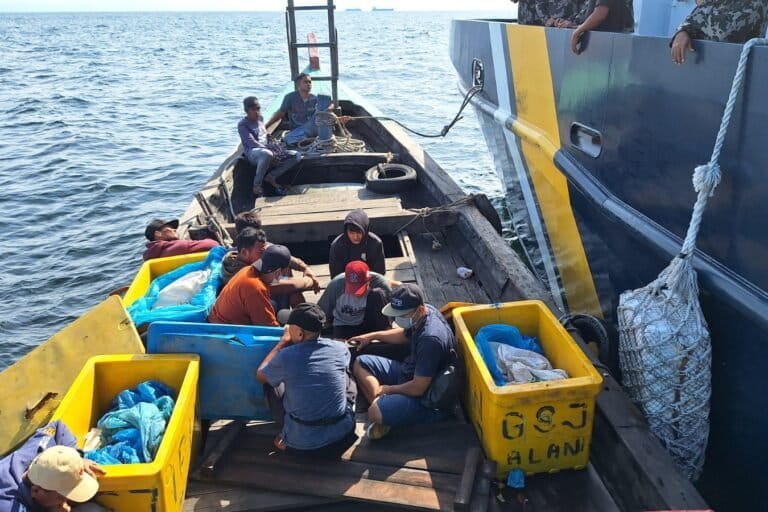
The core pillars of ILO C-188 focus on fundamental human rights at sea: Occupational Safety and Health (K3), fair wages, decent living conditions, social security, and guaranteed rest periods. For a country like Indonesia, where fishing practices often range from small-scale traditional operations to large industrial fleets, applying a uniform standard of "decent work" presents significant logistical challenges. Adiratna noted that while the convention sets a high bar, its adoption is essential for the long-term sustainability of the industry. When workers are protected and healthy, the business environment becomes more stable and productive, creating a virtuous cycle that benefits both the economy and the labor force.
Addressing the Complexity of the Wage System
One of the most contentious and complex issues currently under deliberation is the reform of the fishing sector’s compensation structure. Historically, the Indonesian fishing industry has relied heavily on a "bagi hasil" or profit-sharing system, which can be highly volatile depending on the season’s catch. Under the new framework, the government is evaluating whether to mandate a fixed wage/salary system or to refine the existing profit-sharing model to ensure it meets minimum income standards.
The challenge lies in balancing the traditional practices of coastal communities with the modern requirements of international labor law. Government officials are currently maturing various schemes to find a formula that ensures workers receive a living wage regardless of the fluctuations in catch volume, while also maintaining the economic viability of fishing enterprises. This decision will have far-reaching implications for hundreds of thousands of workers across the archipelago.
Strengthening Oversight and Joint Inspections
The success of ILO C-188 depends heavily on the state’s ability to monitor and enforce compliance on vessels that are often far from land. To address this, Indonesia has already begun implementing "joint inspections," involving the Ministry of Marine Affairs and Fisheries, the Ministry of Manpower, and other relevant agencies. These collaborative oversight activities have been piloted in major maritime hubs such as Jakarta, East Java, and West Java.
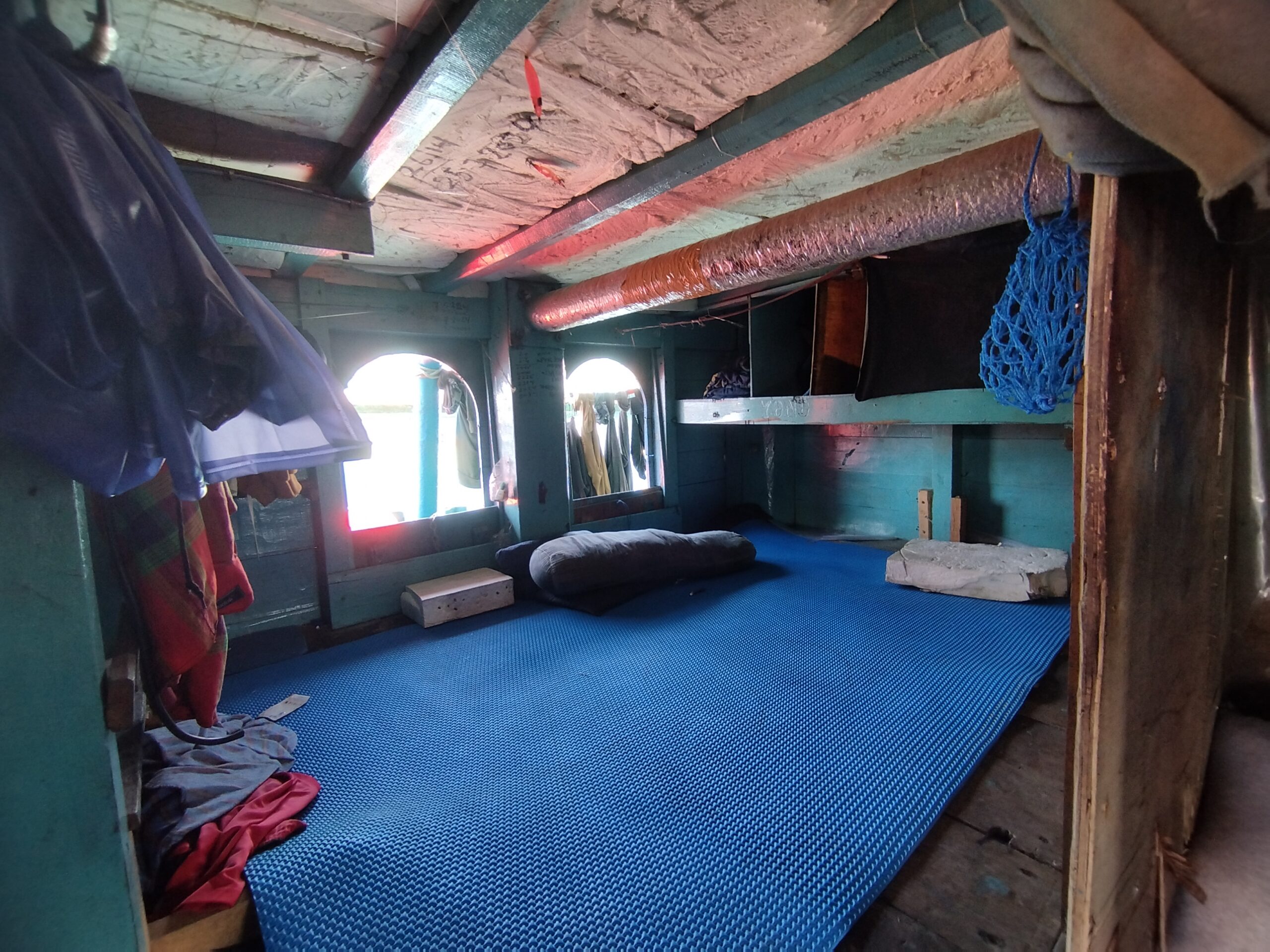
Syofyan Razali, Convenor of Team 9—a specialized group focused on maritime labor issues—explained that prior to this ratification, Indonesia suffered from a "legal vacuum" regarding which agency held the authority to conduct labor inspections on fishing vessels. This lack of clarity often led to a "grey zone" where labor abuses could go unchecked. Furthermore, existing laws like Law No. 7 of 2016 concerning the protection of fishers and salt farmers failed to adequately define or protect the specific category of "Fishing Vessel Crews" (AKP). By ratifying ILO C-188, Indonesia adopts a clearer definition of these workers—distinguishing them from navigators and observers—thereby ensuring they are covered by specific legal protections that were previously absent from regulations like Government Regulation No. 22 of 2022 or BP2MI regulations.
The Role of Labor Unions and Collective Bargaining
The ratification is also expected to catalyze the growth of labor unions within the maritime sector. Currently, Indonesia has only two prominent groups: the Indonesian Fishermen’s Union (SPPI) and the Indonesian Fishing Vessel Crew Union (Sakti) based in North Sulawesi. Mochamad Idnillah expressed the government’s hope that the number of unions will increase significantly following the implementation of the convention. The goal is to have at least one union per province or per major fishing association.
Sulistri, Secretary General of the Maritime Sector Trade Union Network, hailed the ratification as a "major victory" for workers who have long campaigned for better conditions. However, she warned that the burden of responsibility must be shared. While employers are now legally bound to provide welfare, safety, and social security, workers must also strive to improve their technical skills and fulfill certification requirements to meet global standards. The union network intends to act as a watchdog, ensuring that the promises made during the ratification process are translated into tangible improvements on the decks of fishing vessels.
Global Positioning and the Blue Economy
Beyond domestic labor rights, the ratification of ILO C-188 is a strategic move for Indonesia’s standing in the global market. Moh Abdi Suhufan, Special Assistant to the Minister of Marine Affairs and Fisheries for the Protection of Fishermen and AKP, noted that this move strengthens Indonesia’s diplomatic hand. When Indonesian crews face abuse or legal trouble on foreign-flagged vessels, the government can now invoke international standards with greater authority to demand justice and repatriation.
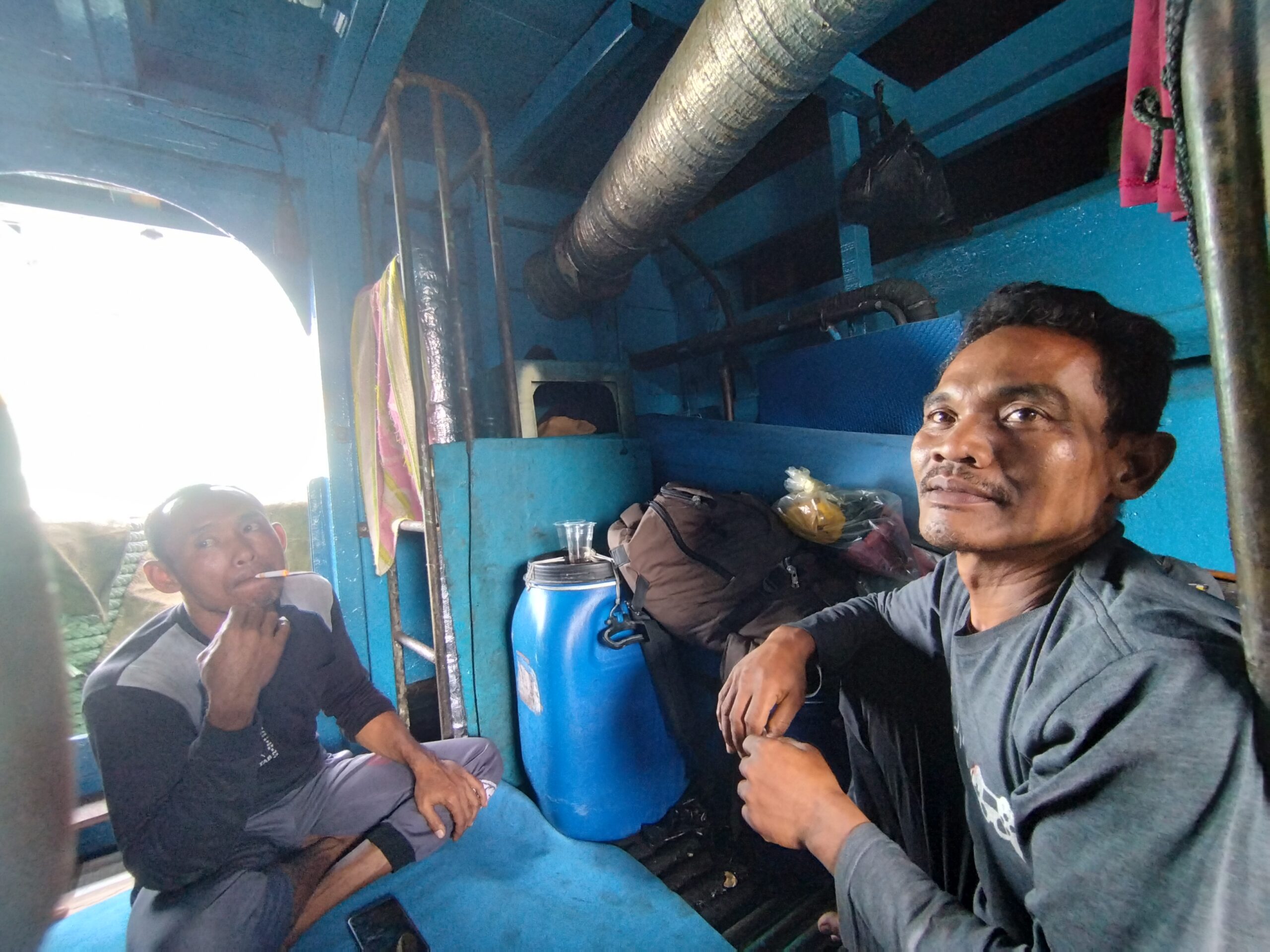
Indonesia is only the second country in Asia, after Thailand, to ratify this convention. Thailand’s experience showed that such a move can significantly enhance the marketability and "value" of seafood products in international markets, particularly in Europe and North America, where consumers and regulators are increasingly sensitive to "modern slavery" in supply chains. By aligning with ILO C-188, Indonesia signals to the world that its seafood exports are produced under ethical labor conditions, potentially opening doors to premium markets and higher export revenues.
However, a significant challenge remains: how to deal with vessels from countries that have not yet ratified the convention. In such cases, Indonesia must rely on more general international maritime laws, which can be less specific regarding labor protections. Despite this, the government believes that by setting a high standard domestically, Indonesia can lead by example and push for a broader regional adoption of fair labor practices.
Chronology and Future Milestones
The path toward full implementation is marked by several key milestones:
- May 2024: Official announcement of ratification during Labor Day.
- 2024–2025: Intense period of regulatory harmonization and "joint inspections" across major ports.
- 2025: Drafting of revised wage schemes and social security integration for AKP.
- 2026: Finalization of the revision to Permen KP No. 4/2026.
- 2027: Full enforcement of ILO C-188 standards across all Indonesian-flagged fishing vessels.
As the world’s largest archipelagic nation, Indonesia’s move to protect its maritime workers is a necessary evolution. The transition from a loosely regulated sector to one governed by international standards will undoubtedly face resistance and technical hurdles. Yet, the consensus among government officials, labor unions, and maritime experts is clear: the era of overlooking the "hidden workers of the sea" has come to an end. The ratification of ILO C-188 is not just a legal formality; it is a commitment to ensuring that the bounty of Indonesia’s seas is not harvested at the cost of human dignity.