
 Lina Irawan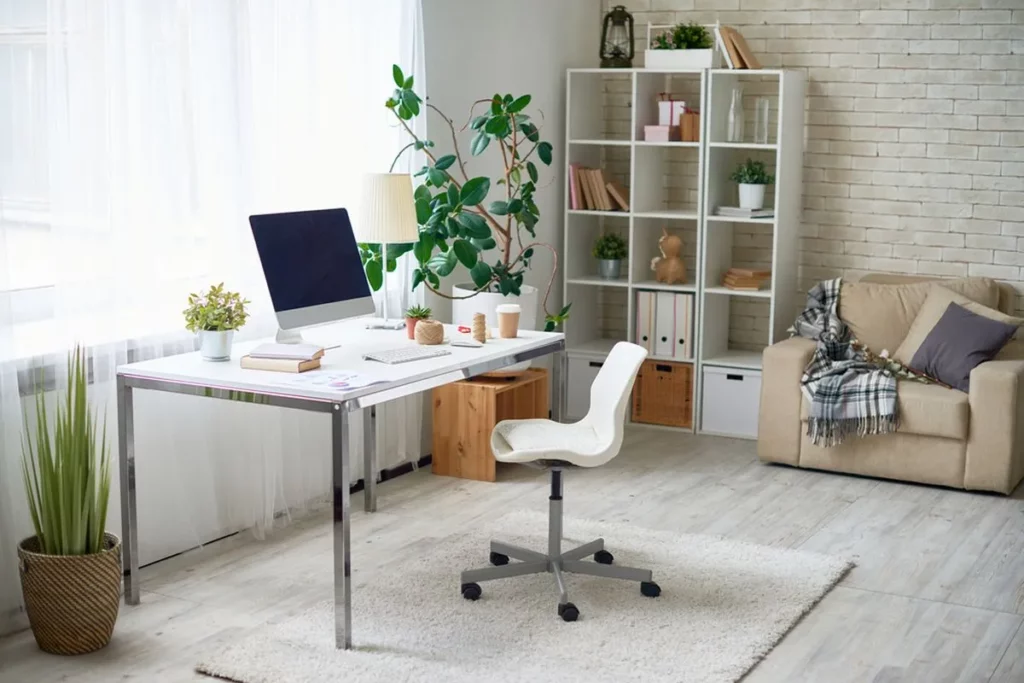
The global pandemic, which reshaped work paradigms just a few years ago, unequivocally demonstrated that working from home could be as productive as, if not more productive than, traditional office environments. As we advance into 2026, this profound shift has not only endured but has also spurred a wave of innovation in the design of home workspaces. The primary focus for this year extends beyond mere aesthetics, deeply integrating principles of ergonomics, productivity, wellness, and a vital connection to nature. According to leading interior design practitioners and workplace strategists, an optimal home office must be meticulously supported by ample natural lighting, state-of-the-art ergonomic furniture, and a layout thoughtfully engineered to foster comfort, concentration, and overall well-being. This comprehensive analysis delves into the inspirations, practical arrangement tips, and space-saving solutions necessary to cultivate a highly functional and comfortable home working environment, addressing the evolving needs of the modern remote professional.
The Chronology of Remote Work Transformation: From Necessity to Strategic Integration
The rapid transition to remote work in early 2020 was a global imperative, triggered by the COVID-19 pandemic. Initially, home offices were often makeshift arrangements, hastily assembled on kitchen tables, spare bedrooms, or even sofas, with little consideration for long-term comfort or specialized equipment. This period was characterized by adaptability and a steep learning curve for both employees and organizations as they navigated the complexities of virtual collaboration and productivity without the established infrastructure of a corporate office.
By 2021-2022, as the pandemic lingered, the temporary became more permanent. Employees began investing in basic home office furniture, such as dedicated desks and more comfortable chairs, recognizing the need for better setups. Companies also started to formalize remote work policies, acknowledging its potential for cost savings and broader talent pools. This era saw the emergence of hybrid work models, where employees split their time between home and office, demanding flexibility and seamless transitions.
As we moved into 2023-2024, the conversation shifted from merely "working from home" to "working from anywhere" and the concept of "digital nomadism" gained traction. The demand for integrated technological solutions, reliable connectivity, and aesthetically pleasing yet functional workspaces grew significantly. Homeowners and renters alike began prioritizing dedicated office spaces or flexible zones within their living arrangements, influencing real estate trends.
Now, in 2026, the home office is no longer a temporary fix but a strategic component of professional life. The design trends reflect a matured understanding of remote work’s psychological and physiological impacts. The emphasis is on creating holistic environments that support mental clarity, physical health, and sustained productivity, moving beyond simple functionality to embrace personalized sanctuaries that inspire creativity and reduce stress. This evolution is driven by a workforce that has experienced the benefits of flexibility and demands spaces that genuinely support their long-term professional aspirations and personal well-being.
Ergonomics and Well-being: A Non-Negotiable Foundation for Health and Productivity

The significance of an ergonomically designed workspace cannot be overstated, directly impacting the health of the spine, neck, and eyes, and consequently, overall productivity. Poor ergonomics is a leading cause of musculoskeletal disorders among office workers, a problem exacerbated by prolonged periods of remote work in suboptimal setups. According to a 2023 survey by the American Chiropractic Association, over 80% of remote workers reported experiencing new or worsened back and neck pain since the shift to home-based work, highlighting the critical need for proper ergonomic interventions.
Key ergonomic principles that must be meticulously observed in 2026 home office designs include:
- Adjustable Standing Desks: These are no longer a luxury but a fundamental component. The ability to alternate between sitting and standing throughout the day significantly reduces the risks associated with prolonged sitting, improves circulation, and can boost energy levels. Experts recommend standing for at least 15-30 minutes every hour.
- Ergonomic Chairs with Comprehensive Support: An ergonomic chair should offer adjustable height, seat depth, and tilt mechanisms, along with robust lumbar support, adjustable armrests, and a headrest. The goal is to maintain the natural S-curve of the spine, ensure feet are flat on the floor (or a footrest), and align arms parallel to the floor when typing.
- Monitor Positioning: The top of the monitor should be at or slightly below eye level, approximately an arm’s length away. This prevents neck strain and reduces eye fatigue. Dual monitor setups are increasingly common, enhancing multitasking capabilities, but their placement must also adhere to these guidelines.
- Keyboard and Mouse Ergonomics: Using an ergonomic keyboard and mouse can prevent carpal tunnel syndrome and repetitive strain injuries. The keyboard should be positioned directly in front of the user, allowing wrists to remain straight, while the mouse should be within easy reach, minimizing shoulder and arm strain.
- Proper Lighting: Beyond general room lighting, task lighting is crucial. A desk lamp that provides focused, glare-free illumination reduces eye strain, especially during evening work or for detailed tasks.
- Regular Movement and Breaks: Even with the best ergonomic setup, prolonged static postures are detrimental. Incorporating micro-breaks every 20-30 minutes, stretching, and a short walk every hour are vital for maintaining physical health and mental alertness.
Dr. Eleanor Vance, a certified ergonomist and consultant for corporate wellness programs, emphasizes, "Investing in ergonomic furniture is not an expense; it’s an investment in your long-term health and productivity. The cumulative effect of poor posture and repetitive strain can lead to chronic pain and decreased work efficiency. A well-designed ergonomic workspace is foundational to sustainable remote work."
Optimizing Space: Creative Solutions for Diverse Living Environments
The reality for many remote workers is the absence of a dedicated room for an office. This necessitates innovative spatial planning, particularly in apartments or smaller homes. Leveraging every available square foot efficiently is paramount. Experts in small-space living design advocate for transforming often-overlooked corners or transitional areas into highly functional workstations.
Here are several ingenious ideas for determining the optimal location and setup for a home office, catering to various space constraints:
- Corner Nooks: An underutilized corner can be transformed into a productive workstation. A custom-built L-shaped desk or a compact corner desk maximizes the footprint. Adding floating shelves above provides vertical storage without encroaching on floor space.
- "Cloffices" (Closet Offices): For homes with spare closets, converting one into an office is a brilliant space-saving hack. Remove the doors or install bifold doors, add a built-in or freestanding desk, shelves, and task lighting. This allows the workspace to be neatly tucked away when not in use, maintaining a clear separation between work and leisure.
- Wall-Mounted Desks: Ideal for hallways or small alcoves, wall-mounted desks can be fixed or fold-down, offering a workspace only when needed. These minimalist solutions keep the floor clear, enhancing the sense of openness.
- Under-Stair Spaces: The often-awkward space beneath a staircase can be reimagined as a cozy and surprisingly private office nook. Custom cabinetry and a built-in desk can integrate seamlessly, turning a dead space into a vibrant work zone.
- Mezzanines or Lofts: Homes with high ceilings can benefit from a mezzanine level. This creates a distinct, elevated workspace, offering a sense of separation and often benefiting from abundant natural light. While a more significant architectural undertaking, it provides an unparalleled dedicated office environment.
- Portable Partitions and Room Dividers: In open-plan living areas or shared rooms, aesthetic and acoustic partitions can create a temporary "room within a room." These can range from stylish folding screens to modular shelving units that delineate space while offering storage.
- Smart Furniture Integration: Consider desks that double as consoles, dining tables with integrated drawers, or beds with built-in workstations. The key is furniture that serves multiple purposes, adapting to the dynamic needs of modern living.
Acoustics also play a crucial role, especially in shared living spaces. Incorporating sound-absorbing materials like thick rugs, upholstered furniture, and wall art can mitigate noise distractions, creating a more focused environment. "The challenge isn’t just about fitting a desk," says Maya Chen, an architect specializing in urban living, "it’s about crafting an ecosystem where focus thrives amidst the demands of home life. Every inch counts, and creative solutions can unlock incredible potential."
Aesthetics and Ambience: Crafting Your Ideal Workspace

Beyond functionality, the aesthetic appeal and overall ambience of a home office significantly influence mood, creativity, and sustained engagement. Interior designers have identified several prominent styles for 2026, each offering a unique blend of visual appeal and psychological benefit. Choosing or blending these styles allows individuals to curate a space that genuinely reflects their personality and professional needs.
-
Biophilic Design: Connecting with Nature: This style leverages natural materials, light, and living elements to foster a sense of calm and well-being.
- Elements: Solid wood desks, stone accents, ample live plants (snake plants, ZZ plants, Pothos for low maintenance), large windows maximizing natural light and outdoor views. Natural fiber rugs and organic textures.
- Psychological Impact: Reduces stress, improves cognitive function, boosts creativity.
- Enhancements: Diffusers with essential oils like citrus for energy or lavender for calm. A small indoor water feature can add soothing sounds.
- Target User: Individuals seeking a tranquil, restorative environment to reduce digital fatigue.
-
Modern Minimalism: Clarity and Focus: Emphasizing clean lines, uncluttered surfaces, and a neutral palette, this style promotes visual serenity and minimizes distractions.
- Elements: Sleek, thin-profile desks with metal legs, integrated cable management, floating shelves, and smart, hidden storage. A predominantly white, grey, or beige color scheme, often with subtle black accents.
- Psychological Impact: Enhances focus, promotes organization, creates a sense of spaciousness.
- Enhancements: Integrated LED strip lighting for a clean look, smart devices seamlessly integrated.
- Target User: Professionals who thrive in an organized, distraction-free environment and appreciate sophisticated simplicity.
-
Artistic & Expressive: Fueling Creativity: This vibrant style is designed to inspire and energize, making it ideal for creative professionals.
- Elements: Walls adorned with favorite artworks, motivational posters, or a dynamic gallery wall. Bold, playful colors for accent chairs or accessories. Open shelving displaying art supplies, books, or quirky collectibles.
- Psychological Impact: Stimulates imagination, encourages unconventional thinking, personalizes the space deeply.
- Enhancements: A large whiteboard or corkboard for brainstorming, unique lighting fixtures, ergonomic chairs in unexpected colors.
- Target User: Artists, writers, graphic designers, or anyone whose work benefits from a stimulating and personalized environment.
-
Classic Elegance: Timeless Sophistication: This style exudes warmth, luxury, and a sense of gravitas, often evoking a traditional study or library.
- Elements: Robust solid wood desks (e.g., mahogany, walnut), leather executive chairs, rich, deep color palettes (forest green, navy blue, burgundy). Soft fabric lampshades, antique maps or framed prints, and a small Persian or Oriental rug.
- Psychological Impact: Fosters a sense of gravitas, encourages deep concentration, and provides a timeless, comfortable backdrop.
- Enhancements: Integrated bookshelves for an extensive personal library, subtle ambient lighting, high-quality, tactile materials.
- Target User: Academics, lawyers, executives, or those who appreciate a traditional, refined, and intellectually stimulating workspace.
-
Multifunctional Marvels: Space-Saving Ingenuity: Essential for smaller homes, this approach integrates the office into other living areas without compromising aesthetics or utility.
- Elements: Folding desks, modular wall units that conceal a workstation, chairs that can be tucked away or serve as additional seating. Sofa beds or daybeds that transform into comfortable break areas.
- Psychological Impact: Reduces clutter, maintains flexible living spaces, encourages a clear separation between work and leisure when the space is "closed."
- Enhancements: Vertical storage solutions like pegboards, wall-mounted organizers, and hidden compartments.
- Target User: Residents of studio apartments, small homes, or families needing flexible spaces that adapt to changing daily needs.
-
Industrial Chic: Edgy and Efficient: Characterized by raw materials and a utilitarian aesthetic, this style offers a modern, urban edge.
- Elements: Exposed brick or concrete walls, metal shelving, raw wood desktops, and industrial-style lighting fixtures (e.g., pendant lamps with metal cages). A monochromatic palette with pops of deep, earthy tones.
- Psychological Impact: Promotes a sense of groundedness, resilience, and a no-nonsense approach to work.
- Enhancements: Strategic placement of green plants to soften the hard edges, an ergonomic chair with a contemporary design.
- Target User: Creatives, tech professionals, or individuals who appreciate a bold, urban, and authentic aesthetic.
-
Resort & Relaxation: Serenity for Productivity: Inspired by luxury spas and wellness retreats, this style focuses on creating a calm, restorative environment.

- Elements: Soft pastel color palettes (mint green, sky blue, blush pink), plush ergonomic chairs, soft carpets or sheepskin throws, and ample aromatherapy diffusers. Minimalist decor focusing on natural textures and calming patterns.
- Psychological Impact: Reduces stress, promotes a sense of peace, and encourages mindful work practices.
- Enhancements: A "vision board" or a digital whiteboard for goal setting, soothing background music, and comfortable seating for breaks.
- Target User: Individuals prone to stress, those in demanding roles, or anyone seeking a sanctuary-like workspace.
-
Smart Home Integration: The Connected Office: While not a standalone aesthetic, this is a crucial underlying theme for all 2026 designs.
- Elements: Voice-activated lighting and temperature control, smart plugs for managing devices, integrated charging stations, and seamless connectivity to virtual assistants. Automated blinds for light management.
- Psychological Impact: Enhances efficiency, reduces friction, and allows for a more personalized and responsive environment.
- Enhancements: Biometric security for sensitive documents, smart displays for productivity dashboards.
- Target User: Tech-savvy individuals and professionals who prioritize efficiency and a highly integrated digital workflow.
The Science of Light and Color: Influencing Mood and Productivity
The interplay of lighting and color within a home office is a powerful, yet often underestimated, determinant of productivity, mood, and overall well-being. Research consistently demonstrates that a thoughtfully lit and colored space can enhance focus, reduce eye strain, and even regulate circadian rhythms.
For lighting, natural light is the gold standard. Positioning the desk near a window allows for maximum exposure to daylight, which is crucial for regulating the body’s natural sleep-wake cycle and boosting mood. However, direct, harsh sunlight can cause glare. The solution lies in using thin, sheer curtains or blinds that filter intense sunlight, diffusing it into a soft, even glow, maintaining brightness without excessive heat or glare. If a desk cannot be placed by a window, mimicking natural light with advanced artificial lighting is essential.
Beyond general ambient lighting, task lighting is indispensable. A dedicated desk lamp provides focused illumination for reading, writing, or detailed computer work, preventing shadows and reducing eye fatigue. Modern task lamps often come with adjustable brightness and color temperature settings, allowing users to tailor the light to specific activities or times of day. For evening work, lamps with features that can shift to warmer (lower Kelvin) temperatures are beneficial, as cooler (higher Kelvin) blue light can disrupt melatonin production and sleep patterns. LED strip lighting under shelves or cabinets can also provide evenly distributed, subtle illumination, especially useful in compact spaces.
Color psychology plays a significant role in influencing the atmosphere of a workspace:
- White, Cream, and Pastel Tones: These light colors create an illusion of spaciousness, making smaller rooms feel larger and brighter. They also provide a neutral backdrop that reduces visual clutter and promotes mental clarity.
- Blue and Green Hues: Known for their calming and serene effects, shades of blue and green can reduce stress and promote focus, making them ideal for tasks requiring concentration. A light sage green or a soft sky blue can create a tranquil yet stimulating environment.
- Yellow and Orange Accents: While too much can be overwhelming, strategic accents of warm colors like yellow or orange can inject energy, creativity, and optimism into a space. These are excellent choices for decorative items, a single accent wall, or office accessories to provide a mental boost.
- Grey: A versatile neutral, grey can be sophisticated and calming. Lighter greys can enlarge a space, while darker greys offer a more grounded feel, often paired with brighter accents to prevent dullness.
"The right lighting and color scheme aren’t just decorative choices; they are fundamental ergonomic and psychological tools," states Dr. Anya Sharma, an environmental psychologist. "A well-lit, thoughtfully colored space can significantly reduce stress, improve concentration, and directly contribute to higher levels of job satisfaction and productivity."
Intelligent Storage and Organization: Beyond Clutter

An organized home office is a prerequisite for a productive one. Clutter not only creates visual noise but also mental distraction, hindering focus and efficiency. In 2026, storage solutions are increasingly vertical, modular, and seamlessly integrated, designed to maximize space while maintaining a clean aesthetic.
- Vertical Storage Maximization: Wall-mounted shelving units, tall bookcases, and even pegboards are crucial for utilizing vertical space. Pegboards, in particular, offer flexible storage for stationery, small tools, and cables, keeping the desk surface clear.
- Modular Cabinetry: Systems with interchangeable components allow for customization as needs evolve. These can include open shelves, closed cabinets, and drawers, providing a versatile approach to organization.
- Integrated Cable Management: The proliferation of devices means a tangle of cables is a common problem. Desks with built-in cable trays, grommets, and channels are essential. Wireless charging pads integrated into desk surfaces further reduce cable clutter.
- Multi-functional Furniture with Hidden Storage: As mentioned, furniture that serves dual purposes is invaluable. This includes desks with integrated drawers, ottomans with storage compartments, or chairs with hidden storage beneath the seat.
- Digital Organization Integration: While physical storage is vital, the modern office also relies heavily on digital organization. Systems for cloud storage, digital archiving, and efficient file management should complement the physical setup, minimizing the need for paper.
- Security for Sensitive Documents: For professionals handling confidential information, lockable drawers or small, secure cabinets are imperative, especially in homes with children or shared living arrangements.
"Effective storage isn’t just about putting things away; it’s about making everything accessible while maintaining a sense of order and calm," explains Ben Carter, a product designer for modular furniture solutions. "The goal is to eliminate visual and mental distractions, allowing the user to focus solely on their work."
Cultivating Productivity: Daily Habits for Remote Success
Even the most impeccably designed home office requires consistent routines and strategies to foster sustained productivity. The blurred lines between work and home life, a common challenge of remote work, necessitate deliberate practices to maintain focus and well-being.
- Establish a Consistent Routine: Mimic the structure of an office workday. Start and end at similar times, take designated breaks, and establish a pre-work ritual (e.g., exercise, coffee) and a post-work ritual to signal the transition.
- Minimize Digital Distractions: Use productivity apps that block distracting websites, put your phone on silent, and disable unnecessary notifications during focused work periods.
- Take Regular, Mindful Breaks: Implement techniques like the Pomodoro Method (25 minutes of work, 5 minutes of break). Use breaks to move, stretch, look away from the screen, or step outside, rather than just switching to another screen.
- Set Clear Boundaries: Communicate your work hours to family members and friends. If possible, physically close off your workspace at the end of the day to create a clear separation between professional and personal life.
- Invest in Reliable Technology: A fast internet connection, a dependable computer, and quality peripherals (webcam, microphone) are non-negotiable for seamless remote work.
- Personalize Your Space: Incorporate elements that inspire you, whether it’s family photos, a piece of art, or a favorite plant. A personalized space enhances comfort and motivation.
- Maintain Organization: Regularly declutter your physical and digital workspace. A clean environment promotes a clear mind.
- Incorporate Wellness Elements: Beyond ergonomics, consider adding an air purifier, a balanced diet, and hydration to your daily routine. Mindfulness exercises or short meditation breaks can also refresh the mind.
Expert Perspectives and Industry Insights
The shift to sophisticated home office design is not merely a trend but a reflection of a fundamental change in how and where people work. Interior design experts universally agree on the enduring nature of this transformation. "We’re past the novelty phase of remote work," says Sarah Jenkins, head designer at ‘Urban Sanctuary Interiors.’ "Clients now understand that their home office isn’t just a desk; it’s an ecosystem crucial for their career and mental health. The demand for integrated, health-centric, and aesthetically pleasing solutions has never been higher."
Furniture manufacturers are responding with innovative products. Companies like Herman Miller and Steelcase continue to lead in ergonomic seating and adjustable desks, but a new wave of brands is emerging, focusing on modularity, sustainable materials, and smart technology integration. "The market is moving towards ‘furni-tech’ – furniture that’s not just comfortable but also intelligent," states David Lee, CEO of ‘FlexiWork Solutions,’ a startup specializing in adaptable home office systems. "Think desks with built-in biometric security, chairs that learn your posture, and lighting systems that adjust based on natural light conditions."
Psychologists emphasize the importance of autonomy and control over one’s workspace. "The ability to customize your work environment significantly impacts job satisfaction and perceived control, which are vital for reducing burnout in remote settings," notes Dr. Emily Carter, a workplace psychology researcher. "Biophilic elements, personalized decor, and even the choice of lighting contribute to a sense of ownership and comfort that translates into better mental health outcomes."

Market data further supports these trends. A 2025 report by Statista projected that the global home office furniture market would exceed $15 billion by 2027, driven by sustained remote and hybrid work models. This growth is paralleled by an increasing demand for smart home technology and professional-grade office equipment for residential use.
The Broader Implications: Reshaping Homes, Work, and Society
The continued evolution of home office design has far-reaching implications that extend beyond individual productivity and comfort.
- Real Estate Market: There’s a discernible shift in demand for residential properties. Homes with dedicated office spaces, flexible rooms, or even outdoor office pods are becoming highly sought after. This influences architectural design, with new constructions often incorporating explicit workspace provisions.
- Environmental Impact: A sustained reduction in daily commutes contributes to lower carbon emissions and reduced traffic congestion, offering significant environmental benefits. This aligns with broader sustainability goals.
- Socio-economic Shifts: Remote work can decentralize economic activity, potentially revitalizing rural areas and reducing pressure on overcrowded urban centers. It also broadens access to employment for individuals with mobility challenges or caregiving responsibilities.
- Corporate Culture: Companies are being forced to rethink traditional office spaces, converting them into collaboration hubs rather than daily workstations. The focus is shifting to fostering community and innovation during in-person interactions, while deep work is often done remotely.
- Challenges: Despite the benefits, challenges remain, including potential for social isolation, difficulty in establishing work-life boundaries for some, and ensuring equitable access to technology and suitable home environments for all employees.
Conclusion: The Future is Flexible, Functional, and Personal
The design of home offices in 2026 offers a rich tapestry of choices, each meticulously tailored to individual lifestyles, professional demands, and personal preferences. The underlying principle is a harmonious blend of uncompromising ergonomics, the soothing presence of natural light, and the invaluable touch of personalization. Whether one gravitates towards the clean lines of modern minimalism, the rugged authenticity of industrial chic, or the serene calm of a resort-inspired sanctuary, the core truth remains: optimal productivity springs from a foundation of profound comfort and thoughtful design. By meticulously planning and investing in the right setup, a home office transcends its functional role, transforming into a cherished personal space—a wellspring of creativity, innovation, and sustained professional accomplishment. The future of work is undeniably flexible, highly functional, and deeply personal, and our home workspaces are evolving to meet this promising new reality.








