Nila Kartika Wati
The World Health Organization has officially declared a hantavirus outbreak following a series of fatalities linked to the Dutch-flagged cruise ship MV Hondius, an incident that has cast a spotlight on the rising prevalence of the virus across Southeast Asia, particularly in Indonesia. On May 4, 2026, the WHO confirmed that three deaths among passengers were caused by hantavirus, marking the beginning of an international health investigation into a total of 11 reported cases. The ship, which had been navigating the remote waters of the South Atlantic and Antarctica, has become the center of a complex epidemiological puzzle involving multiple continents and varying strains of the virus.
The timeline of the outbreak began in early April 2026. The MV Hondius made a scheduled stop in Ushuaia, Argentina—the world’s southernmost city and a primary gateway for Antarctic expeditions—on April 1. From there, the vessel proceeded toward the Antarctic Peninsula and several scenic islands in the South Atlantic. However, the voyage took a tragic turn on April 11, when the first passenger died on board after a brief illness. The situation escalated when a second passenger, who had already disembarked and was in the process of boarding a flight home from South Africa on April 26, collapsed and died. A third fatality occurred on the ship itself on May 2. These events prompted the WHO to intervene, leading to the positive identification of hantavirus as the causative agent.
While the MV Hondius did not dock in Indonesian waters, the incident has triggered a sharp increase in vigilance across the archipelago. The Indonesian Ministry of Health has confirmed that while the country has not yet recorded cases of Hantavirus Pulmonary Syndrome (HPS)—the more lethal manifestation of the virus frequently seen in the Americas—there has been a significant uptick in Haemorrhagic Fever with Renal Syndrome (HFRS). Although HFRS generally carries a lower mortality rate than HPS, its increasing frequency in Indonesia is a cause for national concern.
Rising Trends and Regional Dominance
The scale of the threat in Indonesia was recently underscored by a comprehensive study published on March 12, 2026, in the journal PLOS Neglected Tropical Diseases. The report, titled “Studies on prevalence of Hantavirus in small mammals in Southeast Asia: A systematic review and meta-analysis,” identifies Indonesia as the primary hantavirus hotspot in Southeast Asia. Conducted by a team led by Zixiao Guo from Hainan Medical University, the research provides a chilling statistical overview of the virus’s footprint in the region.

According to the meta-analysis, the combined prevalence rate of hantavirus in small mammals across Southeast Asia stands at 6.07 percent. However, Indonesia’s figures are significantly higher, reaching a prevalence of 17.49 percent. This is followed by Singapore at 10.53 percent, Cambodia at 5.50 percent, and Thailand at 4.36 percent. The study highlights that Indonesia’s vast agricultural landscapes and tropical climate, combined with Singapore’s high population density and urban waste challenges, create the "perfect storm" for hantavirus transmission.
In Indonesia, the data from the Ministry of Health for the period of 2024 to 2026 reflects this upward trend. Health officials have recorded 256 suspected cases, with 23 confirmed HFRS infections spread across several provinces, including Jakarta, West Java, Yogyakarta, North Sulawesi, West Sumatra, and East Nusa Tenggara. The trajectory of confirmed cases is particularly alarming: from a single case in 2024, the number rose to 17 in 2025, with five additional cases already confirmed in the first five months of 2026.
The Science of Transmission and Vektor Dynamics
Hantaviruses are a family of viruses spread mainly by rodents. Unlike many other viral threats, hantavirus is not typically transmitted from person to person, with the notable exception of the Andes virus strain in South America. Instead, humans become infected through contact with the urine, feces, or saliva of infected rodents. The most common route of infection is airborne transmission—inhaling tiny droplets or dust particles contaminated with rodent waste, a process known as aerosolization.
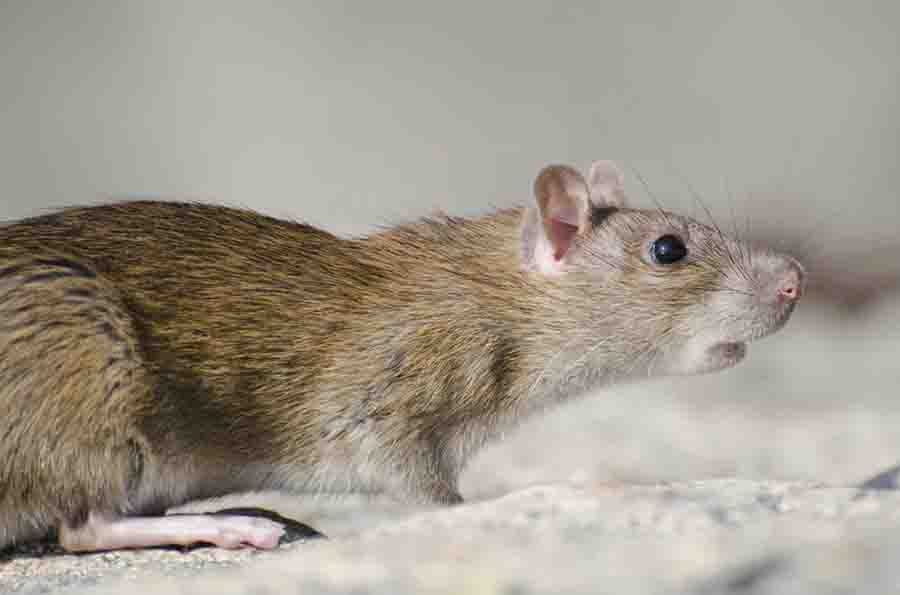
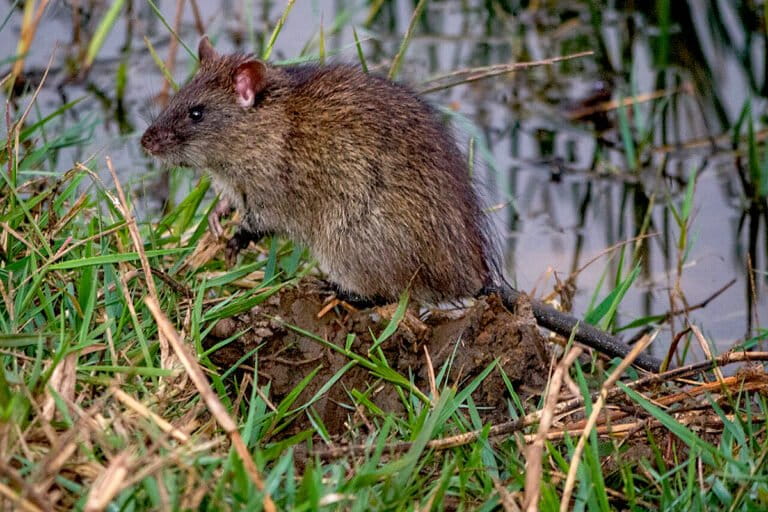
The PLOS meta-analysis identified several key species as the primary vectors in Southeast Asia. These include Rattus norvegicus (the brown or Norway rat), Bandicota indica (the greater bandicoot rat), Rattus rattus (the common house rat), and Suncus murinus (the house shrew). Among these, Rattus norvegicus was found to have the highest prevalence of the virus. This species is particularly dangerous due to its high adaptability, wide distribution in both urban and rural environments, and its tendency to live in close proximity to human dwellings.
The researchers noted that the geographical positioning of Indonesia and Singapore near the equator provides a warm and humid environment that is ideal for these mammals to thrive year-round. This climate not only supports larger rodent populations but also potentially extends the survival time of the virus in the environment outside of a host.
Clinical Manifestations: HPS vs. HFRS
Understanding the danger of hantavirus requires a distinction between its two primary clinical forms. The Ministry of Health in Indonesia and the WHO have emphasized that the impact of the virus depends heavily on the strain involved.
-
Haemorrhagic Fever with Renal Syndrome (HFRS): This form is more common in Europe and Asia. It primarily affects the kidneys and presents with symptoms such as intense headaches, back and abdominal pain, fever, chills, nausea, and blurred vision. In severe cases, it can lead to acute kidney failure. The mortality rate for HFRS in Indonesia is estimated to be between 5 and 15 percent.
-
Hantavirus Pulmonary Syndrome (HPS): Predominantly found in North and South America, this form is significantly more aggressive. It attacks the respiratory system, causing the lungs to fill with fluid. The progression is often rapid, leading to severe respiratory distress and heart failure. The mortality rate for HPS can be as high as 50 to 60 percent.
The deaths associated with the MV Hondius are particularly concerning because they occurred in a region known for the Andes virus, a strain of HPS. This highlights the risk to international travelers who may unknowingly enter habitats where these highly lethal strains are endemic.
Public Health Response and Preventive Measures
In response to the growing data, Indonesian health experts are calling for a shift in how the public perceives rodent control and household hygiene. Hera Nirwati, a Professor at the Department of Microbiology at Gadjah Mada University (UGM), has warned that the risk of infection is highest during activities that disturb accumulated rodent waste.
"The risk increases significantly when people clean out old warehouses, vacant houses, or damp, dusty rooms that have been infested by rats," Professor Nirwati explained. She stressed that traditional cleaning methods can actually increase the risk of infection. "Never sweep dry rat droppings. This causes the virus particles to become airborne, where they can easily be inhaled. Instead, the area should be thoroughly soaked with a disinfectant or a bleach solution before being cleaned with a damp cloth or mop."
The Ministry of Health has also reinforced the importance of "rat-proofing" homes and food storage areas. This includes sealing entry points as small as half an inch, ensuring trash is stored in tightly sealed containers, and eliminating outdoor clutter that can serve as nesting grounds for rodents.
Currently, there is no specific cure, vaccine, or antiviral treatment for hantavirus infection. Medical management is purely supportive, focusing on maintaining fluid balance, supporting kidney function in HFRS cases, and providing oxygen or mechanical ventilation for HPS cases. Early hospitalization and intensive care are the most critical factors in improving survival rates.
Broader Implications and Environmental Factors
The rise of hantavirus in Southeast Asia is not an isolated biological event but is deeply intertwined with environmental and socio-economic changes. Rapid urbanization in cities like Jakarta has led to increased population density and, in some areas, inadequate waste management systems that provide abundant food sources for rodents. Conversely, the expansion of agricultural land in rural Indonesia brings humans into more frequent contact with wild rodent populations.
The meta-analysis by Guo and his team suggests that the high prevalence in Indonesia is also a reflection of high biodiversity. While more host species can mean more types of viruses, the "dilution effect" theory suggests that high biodiversity should technically lower the risk of transmission to humans. However, in areas where human activity has disrupted these ecosystems, the dominant, highly adaptable species like Rattus norvegicus take over, increasing the viral load in environments shared with people.

Furthermore, the MV Hondius incident serves as a reminder of the role of global travel in the spread and monitoring of zoonotic diseases. As tourism expands into increasingly remote areas like the Antarctic and sub-Antarctic islands, the interface between humans and wildlife—and their respective pathogens—broadens.
The WHO and the Indonesian Ministry of Health are continuing to monitor the situation closely. For Indonesia, the challenge lies in strengthening laboratory capacity to quickly distinguish hantavirus from other endemic diseases with similar initial symptoms, such as leptospirosis or dengue fever. As the data suggests, the threat of hantavirus is no longer a distant concern but a present reality that demands a robust, coordinated response in environmental management and public health education. The "hotspot" status of the region serves as a call to action: the next major health crisis may not come from a laboratory, but from the shadows of a neglected warehouse or the corners of a poorly managed urban center.