Nila Kartika Wati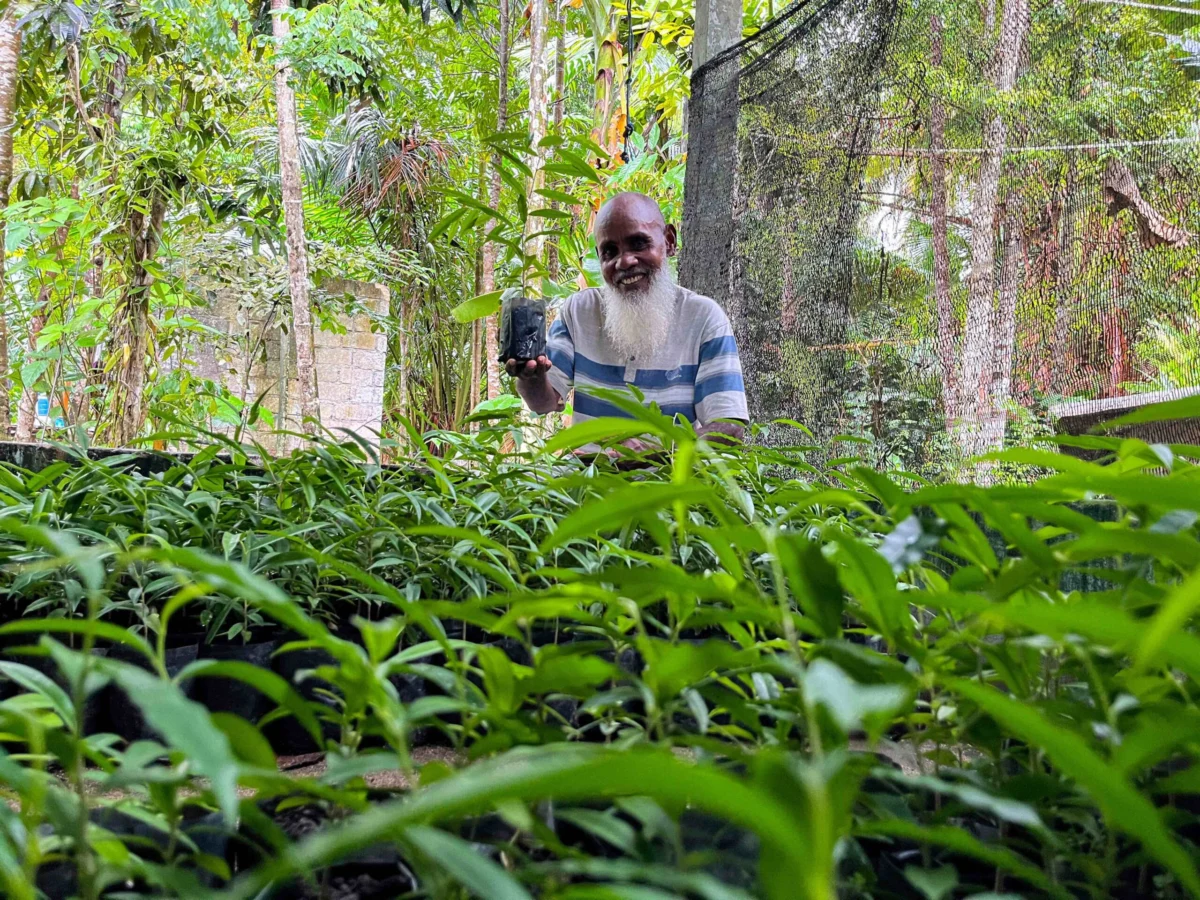
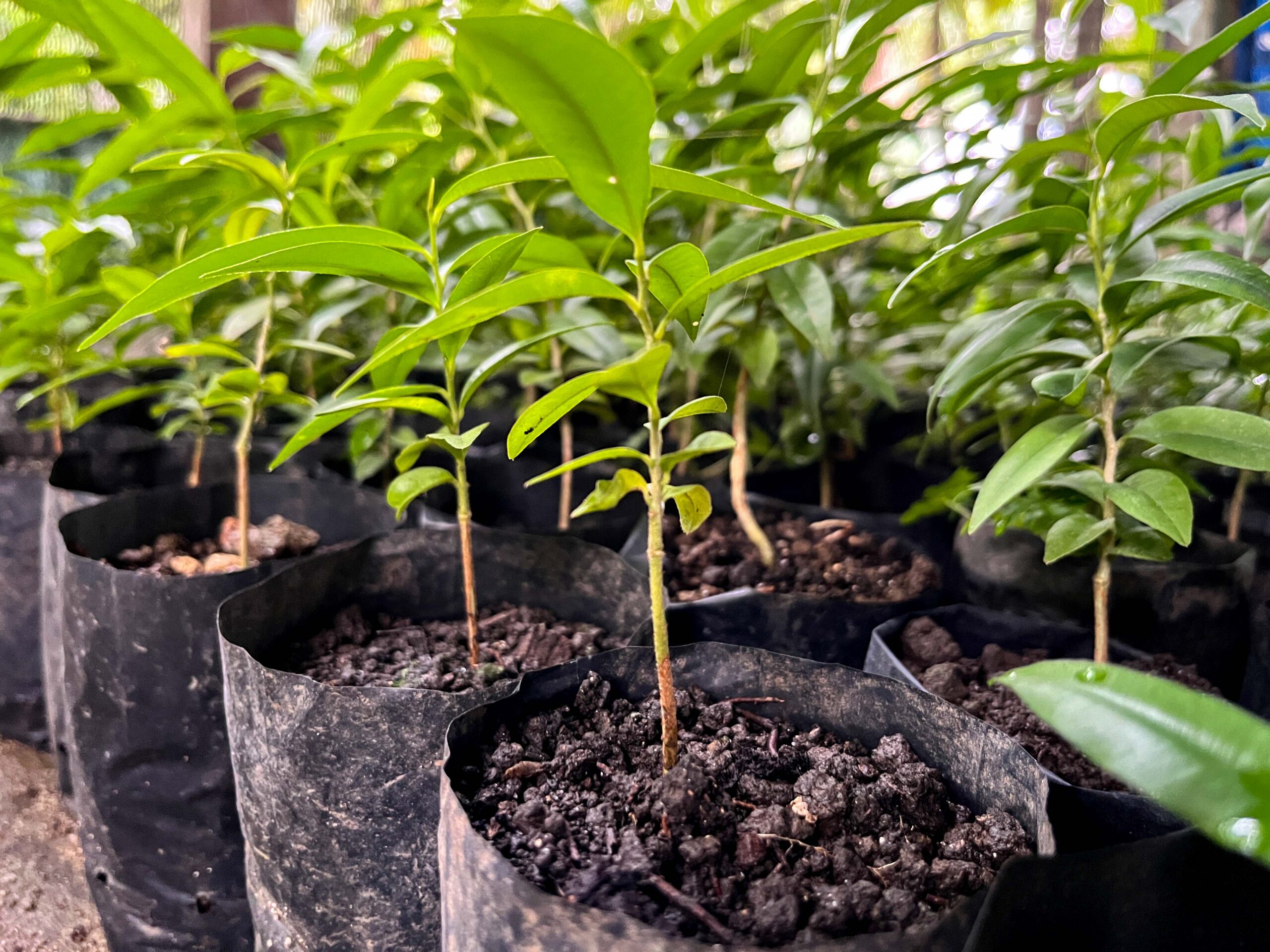
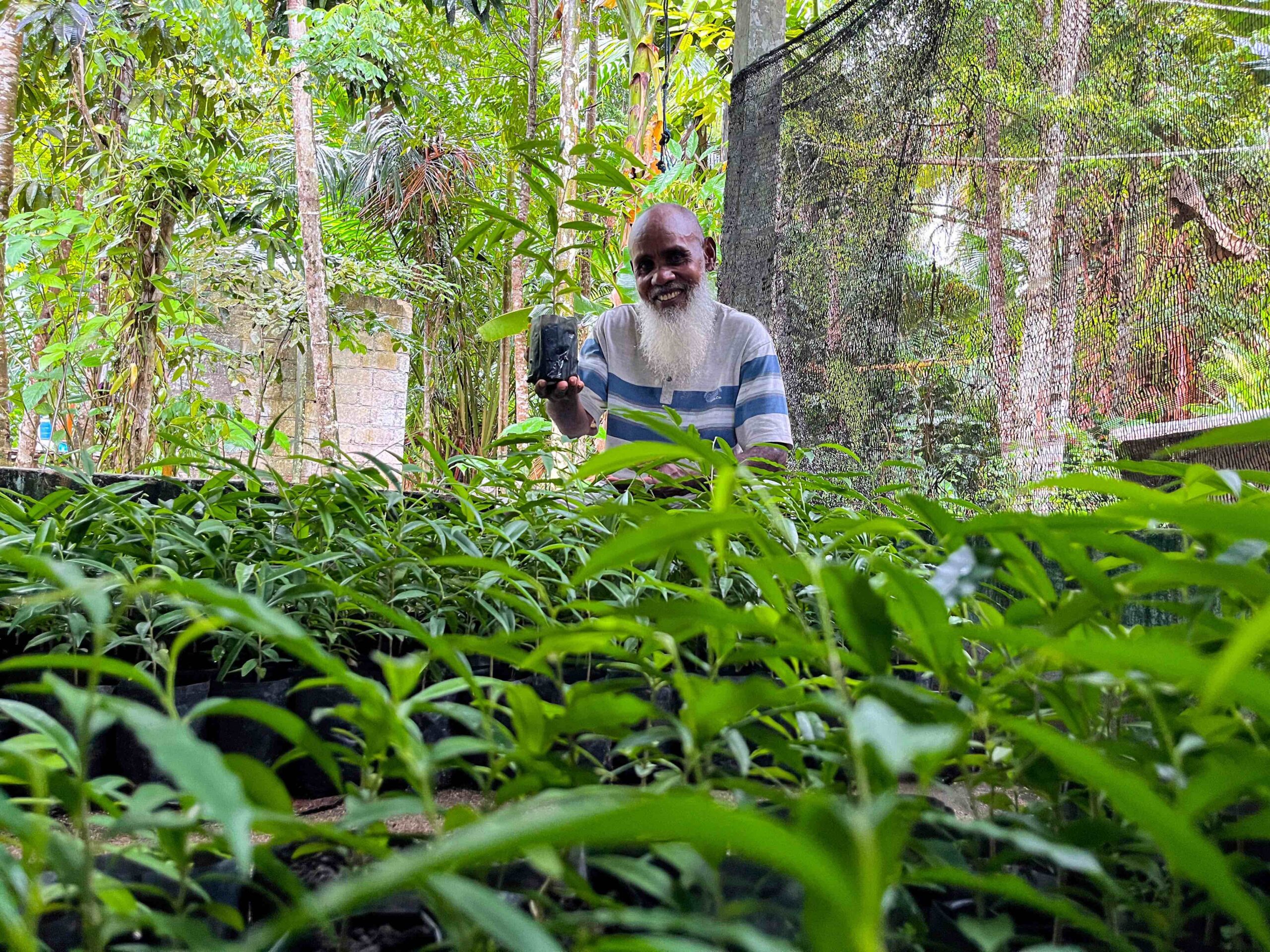
In the quiet coastal expanse of Imbari Village, nestled within the Warsa District of Biak Numfor Regency, 67-year-old John Wompere stands as a testament to the transformative power of patience and ecological stewardship. Beside his modest home, a nursery bed measuring roughly four by four meters houses neat rows of small black polybags, each containing a fragile yet potent promise of the future. With weathered but steady hands, Wompere points to the saplings, his face brightening with the pride of a man who has spent more than two decades coaxing life from the soil. These are gaharu—agarwood—the "liquid gold" of the forest, a commodity that has not only redefined Wompere’s livelihood but has also begun to reshape the environmental and economic landscape of Biak Island.
The story of John Wompere is not merely one of agricultural success; it is a narrative of a profound shift from the exploitative mindset of "quick profit" to a philosophy of long-term sustainability. For over twenty years, Wompere has cultivated thousands of agarwood trees, navigating the complexities of a plant that is as temperamental as it is valuable. In doing so, he has moved beyond the traditional, often destructive, methods of agarwood harvesting to create a model of community-based agroforestry that balances economic gain with the preservation of Papua’s rich biodiversity.
The Genesis of a Vision: From Papua New Guinea to Biak
Wompere’s journey into the world of agarwood began in the early 2000s during a period of migration to neighboring Papua New Guinea. At the time, the agarwood trade was experiencing a feverish boom. He witnessed firsthand the influx of traders and "hunters" who ventured deep into the primary rainforests in search of the elusive, resin-drenched wood. The lure was simple: a single kilogram of high-quality agarwood could fetch thousands of dollars on the international market.
"I heard that if you sold it, the price was very high. That is what made me curious," Wompere recalls. Initially, his motivations were aligned with those of his peers—a desire for rapid financial gain. However, upon returning to his home in Biak, he realized that the wild-harvesting model was fundamentally flawed. It relied on chance, often resulted in the death of healthy trees that did not contain the resin, and contributed to the rapid depletion of natural forest stocks.
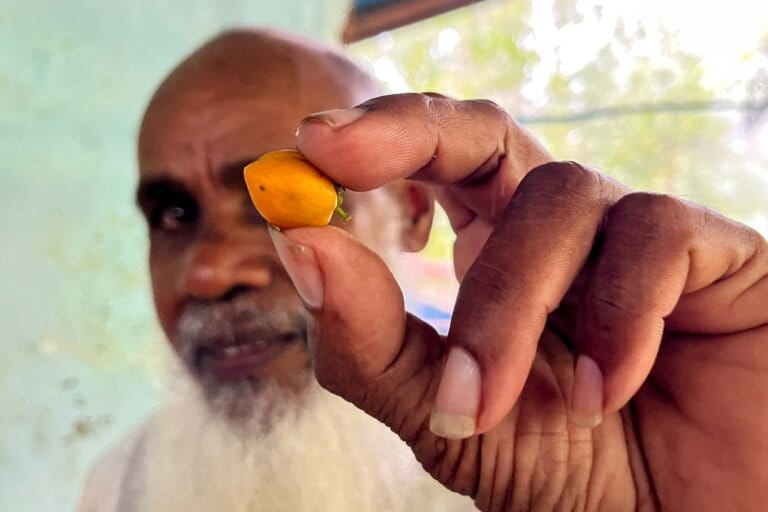
Driven by a self-taught curiosity, Wompere began to experiment with cultivation. He sought to understand the biological mechanisms of the Aquilaria tree, the genus responsible for producing agarwood. Through trial and error, he mastered the art of seed collection, nursery management, and transplanting. He learned that gaharu is not a crop for the impatient. It is a slow-growing investment that demands years of care before yielding its most prized treasures. This realization became the cornerstone of his approach: agarwood, he maintains, is a teacher of patience.
The Science and Economics of "Gubal" and Beyond
To understand the significance of Wompere’s work, one must understand the nature of agarwood itself. Agarwood is the resinous heartwood that forms in Aquilaria and Gyrinops trees as a defensive response to infection by specific molds or microbial attacks. This resin, known as "gubal," is dense, dark, and highly aromatic. When burned or distilled into oil (oud), it produces a complex fragrance that has been prized for millennia in Middle Eastern, Chinese, and Japanese cultures for use in perfumes, incense, and traditional medicine.
Wompere focuses on two primary species: Aquilaria malaccensis and Aquilaria filaria. The latter is particularly significant as it is indigenous to the eastern regions of Indonesia, including Papua. However, Wompere’s innovation lies in his refusal to focus solely on the elusive gubal. In the wild, only a small percentage of trees naturally produce high-grade resin, leading many hunters to cut down hundreds of trees in vain.
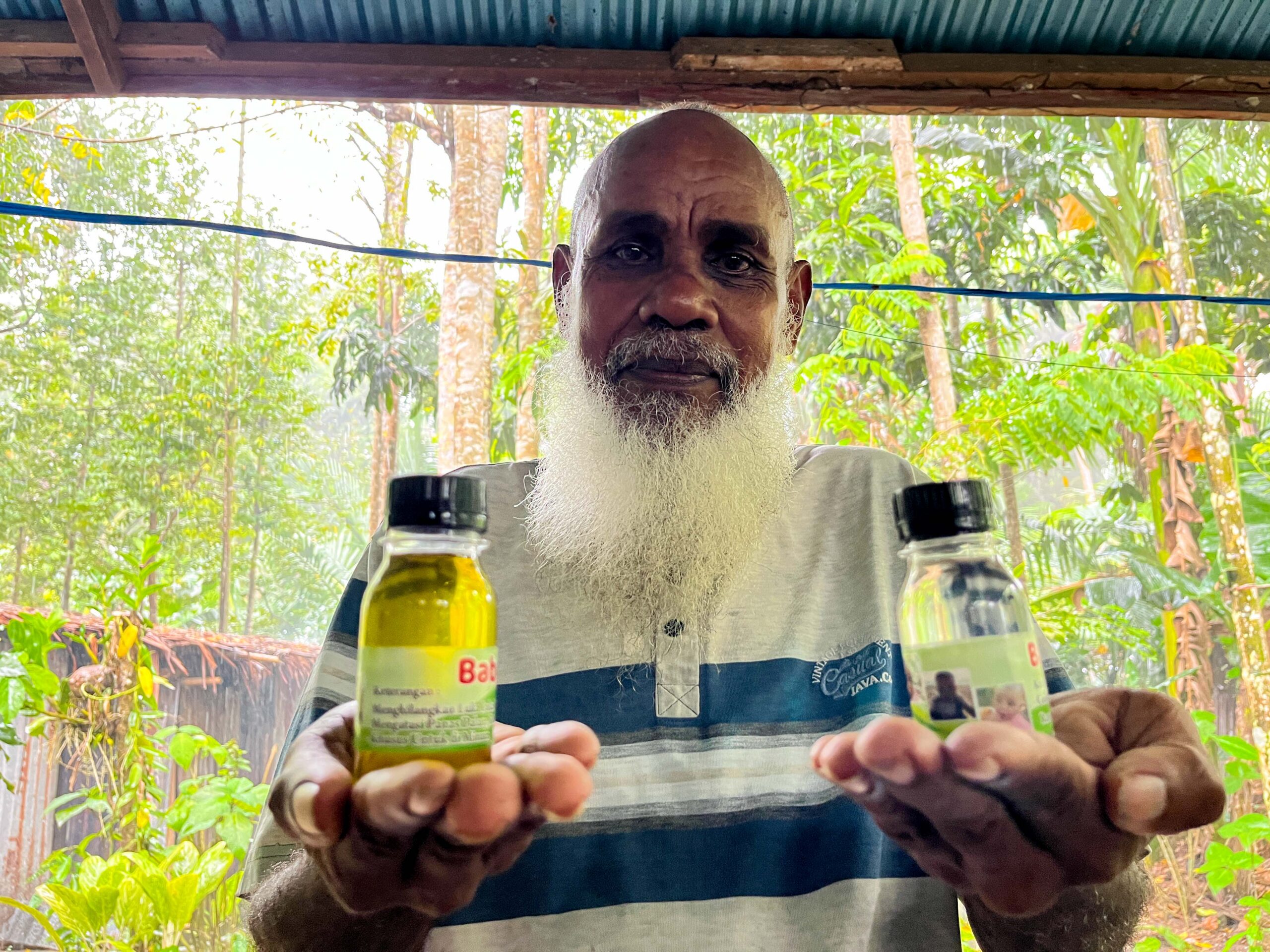
Wompere recognized that the entire tree holds value. While waiting for the resin to form—a process that can take 15 to 20 years or require artificial inoculation—he began exploring the economic potential of the leaves, bark, and younger wood. Within one to five years of planting, the leaves can be harvested and processed. Wompere has developed a range of derivative products, including herbal oils infused with virgin coconut oil (VCO), baby oils, soaps, and agarwood tea.
This "zero-waste" or "multi-product" approach provides a steady stream of income long before the heartwood is ready for harvest. Currently, Wompere’s modest home-based distillery produces up to 200 liters of leaf-distilled oil per month. These products have found their way to regional exhibitions and have even been carried by enthusiasts to European markets. Despite the high demand, Wompere faces the perennial challenge of small-scale producers: limited processing technology. He is currently seeking strategic partnerships to modernize his equipment and scale his production to meet international standards.
Restoring the Karst Landscape: The Environmental Impact
Biak Island is characterized by its unique geography, dominated by karst formations and limestone-rich soils. While many crops struggle in such alkaline conditions, Wompere discovered that agarwood thrives there. The combination of limestone, sand, and high phosphorus content in the Biak soil provides an ideal substrate for Aquilaria filaria.
His efforts took a communal turn with the formation of the Kelompok Tani Hutan (KTH) Sadar Sendiri (the "Self-Aware" Forest Farmer Group). Wompere began distributing seedlings to his neighbors, encouraging them to view their backyards and fallow lands not as empty spaces, but as potential "green banks." Initially met with skepticism—many villagers could not fathom planting a tree that would take decades to mature—the group eventually gained momentum.
To date, Wompere and the Sadar Sendiri group have successfully planted over 80,000 agarwood seedlings across the district. This massive reforestation effort serves a dual purpose. Economically, it creates a future asset for the village. Ecologically, it acts as a restoration project. The trees help maintain land cover, improve soil quality, and enhance the water-retention capacity of the karst landscape, which is vital for protecting the local community’s water sources. By domesticating the plant, Wompere is also reducing the pressure on the remaining wild populations of Aquilaria, which are currently protected under CITES (Convention on International Trade in Endangered Species of Wild Fauna and Flora) Appendix II.
National Recognition and the Kalpataru Award
The impact of Wompere’s work did not go unnoticed by the Indonesian government. In 2014, John Wompere was honored with the Kalpataru Award, the nation’s highest environmental accolade, in the "Environmental Motivator" (Pembina Lingkungan) category. The award recognized his two decades of dedication to restoring the environment through the sustainable cultivation of a high-value forest commodity.
Following the receipt of the Kalpataru, Wompere’s profile rose significantly. He became a sought-after speaker and consultant, traveling from the provincial capital of Jayapura to the national stage in Jakarta, and even as far as Banda Aceh, to share his expertise on agarwood cultivation. Despite this fame, his daily routine remains largely unchanged. He continues to spend his mornings in the nursery, where he produces approximately 500 seedlings per cycle, selling them for a modest Rp25,000 (roughly $1.60) each to ensure they remain accessible to local farmers.
Broader Implications for Papua’s Development
Wompere’s model offers a compelling alternative to the extractive industries that have long dominated the Papuan economy, such as mining and large-scale logging. Agroforestry—specifically the cultivation of high-value endemic species like agarwood—allows local communities to retain land rights while generating significant wealth.
From an analytical perspective, Wompere’s work highlights several key factors for successful rural development in Indonesia:
- Innovation in Product Diversification: By moving away from the "all-or-nothing" gubal harvest and focusing on leaf and bark derivatives, Wompere has mitigated the financial risk for smallholder farmers.
- Ecological Compatibility: His success proves that utilizing indigenous species suited to local soil conditions (like A. filaria in karst soil) is more sustainable than introducing exotic cash crops.
- Community Agency: The Sadar Sendiri group demonstrates that environmental conservation is most effective when it is tied to tangible economic benefits for the people living on the land.
However, the journey ahead remains challenging. For Wompere’s vision to be fully realized on a regional scale, there is a pressing need for government intervention in the form of downstream processing facilities. Currently, much of the raw material from Papua is shipped out of the province for processing, meaning the majority of the "added value" is captured by external middlemen and exporters. Establishing localized distillation centers and certified laboratories in Biak could transform the regency into a global hub for sustainable oud and agarwood products.
The Road Ahead: A Legacy of the Forest
As he nears his seventh decade, John Wompere shows no signs of slowing down. He is currently involved in a government-backed initiative to expand agarwood planting across Biak, yet he remains humble about his achievements. When asked if he is satisfied with the Kalpataru and the thousands of trees he has planted, his response is characteristic of his lifelong philosophy.
"Not yet. The road is still long," he says. To Wompere, the agarwood trees are more than just a source of income; they are a legacy. He envisions a future where the children of Biak do not have to leave their homes or destroy their forests to find prosperity. He imagines a landscape where the scent of gaharu is synonymous with both the wealth of the people and the health of the earth.
"If the village people can live well from gaharu without destroying the forest," Wompere says softly, "that will be my greatest pride." His life’s work stands as a powerful reminder that in the heart of Papua, conservation and commerce do not have to be at odds. Through the slow, patient growth of the Aquilaria tree, John Wompere has planted the seeds of a sustainable revolution, one polybag at a time.