Nila Kartika Wati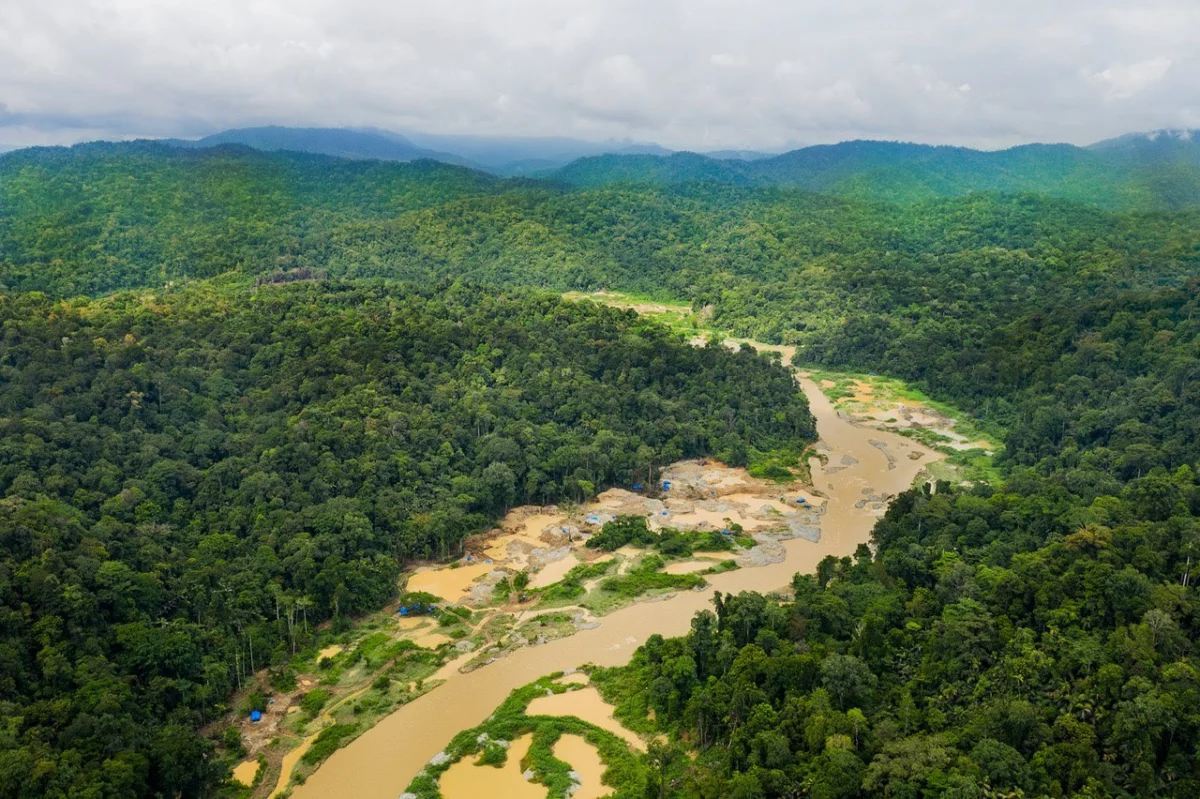
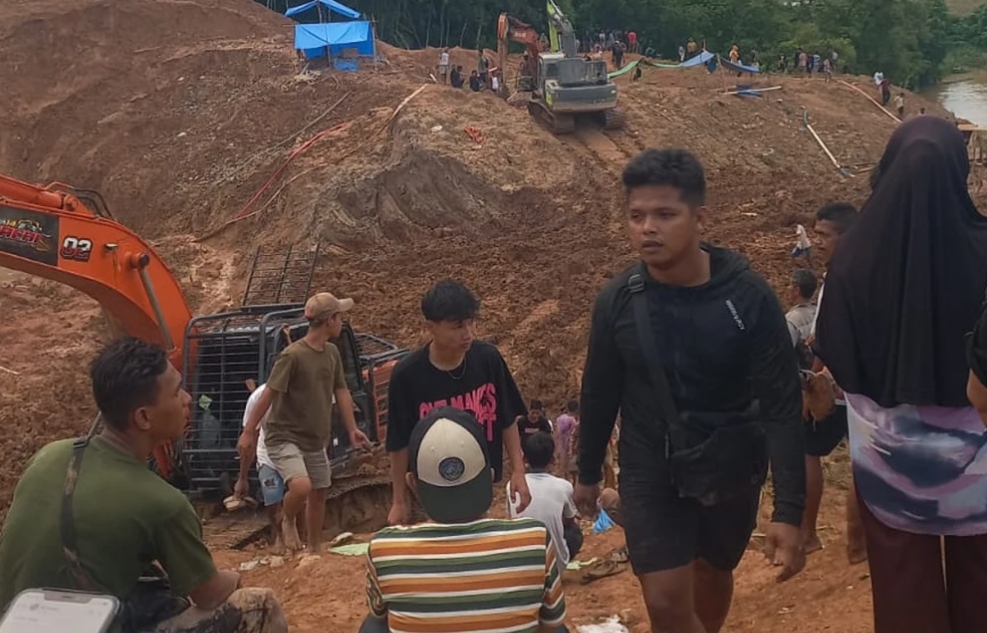
The search for survivors ended in tragedy in Nagari Guguk, Koto VII District, Sijunjung Regency, after a massive 30-meter cliff collapsed onto an illegal gold mining site on Thursday, May 14, 2026. The incident, which occurred amidst a period of volatile weather and heavy rainfall, resulted in the deaths of nine miners, while three others managed to escape the torrent of earth and debris. This latest disaster has once again thrust the issue of Penambangan Emas Tanpa Izin (PETI)—unlicensed gold mining—into the national spotlight, highlighting a persistent cycle of environmental degradation, economic desperation, and systemic regulatory failure in West Sumatra.
The landslide occurred during the morning hours when the miners were actively working at the base of a towering embankment. According to official reports from the West Sumatra Regional Police (Polda Sumbar), the victims were buried under a colossal volume of soil that left little room for escape. Kombes Pol. Susmelawati Rosya, the Head of Public Relations for Polda Sumbar, confirmed the casualty figures on Friday, May 15, 2026. She stated that while three individuals were successfully rescued or managed to flee the site as the ground gave way, nine others were recovered in a state of fatality. Following the recovery of the bodies, police units moved to cordoned off the area and launched a formal investigation into the circumstances of the illegal operation.
Chronology of a Predicted Disaster
The tragedy in Nagari Guguk was not an entirely unforeseen event. Zainal, the Wali Nagari (village head) of Guguk, revealed that local authorities had issued several stern warnings to the mining community in the days leading up to the collapse. The region had been battered by extreme weather patterns, characterized by intense, localized downpours that significantly increased the water levels of nearby rivers and saturated the soil on the steep cliffs surrounding the mining pits.
"We had already urged the miners to halt their activities because the weather was becoming increasingly dangerous and the river discharge was rising rapidly," Zainal explained. "However, these warnings were largely ignored, and the work continued unabated until the disaster struck."
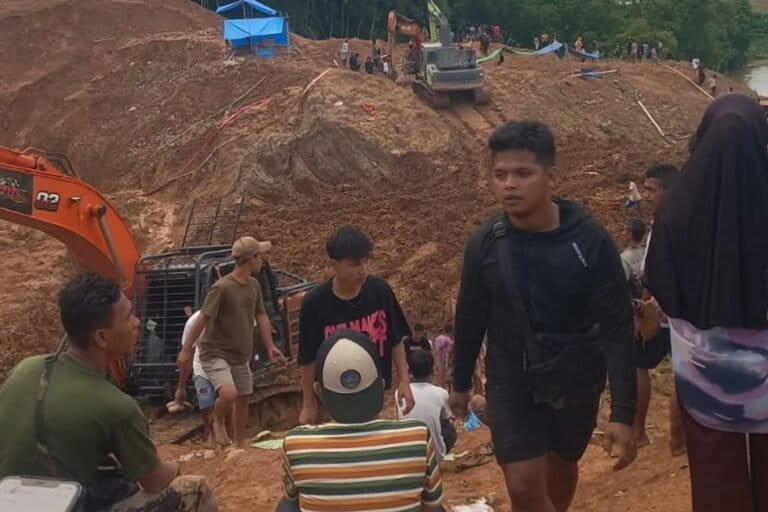
The site itself is located in a geographically precarious position, situated near the confluence of three major river systems: the Batang Sinamar, Batang Ombilin, and Batang Kuantan. This convergence makes the surrounding land highly susceptible to erosion and landslides, particularly when the natural vegetation has been stripped away to facilitate mining. Despite these inherent risks, the allure of high gold prices on the global market has driven many locals and outside workers to overlook safety protocols. Zainal noted that the mining activity in this specific area had been ongoing for approximately two years, intensifying significantly as the market value of gold surged, effectively "clouding the common sense" of those involved.
The Silokek Geopark and the Destruction of National Heritage
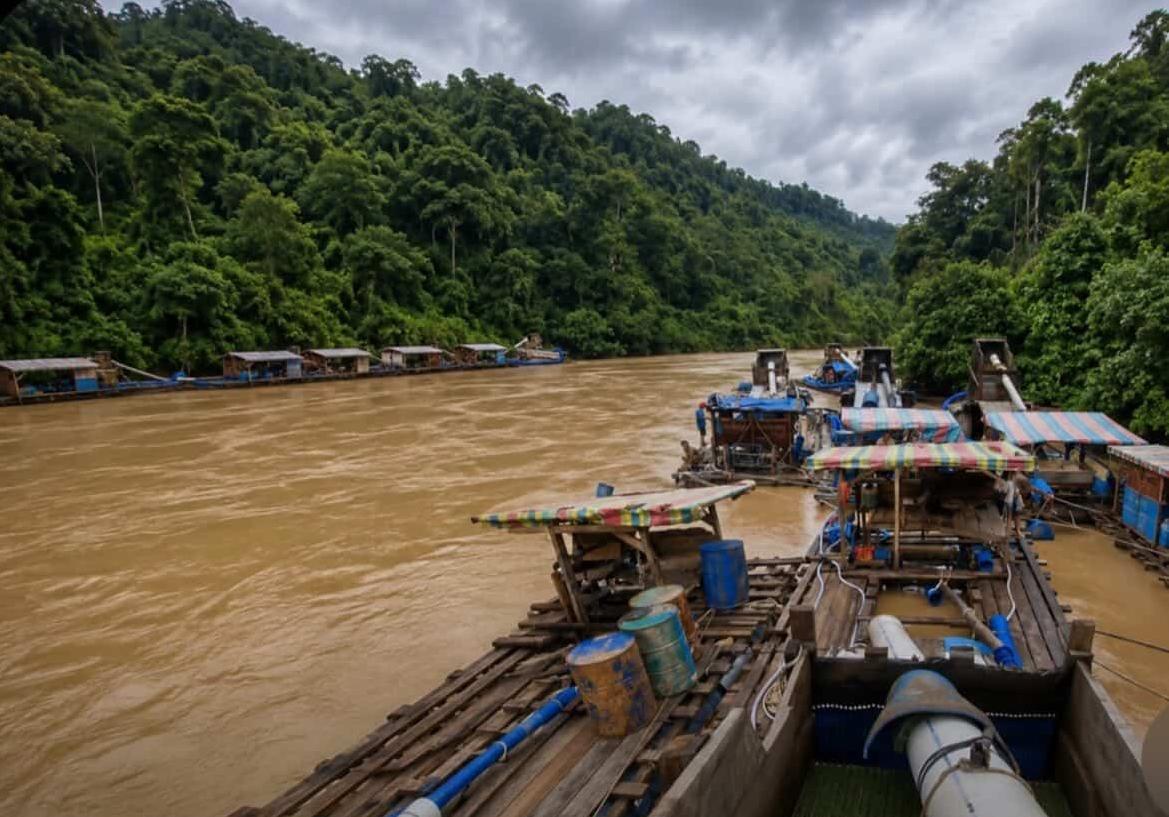
The landslide in Sijunjung is part of a broader environmental crisis affecting the region. Just a day prior to the Nagari Guguk tragedy, on Wednesday, May 13, 2026, the Silokek National Geopark—a site of immense geological and cultural importance—witnessed its own catastrophe. Dozens of ponton (floating mining platforms) operated by illegal miners were swept away by a sudden flash flood.
Witnesses in the Silokek area described a harrowing scene as the river rose with terrifying speed. Rio, a local resident, recounted that the water levels began to climb around midnight. By 5:00 AM, the force of the current became so strong that the mooring ropes of the mining rafts began to snap. "I saw about 30 rakik (rafts) being carried away by the current," he said.
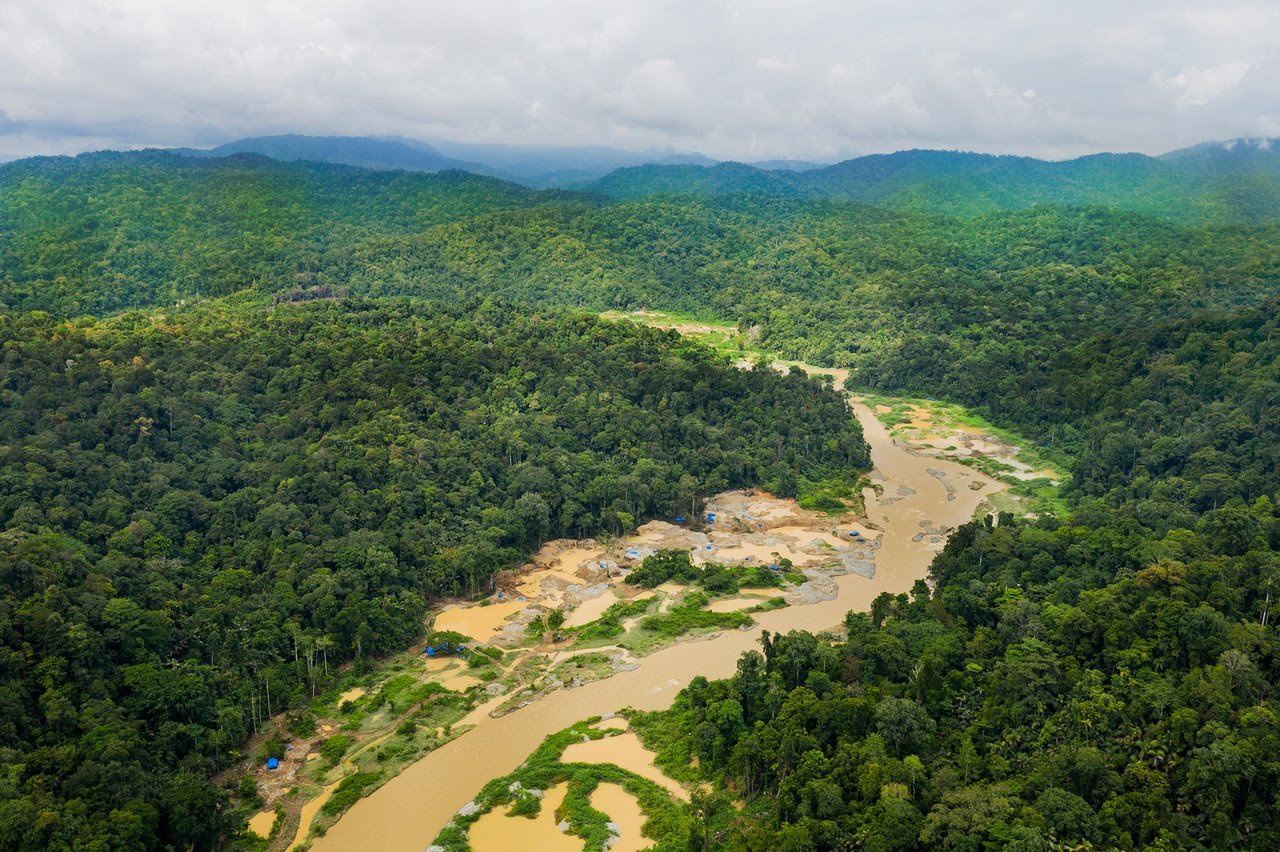
The presence of illegal mining within the Silokek Geopark is a point of significant contention. The area is currently in the process of being proposed for UNESCO Global Geopark status, a designation intended to recognize sites of international geological significance. However, the proliferation of illegal mining has led to severe sedimentation and discoloration of the rivers, turning the once-clear waters into a murky, chocolate-brown sludge.
Helmi Riyanto, the Head of the West Sumatra Energy and Mineral Resources (ESDM) Department, stated that his office is working to verify the ownership of the floating platforms swept away in the flood. He characterized the event as a "natural testament" to the destructive nature of these activities. "If proven, this situation serves as physical evidence that floods have washed away equipment from activities that are fundamentally destroying the environment," Helmi remarked. He expressed hope that law enforcement would use the loss of the equipment as a starting point for more concrete action against the operators who continue to return to the river as soon as patrols conclude.
A Decades-Long Pattern of Fatalities
The deaths in Sijunjung are the latest entries in a grim ledger of mining-related fatalities in West Sumatra. Data compiled by the Indonesian Forum for the Environment (Walhi) West Sumatra paints a disturbing picture of a recurring crisis that the state has failed to address effectively. Since 2012, at least 48 people have died in illegal gold mining accidents across the province. Tommy Adam, the Executive Director of Walhi West Sumatra, argues that these figures are likely conservative, as many incidents in remote areas go unreported.
The timeline of major incidents provided by Walhi highlights the geographic spread and frequency of the danger:
- October 2012: One fatality in West Pasaman Regency.
- January 2019: Another death in West Pasaman.
- April 2020: A major landslide in South Solok Regency killed nine miners.
- January 2021: Four dead and five injured in South Solok.
- May 2021: Eight dead and nine injured in another South Solok incident.
- September 2024: A massive collapse in Solok Regency resulted in 13 deaths.
- April 2026: Two miners killed in Sijunjung, just weeks before the current incident.
- May 2026: Nine miners killed in the current Nagari Guguk landslide.
"These are not merely workplace accidents; this is a form of ‘ecological murder’ facilitated by state negligence," Tommy Adam stated. He criticized the provincial and district governments for watching the death toll rise while failing to dismantle the networks that allow illegal mining to flourish. "The government often hides behind the excuse that mining is a livelihood for the people, but in reality, they are preparing graves for the citizens they are supposed to protect."
Spatial Analysis and the Scale of Operations
Walhi’s investigation into the Sijunjung region reveals that illegal mining is not a small-scale "panning" activity but a massive industrial operation. Spatial analysis conducted by the organization identified 116 distinct PETI activity points within Sijunjung Regency alone. Of these:
- 27 points are located within protected forest areas (hutan lindung).
- 8 points are in production forests.
- 2 points are in limited production forests.
- 2 points are in conversion production forests.
- 77 points are located in Other Use Areas (APL), which often include agricultural land and settlements.
The operations have become increasingly brazen, encroaching upon plantations, riverbanks, and even tourism zones like Silokek. Most alarmingly, some mining sites are located within close proximity to government infrastructure, including areas directly behind the Sijunjung Regent’s Office.
The scale of the machinery involved further debunks the myth of the "impoverished individual miner." Walhi’s field observations indicate the presence of hundreds of excavators. A single excavator typically operates for 20 hours a day, consuming roughly 450 liters of fuel per session. The logistics required to transport thousands of liters of fuel to remote forest locations suggest a highly organized supply chain that often operates with the tacit approval or "backing" of influential figures. Tommy Adam pointed to recent court cases, including a high-profile "police-on-police" shooting in South Solok, as evidence that law enforcement officers have been involved in protecting these illegal ventures.
Environmental Degradation and Mercury Contamination
Beyond the immediate loss of human life, the long-term ecological damage to West Sumatra is catastrophic. Walhi estimates that over 10,000 hectares of land in the province have been destroyed by illegal gold mining, with much of the land left as "gaping wounds" in the earth, devoid of topsoil and incapable of natural regeneration.
The impact on water quality is perhaps the most dangerous legacy of PETI. The use of mercury to extract gold from ore remains widespread, despite being banned under the Minamata Convention. Research conducted by Andalas University has found mercury levels in the Batanghari River reaching 5.198 mg/l. This is more than 5,000 times higher than the safe drinking water standard of 0.001 mg/l.
Mercury is a potent neurotoxin that bioaccumulates in the food chain. As the contaminated water flows downstream, it affects fish populations and the communities that rely on the river for bathing, irrigation, and consumption. The long-term health implications, including neurological disorders and birth defects, represent a ticking time bomb for the population of West Sumatra.
The Need for "Ecological Repentance"
The tragedy in Sijunjung serves as a grim reminder that the current approach to managing illegal mining is failing. Walhi and other civil society groups are calling for a "total shutdown" of PETI operations across the province. This would require not just the arrest of the laborers on the ground, but the prosecution of the financiers (pemodal), the owners of the heavy equipment, and the "receivers" who facilitate the sale of the illegally mined gold.
"We demand an ecological repentance from the governors, regents, and the police," Tommy Adam concluded. "They must apologize to the public for years of silence and inaction. The state must move beyond symbolic raids and focus on restoring the protected forests and river basins that have been decimated."
As the families of the nine miners in Nagari Guguk mourn their losses, the broader community remains trapped between the economic necessity of high-risk labor and the environmental collapse of their homeland. Without a coordinated, multi-stakeholder effort to provide alternative livelihoods and enforce environmental laws, the cliffs of Sijunjung are likely to claim more lives in the seasons to reach.