Nila Kartika Wati
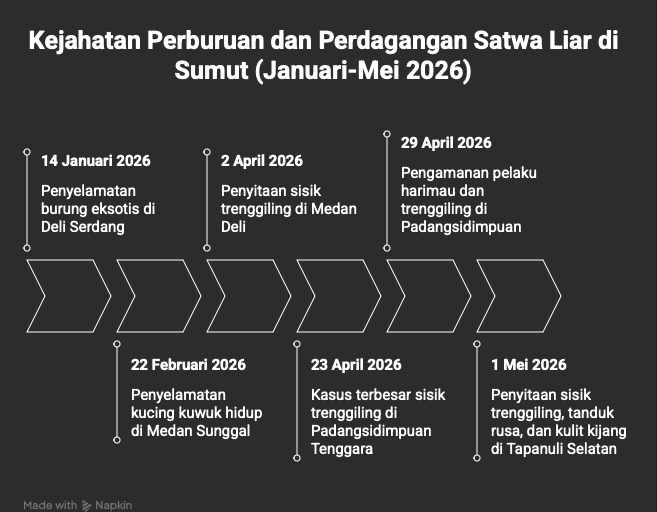
The illicit trade and poaching of protected wildlife in North Sumatra have reached a critical juncture, with recent data indicating a sharp and alarming increase in criminal activity during the first half of 2026. According to records from the conservation group "for Madina," authorities uncovered six major cases of wildlife trafficking between January and May 2026 alone. This figure is particularly striking when compared to the entirety of 2025, which saw a total of seven cases over twelve months. The rapid frequency of these crimes suggests that the province, a vital bastion of Indonesian biodiversity, is facing an unprecedented surge in environmental lawlessness that threatens to permanently erase several endangered species from the wild.
Arbi Sani, a member of the Wildlife Crime Identifier team for Madina, has characterized the current situation as a "severe warning" for the region. North Sumatra is globally recognized for its high levels of endemism and diverse ecosystems, ranging from coastal mangroves to high-altitude rainforests. However, Sani warns that if the current trajectory of exploitation continues, the threat of extinction for various rare species will transition from a looming possibility to an immediate reality. Mathematically, the data suggests a spike in crime intensity of more than 120% compared to the monthly average of the previous year. If this trend persists through the end of 2026, the province could see upwards of 15 major trafficking cases, a record high that indicates criminal networks are becoming increasingly emboldened and sophisticated in their operations.
The Pangolin Crisis: A Massacre in the Shadows
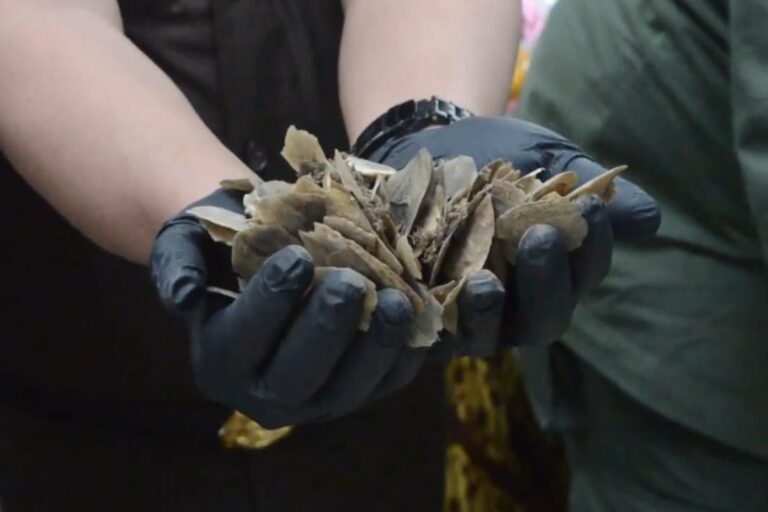
Among the various species targeted by poaching syndicates, the Sunda pangolin (Manis javanica) remains the most heavily exploited. Since 2025, the pangolin has consistently topped the list of victims, with at least seven recorded incidents involving the seizure of 107.6 kilograms of scales. The scale of this slaughter is staggering when analyzed through the lens of ecological impact. Research conducted by experts at IPB University indicates that approximately four to five pangolins must be killed to obtain just one kilogram of scales. Consequently, the 107.6 kilograms seized by authorities represent the death of between 430 and 538 individual pangolins.
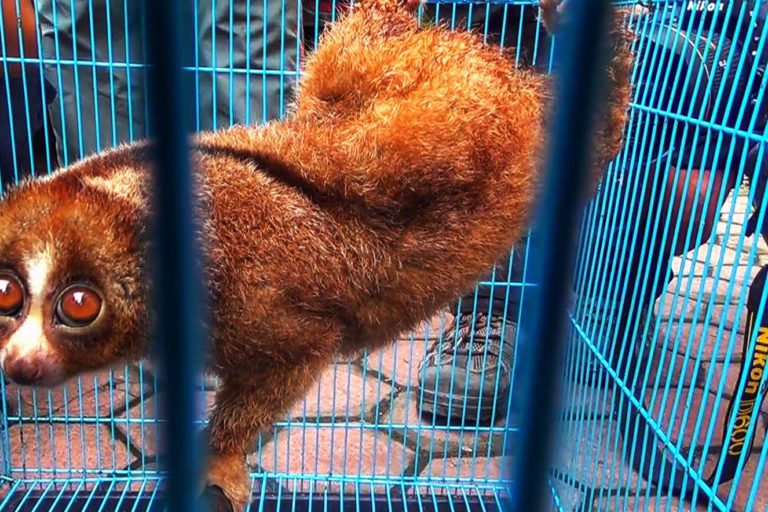
The pangolin is targeted primarily for its scales, which are highly sought after in international black markets for use in traditional medicine, despite a lack of scientific evidence regarding their efficacy. Additionally, their meat is considered an exclusive delicacy in certain luxury markets. Currently listed as "Critically Endangered" by the IUCN, the pangolin’s role in the ecosystem as a natural pest controller is vital; a single pangolin can consume millions of ants and termites annually. The loss of hundreds of these animals in such a short period creates a significant imbalance in the forest floor ecology.
Trends in Exotic Bird and Mammal Trafficking
Following the pangolin, exotic birds such as cockatoos and parrots represent the second most trafficked group in North Sumatra. These birds are prized for their vibrant plumage and ability to mimic sounds, making them high-value targets for the domestic and international pet trade. Many of these birds are captured using cruel methods that result in high mortality rates during transport, further depleting wild populations.
The third tier of the illegal trade involves large mammals, including leopard cats (locally known as harimau akar), sun bears, and various species of deer. These animals are hunted for a variety of reasons, ranging from the sale of their skins and fangs as decorative items for collectors to the consumption of their parts. The fact that these typically solitary and elusive animals are being captured in such high numbers suggests that poachers are operating with a high degree of freedom within protected forest areas. Sani suggests that this surge in activity may be linked to weakened forest security, potentially exacerbated by recent central government budget cuts that have reduced the frequency of field patrols and limited the mobility of conservation officers.
The Mystery of the Vanishing Sumatran Tiger
A particularly concerning aspect of the 2025-2026 data is the absence of reported cases involving the Sumatran tiger (Panthera tigris sumatrae). While the lack of seizures might initially seem positive, experts view it with deep suspicion and concern. Sani notes that there are several possible explanations for why no tiger parts have surfaced in recent law enforcement operations.
One possibility is that trafficking syndicates have adopted more sophisticated, closed-circuit "undercover" methods that allow them to bypass traditional law enforcement checkpoints. In this scenario, the trade has moved entirely into the digital shadows, using encrypted communication and direct-to-consumer delivery systems. Another, more grim possibility is that the Sumatran tiger population in the wild has thinned to such a degree that poachers are simply finding it harder to locate their targets. If the latter is true, the Sumatran tiger, already classified as Critically Endangered, may be closer to total extinction than previously estimated. The transition of poachers into "direct-to-market" sellers without intermediaries also reduces the risk of detection, making the actual volume of the tiger trade difficult to quantify.
Regional Breakdown of Habitat Destruction and Conflict
The rise in poaching is inextricably linked to the rapid degradation of natural habitats across North Sumatra. Several key regencies have become hotspots for both environmental crime and human-wildlife conflict:
- Langkat Regency: This area has seen the degradation of over 3,000 hectares of forest due to illegal encroachment and land-use conversion. This destruction has severed vital wildlife corridors. In January 2026, a suspected tiger cub was found dead with wire snare wounds around its neck, highlighting the lethal nature of poaching tools used in the area.
- Karo Regency: Forest cover continues to shrink as land is converted for agriculture. In September 2025, a Sumatran tiger was spotted near a settlement, a clear sign that its natural habitat can no longer support its territorial needs.
- Tapanuli (North, South, and Central): The Batang Toru ecosystem, the only home of the Tapanuli orangutan, is under constant pressure from mining and plantation industries. With fewer than 800 individuals remaining, the species is the most endangered great ape in the world. In December 2025, a dead Tapanuli orangutan was found buried in mud following a flash flood, an event many attribute to the loss of upstream forest cover.
- Mandailing Natal: This region has been plagued by forest fires and illegal mining. In October 2024, a major operation led to the arrest of suspects involved in the killing and trade of a tiger cub, proving that the area remains a primary source for traffickers.
- Labuhan Batu: The conversion of mangroves into plantations has displaced pangolins and crocodiles. It has also emerged as a hub for the smuggling of belangkas (horseshoe crabs), with hundreds of the ancient arthropods seized while being prepared for illegal export in early 2026.
Institutional Response and Future Challenges
In response to the escalating crisis, Novita Kusumawardani, Head of the North Sumatra Natural Resources Conservation Agency (BBKSDA), expressed deep concern over the trend. She emphasized that wildlife crime is not just a legal violation but a direct assault on the region’s ecological balance. The BBKSDA has reportedly intensified its strategic efforts, including routine patrols, "snare-sweeping" operations to remove poacher traps, and community education programs.
Kusumawardani highlighted the importance of digital advocacy, using social media to foster public awareness and encourage citizens to report suspicious activities. However, she acknowledged that law enforcement cannot work in a vacuum. Effective conservation requires robust cross-sector collaboration between the police, local governments, and the public. "Protection is not just about rules on paper; it is about the collective will to safeguard our national assets before they are lost to time," she stated.
The sophisticated modus operandi of modern traffickers—ranging from the camouflage of illegal goods to online transactions—presents a moving target for authorities. Without an increase in the conservation budget and a systematic overhaul of forest security, the "alarm bells" ringing in North Sumatra may soon be silenced by the permanent loss of its most iconic species. The current situation serves as a stark reminder that the protection of biodiversity is an urgent race against time, requiring immediate intervention to prevent a total ecological collapse in one of Indonesia’s most vital natural landscapes.