Azin Asro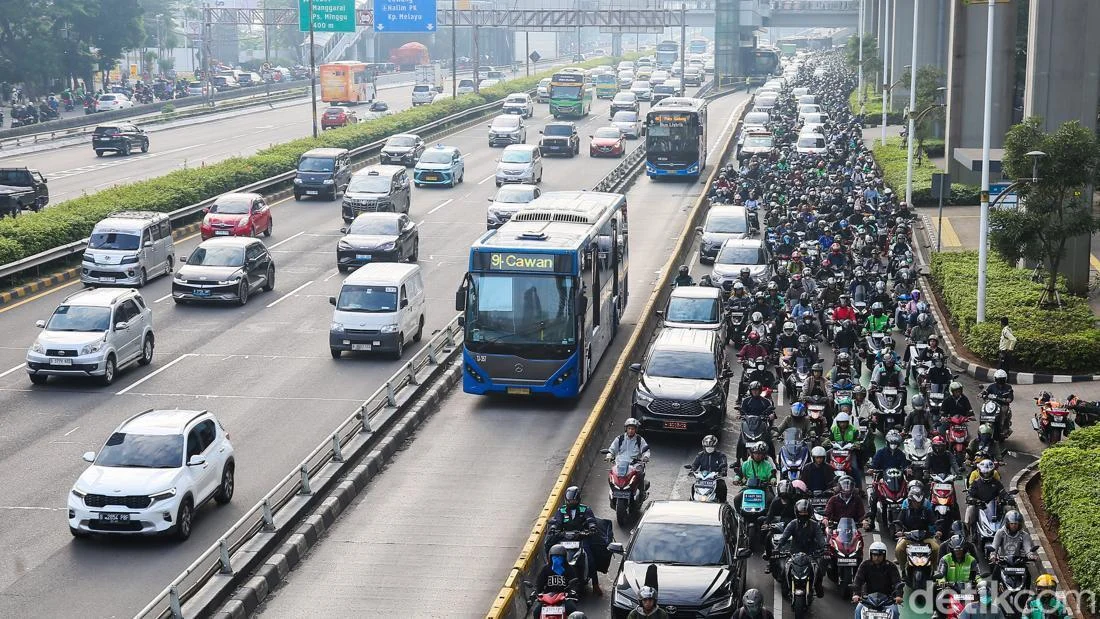
The Provincial Government of DKI Jakarta has officially implemented a series of refined fiscal policies regarding vehicle ownership, aimed at balancing regional revenue with social utility and environmental sustainability. Under the newly enacted Regional Regulation (Perda) No. 1 of 2024 concerning Regional Taxes and Regional Retributions, the administration has introduced a stratified Motor Vehicle Tax (PKB) structure. While private vehicle owners face a progressive tax system ranging from 2 percent to 6 percent depending on the number of vehicles owned, the government has carved out significant exceptions and incentives for specific categories of transport. Most notably, vehicles utilized for public interest and essential services are now eligible for a significantly reduced tax rate of just 0.5 percent, while battery-based electric vehicles (EVs) continue to enjoy a total exemption from annual taxes and registration fees.
The Legal Framework of Regional Regulation No. 1 of 2024
The enactment of Regional Regulation No. 1 of 2024 marks a pivotal shift in how the Indonesian capital manages its fiscal landscape. This regulation is a direct derivative of the national mandate provided by Law No. 1 of 2022 concerning the Financial Relations between the Central Government and Regional Governments (HKPD). The primary objective of this legal overhaul is to simplify tax administration while ensuring that the tax burden is distributed more equitably across different segments of society.
For the average resident of Jakarta, the PKB remains a significant annual expenditure. The progressive tax system is designed to discourage excessive private vehicle ownership in a city already grappling with some of the world’s most challenging traffic congestion. For the first vehicle owned by an individual, the rate is set at 2 percent. This rate increases incrementally for each additional vehicle: 2.5 percent for the second, 3 percent for the third, and so on, reaching a maximum of 6 percent for the fifth and subsequent vehicles. However, the regulation acknowledges that certain vehicles serve a higher social purpose, necessitating a much lower fiscal burden.
Incentivizing Essential Services: The 0.5 Percent Tax Bracket
Article 7, Paragraph (2) of the 2024 Regional Regulation specifies that a select group of vehicles is entitled to a preferential PKB rate of 0.5 percent. This is a 75 percent reduction from the base rate for private vehicles, reflecting the government’s intention to support sectors that provide vital services to the public. The 0.5 percent rate applies to vehicles used for the following purposes:
- Public Transportation: This includes vehicles used for the transport of people or goods with yellow registration plates, provided they meet the operational requirements set by the Department of Transportation.
- Firefighting and Rescue: Vehicles specifically equipped and utilized by fire departments to ensure rapid response to emergencies.
- Ambulances and Medical Transport: Vehicles owned by hospitals or medical institutions dedicated to patient transfer and emergency medical services.
- Hearses and Funeral Services: Specialized vehicles used for the transport of the deceased.
- Social and Religious Services: Vehicles owned by non-profit organizations used specifically for social welfare or religious activities.
- Waste Management and Sanitation: Trucks and specialized machinery used by the city or authorized contractors for garbage collection and city cleaning.
- Public Infrastructure Maintenance: Vehicles used by the Public Works and Spatial Planning agencies for the upkeep of roads, bridges, and other critical infrastructure.
- Government Operational Duties: Specific vehicles assigned to government agencies that are strictly used for administrative public service rather than personal use by officials.
- Emergency Disaster Relief: Vehicles maintained by disaster management agencies (BPBD) for use during floods, earthquakes, or other regional crises.
By keeping the tax rate for these categories at 0.5 percent, the Jakarta administration aims to lower the operational costs for essential services, ensuring that public funds are directed toward service delivery rather than administrative tax cycles.
Vehicles Exempted from Annual Tax Obligations
Beyond the reduced rates, the Jakarta Provincial Government has identified five specific categories of vehicle ownership or possession that are entirely excluded from the PKB object. This means owners of these vehicles are not required to pay the annual tax, though they must still comply with registration and safety inspections. The exemptions generally apply to:
- State and Government Ownership: Vehicles owned or controlled by the Central Government, Regional Governments, or other state institutions used for official purposes.
- Diplomatic and Consular Corps: Vehicles owned by foreign embassies, consulates, and international organizations operating under diplomatic immunity, based on the principle of reciprocity.
- Military and Police (TNI/POLRI): Specialized tactical and operational vehicles used for national defense and internal security.
- International Representative Offices: Vehicles used by recognized international agencies that have specific agreements with the Indonesian government regarding tax exemptions.
- Specific Research and Development: Vehicles used exclusively for scientific research or as museum exhibits that are not operated on public roads.
The Electric Vehicle Revolution: Fiscal Incentives and Environmental Goals
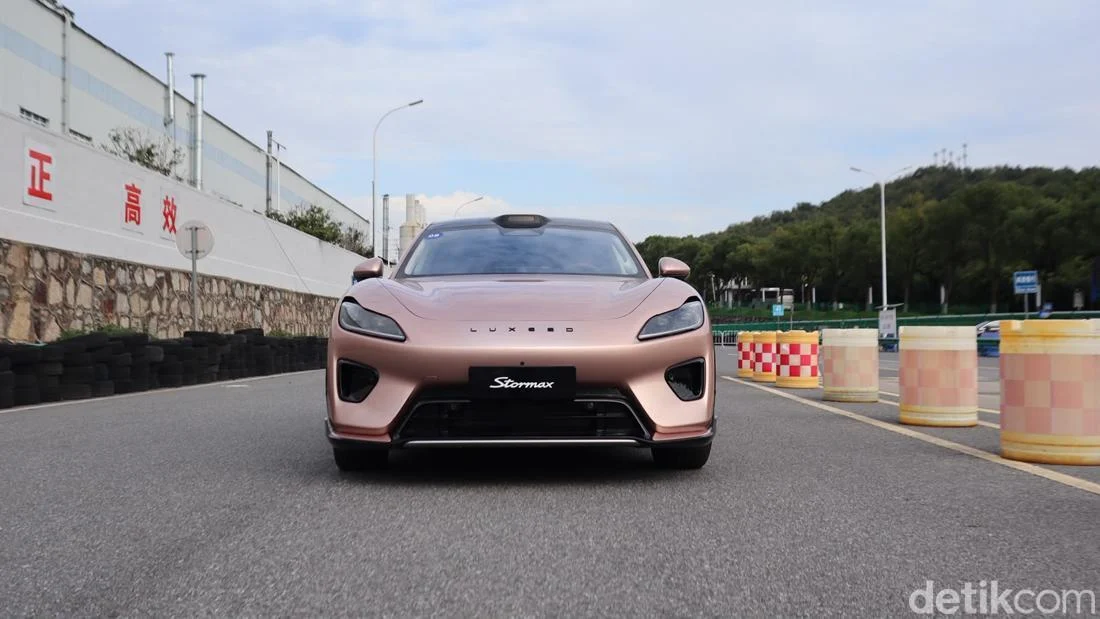
A cornerstone of Jakarta’s modern fiscal policy is the aggressive promotion of Battery Electric Vehicles (BEVs). Lusiana Herawati, Head of the Jakarta Regional Revenue Agency (Bapenda), has emphasized that the city’s policy is closely aligned with the central government’s vision for a greener Indonesia. This alignment is codified through the Ministry of Home Affairs Circular Letter (SE) Number 900.1.13.1/3764/SJ, which encourages regional heads to provide fiscal incentives for electric mobility.
Under current regulations, electric vehicle owners in Jakarta are exempted from both the Motor Vehicle Tax (PKB) and the Motor Vehicle Ownership Transfer Fee (BBNKB). This means that for the annual extension of the Vehicle Registration Certificate (STNK), EV owners pay zero rupiah in PKB. The only costs associated with the annual renewal are the administrative fees for the STNK and the mandatory contribution to the Road Traffic Accident Fund (SWDKLLJ), making the maintenance of an EV significantly cheaper than its internal combustion engine (ICE) counterparts.
"The Provincial Government of DKI Jakarta remains committed to providing fiscal incentives in the form of PKB and BBNKB exemptions for battery-based electric vehicles," stated Lusiana Herawati in a recent official communication. She noted that these measures are not merely about tax relief but are strategic tools to accelerate the transition to sustainable transportation, reduce carbon emissions, and improve air quality in the capital.
In addition to financial incentives, EV owners in Jakarta enjoy a significant non-fiscal benefit: exemption from the "Ganjil-Genap" (Odd-Even) traffic rationing system. Regardless of whether an EV has an odd or even license plate number, it is permitted to traverse Jakarta’s restricted corridors at any time. This dual benefit of zero tax and unrestricted road access has become a major selling point for EVs in the Jakarta market.
Chronology and Evolution of Vehicle Tax Policy in Jakarta
The journey toward the current 2024 regulation has been marked by several legislative milestones. Previously, vehicle taxes were governed by Perda No. 2 of 2015. However, as the automotive landscape shifted toward electrification and the national government sought to harmonize regional taxes through the HKPD Law, Jakarta was required to update its framework.
- 2019-2020: The Jakarta government began introducing initial BBNKB exemptions for electric vehicles to stimulate the nascent market.
- 2022: The National Government passed Law No. 1 of 2022, mandating all provinces to restructure their regional tax systems by 2024.
- 2023: Drafting of the new Regional Regulation (Perda) involved public consultations and economic impact assessments.
- January 2024: Perda No. 1 of 2024 officially took effect, introducing the 0.5 percent rate for specific sectors and solidifying the EV tax holiday.
- May 2026 (Projected Context): The administration reaffirmed its commitment to these incentives, ensuring that the transition period for EV adoption remains supported by stable fiscal policy.
Analysis of Implications: Economic and Social Impact
The implications of these tax policies are multi-faceted. From an economic perspective, the progressive tax on private vehicles serves as a reliable revenue stream for the city, which is then used to fund infrastructure and public services. By taxing luxury and multiple vehicle ownership at higher rates (up to 6 percent), the government implements a form of wealth redistribution where those with higher purchasing power contribute more to the city’s development.
Conversely, the 0.5 percent rate for public transport and ambulances is a cost-saving measure for the logistics and healthcare sectors. For public transport operators, lower taxes translate into lower overheads, which can help stabilize fares for commuters. In the healthcare sector, reduced taxes on ambulances allow hospitals to allocate more resources to life-saving equipment and staffing.
The environmental impact of the EV tax exemption is perhaps the most critical long-term implication. Jakarta has frequently topped global lists for poor air quality, largely due to vehicle emissions. By removing the financial barriers to EV ownership—which typically has a higher upfront purchase price than ICE vehicles—the government is effectively subsidizing the shift to clean energy. Data from the Association of Indonesia Automotive Industries (Gaikindo) suggests that while EV sales still represent a small fraction of the total market, the growth rate has been exponential since these incentives were introduced.
Future Outlook and Sustainability
As Jakarta moves toward its goal of becoming a "Global City" following the planned relocation of the national capital to Nusantara (IKN), its management of transport and taxation will serve as a blueprint for other Indonesian urban centers. The current fiscal incentives for electric vehicles are expected to remain in place for the foreseeable future, at least until the market reaches a critical mass of adoption.
However, challenges remain. The city must balance the loss of potential tax revenue from EVs with the need for infrastructure investment, such as expanding the charging station (SPKLU) network. Furthermore, as the number of vehicles on the road continues to grow, the government may need to explore even more aggressive measures, such as Electronic Road Pricing (ERP), to complement the current tax structure.
In conclusion, Regional Regulation No. 1 of 2024 represents a sophisticated approach to urban governance. By utilizing the Motor Vehicle Tax as both a revenue tool and a social instrument, the Jakarta Provincial Government is attempting to steer the city toward a future that is more efficient, less congested, and environmentally conscious. The 0.5 percent rate for essential services and the 0 percent rate for electric vehicles are clear indicators of a policy shift that prioritizes public welfare and sustainability over short-term fiscal gains.