Nasution Nanang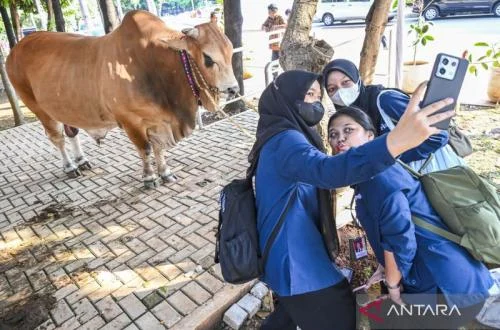
JAKARTA – Indonesia’s Minister of Religious Affairs, Nasaruddin Umar, has underscored that the celebration of Idul Adha transcends mere ritualistic observance, serving instead as a profound opportunity for collective sharing and community solidarity. This emphasis aims to ensure that the joy and nutritional benefits derived from the sacrificial animals are equitably distributed, reaching all segments of society, particularly the most vulnerable. Speaking in Jakarta on a recent Wednesday, the Minister highlighted the intrinsic link between the Feast of Sacrifice and the spirit of generosity, expressing hope that this annual event allows everyone, regardless of their socio-economic standing, to partake in animal protein, either through the direct act of qurban (sacrificial offering) or via various social aid schemes.
The Minister’s remarks arrive as Indonesia, the world’s most populous Muslim-majority nation, prepares for Idul Adha 1447 Hijriah, an occasion deeply rooted in Islamic tradition that commemorates Prophet Ibrahim’s (Abraham’s) unwavering devotion and willingness to sacrifice his son, Ismail (Ishmael), before divine intervention provided a ram as a substitute. Beyond its theological significance, Idul Adha has evolved into a powerful emblem of social welfare and interfaith coexistence in the Indonesian context, a nation constitutionally founded on the principles of Pancasila, which champions belief in one God, just and civilized humanity, Indonesian unity, democracy guided by wisdom, and social justice for all its people.
Deepening the Spirit of Sharing and Nutritional Equity
Minister Umar elaborated on the broad scope of this spirit of sharing, noting its reach extends beyond the Muslim community to encompass contributions from non-Muslim citizens. This remarkable display of tolerance and social solidarity is particularly evident in institutions like the Istiqlal Mosque in Jakarta, Indonesia’s national mosque and the largest in Southeast Asia. The mosque, a beacon of Islamic learning and community engagement, has reported receiving dozens of sacrificial animals, a significant portion of which were donated by the general public and other religious institutions, including a notable contribution from the Jakarta Cathedral, located directly opposite the Istiqlal Mosque. This geographical proximity and symbolic exchange between the two major houses of worship stand as a powerful testament to Indonesia’s commitment to religious pluralism and mutual respect.
"Idul Adha is, in essence, synonymous with the month of sharing. We sincerely hope that through this momentum, everyone can taste animal nutrition, whether through the channel of qurban worship or social assistance schemes," Menag Umar stated, emphasizing the government’s broader objective of improving public health and combating nutritional deficiencies. The distribution of qurban meat provides a crucial, albeit temporary, boost to protein intake for many families who might otherwise struggle to afford it. According to the National Socio-Economic Survey (Susenas), while Indonesia has made strides in reducing poverty, nutritional challenges, including stunting, remain a concern in certain regions. The protein-rich meat from qurban animals directly addresses this by supplementing the diets of low-income households, contributing to improved public health outcomes, particularly among children and vulnerable populations.
Istiqlal Mosque: A Hub for Inclusive Qurban Management
The Istiqlal Mosque, under the direct purview of the Ministry of Religious Affairs, has established a sophisticated and transparent system for managing the influx of sacrificial animals. To accommodate the diverse sources and types of donations, the mosque employs three distinct management schemes:
- Conventional Qurban Management: This traditional scheme involves the direct receipt, slaughter, and distribution of animals donated by individuals and groups within Indonesia for the purpose of qurban.
- Dam Deposits for Hajj Pilgrims: Recognizing the logistical challenges faced by Indonesian pilgrims performing Hajj in Saudi Arabia, the mosque also facilitates the deposit of Dam (a sacrifice required for certain Hajj violations or as an optional offering) on their behalf. This ensures that even those performing their pilgrimage abroad can fulfill their sacrificial obligations through a trusted local institution, with the meat distributed domestically.
- Social Assistance or Corporate Social Responsibility (CSR): This scheme accommodates donations from corporate entities, government agencies, and non-profit organizations that wish to contribute to social welfare through the distribution of meat, aligning with their CSR programs or broader humanitarian efforts. This broadens the reach and impact of the qurban initiative, integrating it into national social safety nets.
As of the morning of Idul Adha, the Istiqlal Mosque had received an impressive total of 63 cows, 18 goats, and one sheep. These figures, while substantial, represent only a fraction of the total qurban animals processed nationwide, which often runs into hundreds of thousands, if not millions, across thousands of mosques and designated slaughterhouses throughout the archipelago. The meticulous processing and distribution of these animals are critical to ensuring fairness and efficiency. All animals received by Istiqlal are subjected to rigorous health checks by veterinary professionals to ensure they meet Islamic sacrificial criteria (syariah) and are fit for human consumption, adhering to food safety standards. The subsequent slaughtering process is conducted in accordance with Islamic law, followed by careful butchering and packaging.
"Many of our non-Muslim friends also submit sacrificial animals. We deeply appreciate this tolerance and social concern," Menag Umar remarked, highlighting a practice that has become a hallmark of Indonesia’s unique approach to religious holidays. This cross-religious gifting, where non-Muslims contribute to a Muslim religious observance out of solidarity and goodwill, is a powerful manifestation of Bhinneka Tunggal Ika (Unity in Diversity), the national motto. Such acts reinforce the bonds of nationhood and demonstrate that religious differences need not be sources of division but can instead be bridges for shared humanity and mutual support.
Transparency and Accountability: Pillars of Trust
A cornerstone of Istiqlal’s qurban management is its unwavering commitment to transparency and accountability. The mosque’s management ensures that all donated animals are registered, processed, and distributed with meticulous record-keeping. The meat is then equitably distributed to a wide network of religious institutions, orphanages, boarding schools (pesantren), and charitable organizations operating under the Istiqlal’s guidance, as well as directly to impoverished communities. This structured distribution network minimizes waste and maximizes impact, ensuring that the meat reaches those who need it most.
"Insha Allah (God willing), we carry out this accountability system at Istiqlal with full transparency," the Minister added, reassuring the public about the integrity of the process. This transparency is vital for maintaining public trust, encouraging continued donations, and ensuring that the charitable intentions of donors are fully realized. In an era where public scrutiny of charitable organizations is high, Istiqlal’s commitment to clear and verifiable processes sets a benchmark for religious institutions involved in large-scale social welfare initiatives.
Leadership by Example: Contributions from the State’s Highest Offices
Further underscoring the national significance of Idul Adha, the Minister confirmed that the Istiqlal Mosque received qurban animals from both the President and the Vice President of Indonesia on malam takbiran, the eve of Idul Adha. This traditional act by the nation’s highest leaders serves as a powerful symbol of their commitment to religious observance, social responsibility, and national unity. Their contributions, often consisting of prime cattle, are not merely ceremonial but also set an example for civil servants, business leaders, and the general populace to participate in the spirit of giving. These animals are typically among the first to be processed, with their meat widely distributed, carrying an added symbolic weight of leadership in charity.
The act of the President and Vice President personally submitting their qurban animals to the national mosque reinforces the idea that the state, while secular in its governance, deeply respects and supports the religious practices of its citizens. It also highlights the integration of religious holidays into the national fabric, making Idul Adha a moment of collective national introspection and shared humanitarian endeavor.
Broader Impact and Implications: Beyond the Feast
The Minister’s aspirations for Idul Adha 1447 Hijriah extend beyond a single day of celebration, envisioning it as an opportunity for Indonesian society to collectively enjoy animal nutrition on a widespread and equitable basis. "We want our people in Indonesia to smile during Idul Adha," he stated, encapsulating the humanitarian goal of the festivities. This sentiment speaks to a broader government agenda of improving food security and reducing nutritional disparities across the archipelago.
The economic implications of Idul Adha are also significant. The surge in demand for livestock leading up to the feast stimulates the agricultural sector, particularly small and medium-sized livestock farmers. This annual cycle provides a predictable market for cattle, goats, and sheep, supporting rural economies and livelihoods. Beyond the immediate economic boost, the widespread distribution of meat contributes to food security, particularly in remote areas or communities facing economic hardship. While temporary, the protein intake from qurban meat can have a tangible positive impact on the health and well-being of beneficiaries, especially children, pregnant women, and the elderly.
Furthermore, the interfaith aspect of Idul Adha in Indonesia offers a crucial model for religious harmony in a world often beset by sectarian strife. The reciprocal gestures of goodwill, such as the Jakarta Cathedral’s contribution to the Istiqlal Mosque, are not isolated incidents but rather reflective of a deeply ingrained cultural and philosophical commitment to coexistence. These acts of solidarity strengthen social cohesion, build trust between different religious communities, and reinforce the foundational principles of Pancasila and Bhinneka Tunggal Ika. They demonstrate that diverse faiths can coexist harmoniously, actively contributing to each other’s welfare and to the broader good of the nation.
In conclusion, Minister Nasaruddin Umar’s articulation of Idul Adha as a moment for profound sharing and interfaith solidarity encapsulates the multi-faceted significance of this Islamic observance in Indonesia. It is a time when religious ritual merges seamlessly with social responsibility, humanitarian aid, and the strengthening of national unity. Through the meticulous efforts of institutions like the Istiqlal Mosque and the exemplary actions of national leaders, Idul Adha becomes a powerful affirmation of Indonesia’s unique identity as a nation that celebrates diversity while striving for collective well-being and enduring harmony. The hope is that this spirit of generosity and mutual respect continues to flourish, making every Idul Adha a truly joyful and enriching experience for all Indonesians.