Lina Irawan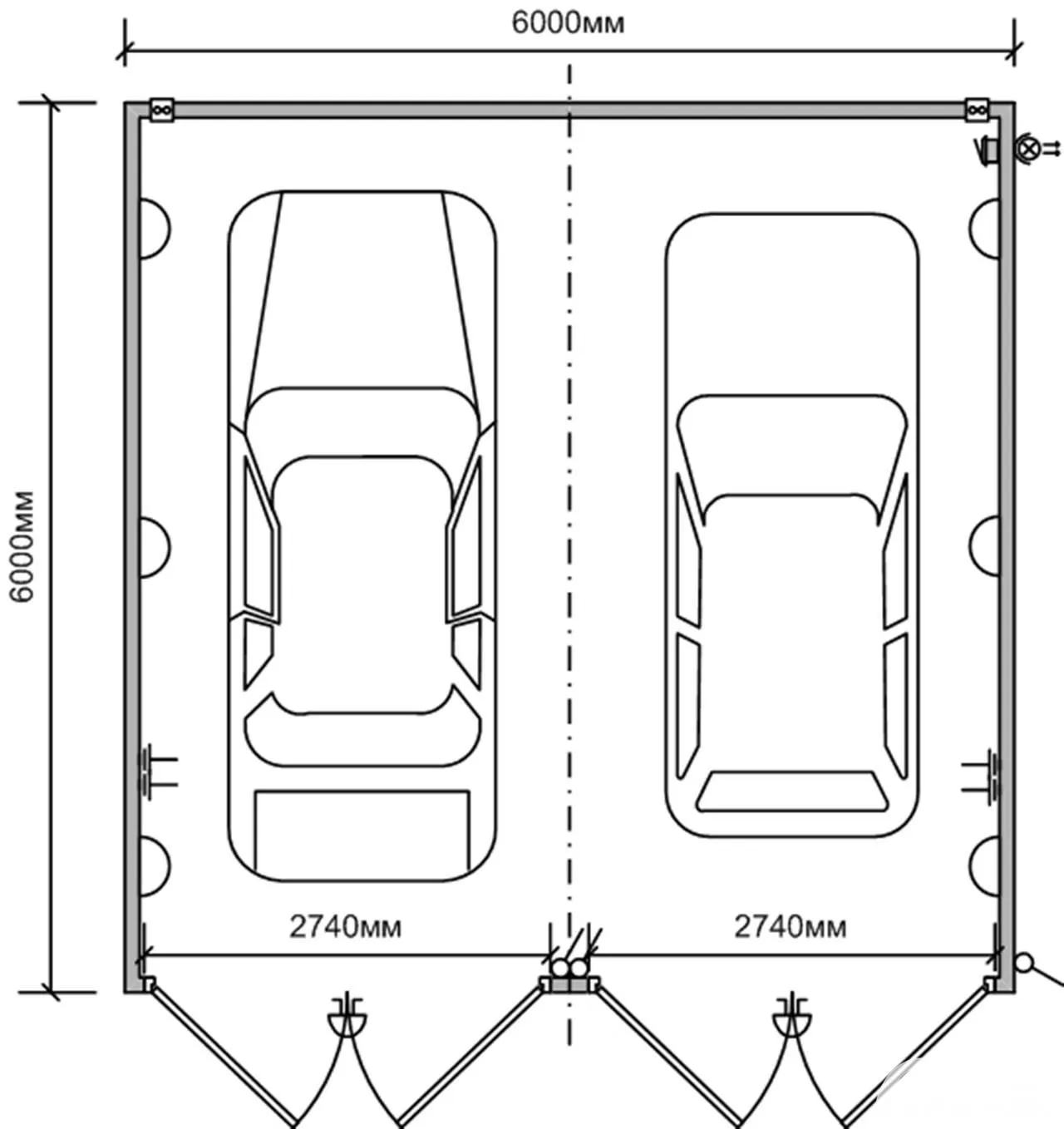
InteriorDesign.ID – The increasing demand for multi-vehicle households in densely populated urban areas presents a significant architectural challenge, particularly when accommodating two cars within the confines of typical residential plot sizes. While ideal dimensions for a side-by-side two-car carport typically span 6 meters wide by 5.5 meters long, and a tandem (one behind the other) layout requires 3 meters wide by 10 meters long, real-world property limitations often force homeowners and designers into compromises. These standard measurements are crucial to allow car doors to open sufficiently (at least 60 cm) for comfortable passenger egress and to prevent body panel collisions, yet their frequent disregard often leads to vehicles encroaching on public roads, sparking neighborhood disputes, and diminishing overall residential comfort.
The persistent underestimation of a carport’s functional importance is a recurring design flaw. Often perceived merely as a concrete slab for storing "dead assets," this area is, in fact, a high-traffic zone for daily household mobility. As urban populations grow and family sizes expand, so does the need for additional vehicles. However, the accompanying residential plot sizes rarely expand in tandem, creating a critical design dilemma that necessitates careful planning and strategic trade-offs.
The Urban Challenge: A Growing Dilemma
Cities worldwide, including major metropolitan areas in Southeast Asia like Jakarta, Bangkok, and Manila, are witnessing an unprecedented surge in private vehicle ownership. Data from the Association of Indonesian Automotive Industries (GAIKINDO) consistently shows an annual increase in car sales, reflecting a broader trend where owning multiple vehicles has become a norm for many families. This trend collides directly with the reality of shrinking land parcels, a consequence of rapid urbanization and rising property values. New housing developments often feature narrower frontages, sometimes as limited as 4 to 6 meters, making the integration of adequate two-car parking increasingly complex.

The ripple effects of this design inadequacy are far-reaching. Beyond the immediate inconvenience for homeowners, poorly designed carports contribute to traffic congestion when cars are parked on shoulders, reduce pedestrian safety, and frequently escalate into community conflicts over shared public spaces. The challenge, therefore, extends beyond mere aesthetics; it encompasses functionality, safety, and community harmony.
Architectural Standards vs. Real-World Constraints
Architectural guidelines provide clear benchmarks for comfortable vehicle accommodation. The 6-meter width for side-by-side parking allows for two mid-sized vehicles with ample space for door openings. Similarly, the 10-meter length for tandem parking accounts for two average-sized cars plus critical maneuvering and pedestrian space. However, these ideal figures often clash with the practicalities of a 6-meter-wide house facade, for instance, where a side-by-side layout would consume the entire front yard, eliminating precious green space or a front terrace. Conversely, a 4-meter-wide plot makes side-by-side parking impossible, relegating options to a tandem configuration, which, while preserving facade space, introduces its own set of daily logistical complexities.
Effective design in constrained environments is inherently a series of compromises. The optimal layout must align with the family’s lifestyle, daily routines, and priorities. While a "perfect" solution is rarely achievable on compact land, a well-informed design decision can significantly mitigate potential issues.
Understanding Carport Layouts for Two Vehicles

The choice between side-by-side and tandem parking is fundamental, each presenting distinct advantages and disadvantages that homeowners must weigh carefully.
Side-by-Side (Berdampingan) Configuration
This layout allows vehicles to be parked adjacent to each other, offering unparalleled convenience for daily use. Drivers can access either car directly without needing to move the other.
- Detailed Dimensions: An ideal side-by-side layout requires a minimum clear width of 5.5 meters. This dimension provides a critical tolerance for one SUV and one city car. For two larger SUVs, a 6-meter clear width is absolutely essential. A standard SUV typically measures around 1.9 meters in width, while a city car is about 1.6 meters. Two such vehicles would occupy 3.5 meters of width.
- Safety Margins and Calculations: To ensure safe and comfortable access, specific clearances are required:
- 60 cm from the left wall to the first car.
- 80 cm between the first and second car (to prevent door clashes).
- 60 cm from the second car to the right wall.
- This totals an additional 2 meters of "breathing room," bringing the total required unobstructed width to 5.5 meters (3.5m car width + 2m clearance). This calculation excludes potential obstructions like structural columns or shoe racks.
- Pros (Advantages):
- Time Efficiency: Any vehicle can be accessed and driven out independently, eliminating the need to move other cars, which is ideal for households with varied schedules.
- Improved Visibility: Reversing offers a wider field of vision due to fewer blind spots.
- Enhanced Curb Appeal: The facade can appear larger and more open, with two cars neatly aligned giving an impression of ample front yard space.
- Cons (Disadvantages):
- High Land Consumption: This system is the most land-intensive, potentially consuming 6 to 7 meters of frontage, drastically reducing space for gardens or terraces.
- Loss of Green Space: The extensive concrete slab often eliminates permeable surfaces for rainwater absorption, contributing to urban runoff issues.
- Reduced Air Circulation: Two large car bodies can obstruct natural airflow into the house, trapping engine heat and potentially affecting indoor comfort.
- Higher Construction Costs: Building a wide cantilevered roof (e.g., 6 meters wide) without central supports requires robust and more expensive steel structures.
Tandem (Memanjang) Configuration
This layout involves parking vehicles one behind the other, typically suited for narrower plots.

- Detailed Dimensions: Tandem parking is viable for plots with a frontage of 3 to 4 meters. It requires a long, straight pathway, typically 10 to 11 meters in length. The width requirement is much more economical, around 3 to 3.5 meters. An SUV (approx. 4.8m long) and a city car (approx. 3.8m long) would occupy 8.6 meters of length.
- Safety Margins and Calculations:
- 60 cm from the front of the rear car to the rear of the front car.
- 50 cm from the rear car to the house wall.
- 50 cm clearance from the front car to the gate, allowing for gate movement.
- This totals an additional 1.6 meters of clearance, bringing the total required length to 10.2 meters (8.6m car length + 1.6m clearance).
- Crucially, a minimum clear pathway of 80 cm must be maintained along one side for pedestrian access, ensuring ease of movement without bumping into vehicles or walls.
- Pros (Advantages):
- Facade Efficiency: The narrow footprint preserves more of the house frontage for terraces, gardens, or other aesthetic elements.
- Economical Roof Structure: The shorter span for the carport roof allows for simpler, less expensive construction.
- Cons (Disadvantages):
- Daily Inconvenience: If the rear car needs to be moved, the front car must first be driven out, creating a daily ritual that can be cumbersome and time-consuming, especially during peak hours. This demands strict scheduling and communication among household members.
- Challenging Maneuvering: Parking in tandem, particularly reversing into a 3-meter-wide, 10-meter-deep slot in the dark, requires precise driving skills and carries a higher risk of scrapes and bumps.
- Potential for Conflict: If schedules are not coordinated, this system can lead to frustration and disputes among family members.
Beyond Layout: Critical Design Elements for Functionality and Safety
Regardless of the chosen layout, several other design elements are crucial for a functional, safe, and aesthetically pleasing carport.
Pedestrian Access and Circulation
Often overlooked, pedestrian pathways are vital for the safety and convenience of residents. A common design flaw is the creation of choke points when both cars are parked, obstructing human movement.
- Importance: Imagine carrying groceries, pushing a stroller, or simply walking to the front door; an obstructed path is not just inconvenient but potentially hazardous.
- Ideal Width: A main pedestrian pathway should be at least 90 cm wide, seamlessly connecting the pedestrian gate to the main entrance of the house.
- Placement: This clear path should ideally be located on the side opposite the driver’s cabin, allowing space to unload items before entering the house. A common mistake is leaving only 40 cm between cars and walls, which makes maneuvering strollers or large items impossible.
Carport Gates: Balancing Security and Accessibility

The design of the main gate directly impacts vehicle maneuverability and overall property security.
- Side-by-Side Carports (6m wide): A central pillar is strictly discouraged as it creates a blind spot and significantly complicates vehicle entry and exit.
- Recommended Gates: Folding gates or wide sliding gates (e.g., laser-cut steel or synthetic panels) that open fully without central obstructions are ideal. Sliding gates should utilize robust double-track systems or suspended mechanisms to prevent encroachment onto neighboring property.
- Tandem Carports (3.5m wide): A single 3.5-meter-wide sliding gate is the most practical and cost-effective option. The rail for the sliding gate should be recessed into the asphalt to prevent jarring impacts on vehicle tires.
- Pedestrian Gate: For both layouts, a separate, smaller pedestrian gate is essential. This allows individuals, delivery personnel, or guests to enter without needing to open the heavy main gate, enhancing convenience and reducing wear and tear on the primary gate mechanism.
Robust Flooring for Heavy Loads
A two-car carport must withstand significant static and dynamic loads. Two average MPVs can weigh 1.5 to 2 tons each, meaning the floor constantly supports up to 4 tons.
- Common Failures: Poor quality concrete or insufficient reinforcement can lead to cracking, subsidence, and even ceramic tile detachment within 18 months, potentially damaging underground drainage pipes.
- Material Specifications: The concrete slab should be reinforced with steel wire mesh (e.g., M8 or M10 deformed bar) and poured to a minimum thickness of 10-12 cm. Crucially, the sub-base (soil beneath) must be compacted thoroughly using a vibratory compactor (stamper machine) to prevent settling.
- Surface Texture: Avoid glossy, indoor-type tiles. These are extremely slippery when wet (from rain, spills, or car washing) or dusty, posing a severe slip hazard. Opt for robust, anti-slip outdoor tiles or textured concrete that can withstand the friction of turning tires.
Effective Drainage and Water Management
Washing two cars consecutively consumes a significant amount of water. Proper drainage is paramount to prevent waterlogging and associated problems.

- Slope Requirements: The carport floor should have a gentle slope of 1-2% towards a drainage channel. This translates to a drop of 1-2 cm per meter of length, ensuring water flows efficiently towards the drainage system.
- Preventing Puddles: A perfectly flat surface will create puddles, leading to unsightly water stains, soap residue buildup, and the rapid growth of slippery moss and algae that can erode grout and concrete.
- Drainage Channels: Install wide, metal-grated drainage channels along the perimeter or at strategic points. These wider grates are less prone to clogging from leaves, mud, or other debris, ensuring continuous water flow into the main sewer system.
Integrating Carport with Home Facade
Modern architectural trends often blur the lines between the carport and the main terrace, creating a visually expansive and integrated facade.
- Visual Separation: While integration is desirable, a clear functional separation between the "wet" and "dirty" car area and the "clean" terrace is vital. This can be achieved by a subtle change in floor level, with the terrace elevated 10-15 cm higher than the carport floor. This elevation prevents dust, gravel, splashes, and soap residue from reaching the main living areas.
- Material and Color Choices: Use contrasting yet harmonious materials and colors. For instance, dark, robust pavers or concrete for the vehicle area can transition into lighter, natural stone or textured ceramic tiles for the pedestrian and terrace zones. Graduated shades of grey or earth tones can effectively unify the visual space within a limited plot.
Overhead Protection: Roof Design and Ventilation
A carport roof protects vehicles from sun and rain, but its design profoundly impacts the facade’s aesthetic and the area’s microclimate.
- Material and Color: Dark roof materials can absorb and radiate heat, making the area feel stuffy. Lighter colors and transparent or translucent polycarbonate materials can help mitigate heat buildup while allowing natural light.
- Structural Supports: Minimize the number of support columns, especially in side-by-side layouts, to maximize maneuvering space and prevent accidental collisions.
- Cantilever Design: A cantilevered roof (a structure supported only at one end) is an excellent solution for maximizing open space, especially on the sides. It relies on robust steel beams and tension cables (e.g., V-shaped or diagonal bracing attached to a side wall) to create a floating effect, eliminating central pillars that could obstruct vehicle movement.
- Height and Ventilation: The roof’s height should be at least 2.8 meters to ensure adequate ventilation. This allows exhaust fumes and trapped engine heat to dissipate quickly, preventing the area from feeling claustrophobic and stuffy.
Strategic Lighting for Safety and Visibility

Effective lighting is crucial for safety, especially when maneuvering vehicles at night or in adverse weather conditions.
- Layered Illumination: Combine different types of lighting to create a well-lit environment without blinding neighbors.
- Overhead Lighting: Install IP65-rated (weatherproof) downlights uniformly across the canopy ceiling, providing an average illumination of 200 Lux.
- Motion Sensors: Integrate motion-activated sensors for automatic lighting. As a car enters the carport, the lights automatically illuminate, enhancing convenience and security, and eliminating the need to fumble for switches in the dark or rain.
- Guiding Lights: Embed small ground-level LED uplights along the perimeter of the concrete slab or near the gate. These act like runway lights, guiding the tires and assisting drivers in parking precisely and avoiding scrapes against walls or pillars.
Safety Accessories: Preventing Scratches and Collisions
Even experienced drivers can make mistakes when tired or distracted. Safety accessories can provide crucial protection.
- Car Stopper: Install solid rubber car stoppers at the end of the parking space. These prevent the vehicle’s rear wheels from rolling too far back, eliminating the need for constant rearview mirror checks and the anxiety of hitting the house wall.
- Rubber Corner Guards: Attach thick rubber bumper guards to pillars, walls, or sharp corners. If a car door is opened carelessly (e.g., by a child) and swings wide, it will hit a soft rubber surface instead of a hard concrete pillar, preventing severe dents and scratches. This is a simple yet highly effective measure to protect both vehicles and property.
The Broader Implications
Thoughtful carport design extends beyond individual convenience. It contributes significantly to property value, neighborhood harmony, and even environmental sustainability. A well-designed carport enhances the property’s curb appeal and functionality, making it more attractive to potential buyers. Conversely, poorly planned parking can devalue a home and create ongoing friction with neighbors. Environmentally, minimizing concrete surfaces and incorporating permeable materials for drainage can help reduce the urban heat island effect and manage rainwater runoff more effectively.

Checklist for Homeowners and Builders
To ensure a successful project, homeowners should ensure these elements are meticulously detailed in the Bill of Quantities (RAB) and construction drawings:
- Site Survey & Topography: Accurate measurement of plot dimensions, existing structures, and slope.
- Layout Plan: Clear demarcation of side-by-side or tandem parking, including precise vehicle dimensions and required clearances.
- Pedestrian Pathway Plan: Designated 90 cm wide clear path from gate to house entrance.
- Gate Specifications: Type (folding/sliding), material, dimensions, and separate pedestrian gate.
- Flooring Specifications: Concrete thickness (10-12 cm), reinforcement (wiremesh M8/M10), sub-base compaction method, and anti-slip surface material.
- Drainage Plan: Slope percentages (1-2%), location and dimensions of drainage channels, and connection to main sewer.
- Roof Structure Plan: Material (polycarbonate/steel), support type (cantilever/supported), dimensions, and minimum height (2.8m).
- Lighting Plan: Downlight placement, lux levels, IP rating (IP65), motion sensor locations, and ground LED uplight placements.
- Safety Accessories: Locations and specifications for car stoppers and rubber corner guards.
- Material Schedule: Detailed list of all finishes, including color and texture for integrated facade elements.
Determining the optimal layout for a two-car carport on limited land ultimately boils down to prioritizing family habits and daily routines. If schedules are busy and multiple family members need to leave at different times, sacrificing some front yard space for convenient side-by-side parking might be the most practical choice. However, if preserving a spacious front terrace or garden is paramount, then embracing the routine of moving cars in a tandem setup becomes a necessary compromise.
Crucially, never compromise pedestrian safety or convenience for the sake of vehicle space. The safety margins and design guidelines provided here serve as a robust framework for supervising construction projects and ensuring that the final design not only protects your vehicles but also enhances the daily lives and well-being of all household members. A precise and well-executed layout guarantees smooth vehicle operation and maintains seamless pedestrian access within your property boundaries.