Tyo Susilo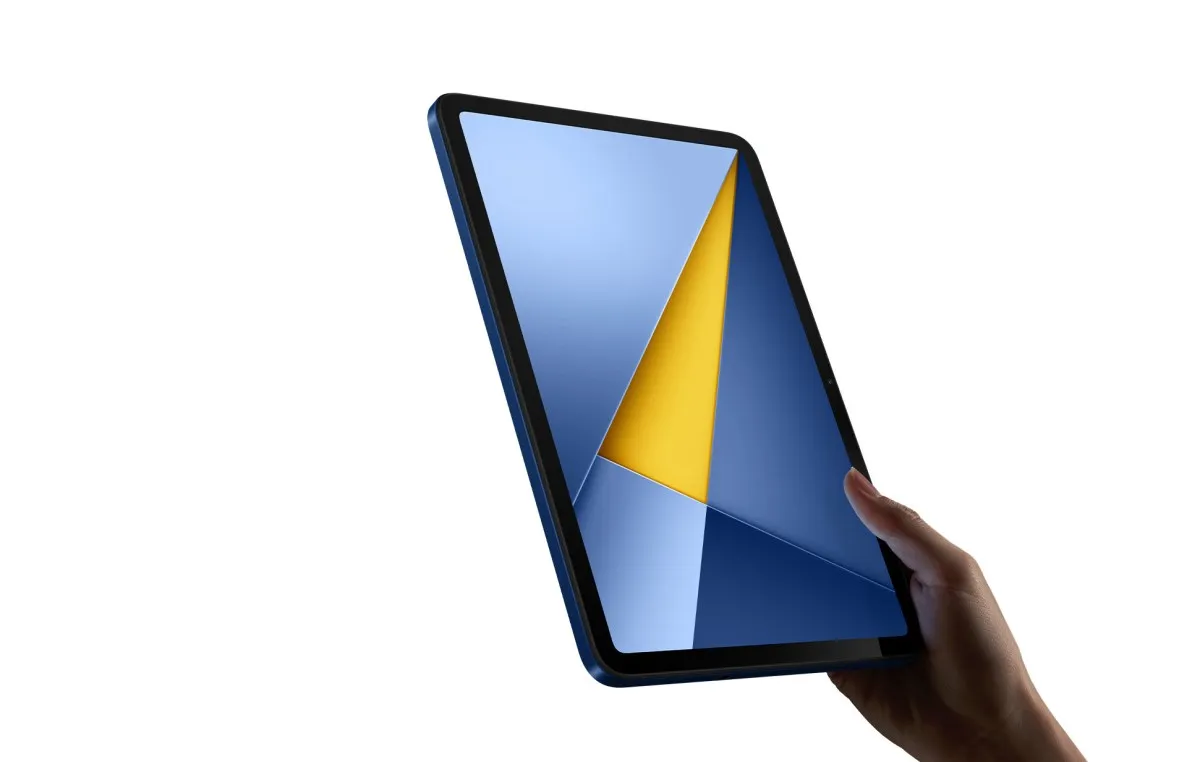
POCO has discreetly launched a new tablet, the POCO Pad C1, via its official global website, confirming earlier rumors that this device is a rebadged version of the Redmi Pad 2 9.7. The unveiling marks POCO’s continued strategy of leveraging established Xiaomi ecosystem products under its distinct branding, aiming to capture a specific segment of the market with competitive specifications and a familiar design. This move signals POCO’s ambition to broaden its hardware portfolio beyond its well-known smartphone offerings.
Key Specifications and Design Philosophy
The POCO Pad C1 boasts a 9.7-inch IPS LCD display, presenting a resolution of 2048 x 1280 pixels. This display is further enhanced with a smooth 120Hz refresh rate, designed to provide a fluid visual experience for browsing, media consumption, and light gaming. For users demanding brighter visuals, the screen offers a peak brightness of 600 nits, ensuring better visibility even in well-lit environments. The touch sampling rate is set at 180Hz, contributing to a more responsive interaction with the touchscreen.
Under the hood, the tablet is powered by the Snapdragon 6s Gen 2 SoC, a chipset that offers a balanced performance for everyday tasks and moderate multitasking. POCO is offering the device in two configurations, catering to different user needs and budget considerations: a 4GB LPDDR4X RAM paired with 64GB of UFS 2.2 storage, and a more robust option of 6GB LPDDR4X RAM with 128GB of UFS 2.2 storage. The use of UFS 2.2 storage, while not the absolute latest in flash memory technology, still provides respectable read and write speeds, contributing to faster app loading times and overall system responsiveness.
In terms of imaging capabilities, the POCO Pad C1 features an 8MP rear camera and a 5MP front-facing camera. While these specifications are modest, they are generally sufficient for casual photography, video calls, and document scanning, aligning with the typical usage scenarios for a tablet in this price bracket.
The device is powered by a substantial 7,600 mAh battery, which POCO claims will provide ample endurance for a full day of moderate use. It supports 18W charging, allowing users to replenish the battery relatively quickly. The tablet’s design emphasizes portability and comfort, with a slim body measuring just 7.4mm in thickness and weighing approximately 406 grams. This compact and lightweight profile makes it an attractive option for users who intend to carry their tablet frequently.

Design and Connectivity Options
The POCO Pad C1 is available in two color variants: Blue and Grey, offering users a choice to match their personal style. The connectivity options are currently limited to Wi-Fi only, with support for Wi-Fi 5 (802.11ac). This indicates that the tablet is primarily designed for home and office use where Wi-Fi is readily available, rather than cellular connectivity for on-the-go internet access.
For an enhanced audio experience, the tablet is equipped with stereo speakers, which should provide a more immersive soundstage for watching videos or listening to music compared to single-speaker setups. A 3.5mm audio jack is also included, catering to users who prefer wired headphones or external speakers.
On the software front, the POCO Pad C1 runs on HyperOS 3, the latest iteration of Xiaomi’s custom operating system. This provides users with access to the latest features, optimizations, and security updates from Xiaomi’s software ecosystem.
Market Positioning and Potential
The launch of the POCO Pad C1 positions it as a budget-friendly tablet that aims to offer a solid user experience without breaking the bank. Its specifications suggest it is well-suited for students, casual users, and anyone looking for a secondary device for media consumption, web browsing, and light productivity tasks. The 9.7-inch screen size, while not the most common in today’s market which often favors larger displays, can be an advantage for those who prefer a more compact and manageable form factor.
The rebadging strategy is a common practice in the tech industry, allowing brands to expedite product launches and leverage existing manufacturing and supply chains. By reintroducing the Redmi Pad 2 9.7 as the POCO Pad C1, POCO can quickly introduce a tablet to markets where the Redmi brand might not have the same established presence or where POCO aims to cultivate its own distinct identity. This approach allows POCO to focus its resources on marketing and distribution, rather than extensive R&D for a completely new device.
Anticipated Availability and Regional Prospects
While POCO has officially announced the tablet on its global website, the company has yet to reveal specific pricing and availability details for most regions. However, there are strong indications that the POCO Pad C1 is slated for an imminent release in Indonesia. The tablet has recently appeared in new Postel certifications, a crucial step for electronic device approval in the country. This suggests that POCO Indonesia is actively preparing for the local launch, and an official announcement is likely to follow in the near future.

The presence of the device in regulatory databases is a significant indicator of its impending commercial release. It implies that the product has passed the necessary technical and safety assessments required for sale in the Indonesian market. This often precedes official marketing campaigns and retail availability by a matter of weeks, if not days.
Broader Implications for the Tablet Market
The entry of POCO into the tablet segment, even with a rebadged product, signifies a strategic expansion for the brand. POCO has built a strong reputation for offering performance-oriented smartphones at competitive prices. Extending this philosophy to the tablet market could attract a similar customer base looking for value and reliable performance in a larger form factor.
The competitive landscape of the tablet market is diverse, ranging from high-end professional devices to affordable options for general consumers. By launching the POCO Pad C1, POCO aims to carve out a niche within the budget-friendly segment, potentially challenging existing players with a familiar yet refined offering. The success of this strategy will depend on competitive pricing, effective marketing, and POCO’s ability to differentiate its user experience through software optimizations and ecosystem integration.
The inclusion of HyperOS 3 is a notable point. As Xiaomi continues to unify its software experience across devices, the presence of HyperOS on POCO’s hardware indicates a deeper integration within the Xiaomi ecosystem. This could translate to better interoperability with other Xiaomi devices, enhanced features, and a more consistent user interface for consumers invested in the Xiaomi universe.
Furthermore, the development suggests a growing trend of brands consolidating their hardware offerings under distinct sub-brands. This allows for targeted marketing and product positioning, catering to different consumer demographics and preferences. POCO, with its youthful and performance-focused image, is well-positioned to attract a segment of the market that values these attributes in a tablet.
As the global tech market continues to evolve, with consumers seeking versatile and affordable devices, the POCO Pad C1’s introduction represents a calculated move by POCO to diversify its product lineup and tap into new revenue streams. The anticipation surrounding its official pricing and availability, particularly in markets like Indonesia, will be closely watched by industry observers and consumers alike. The success of this tablet could pave the way for further tablet offerings from POCO, solidifying its presence beyond the smartphone arena.