Nila Kartika Wati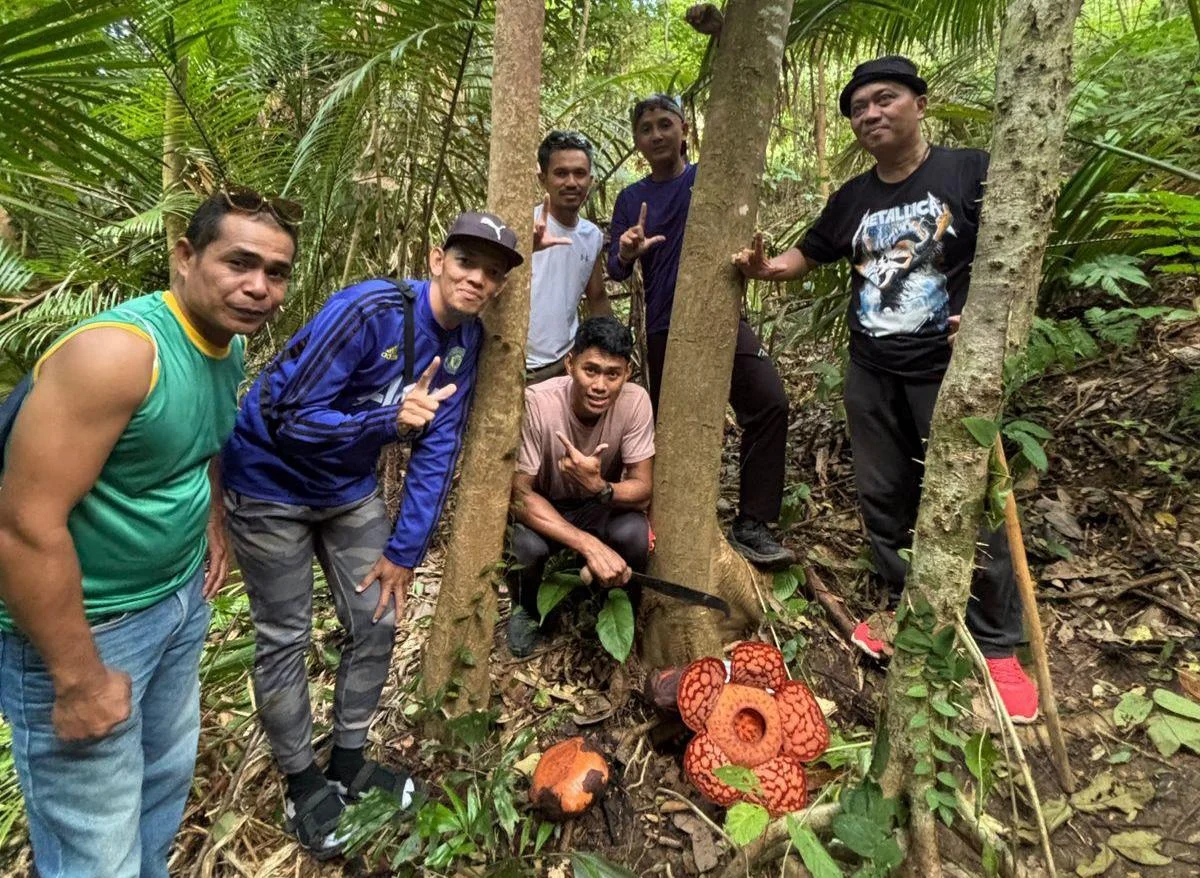
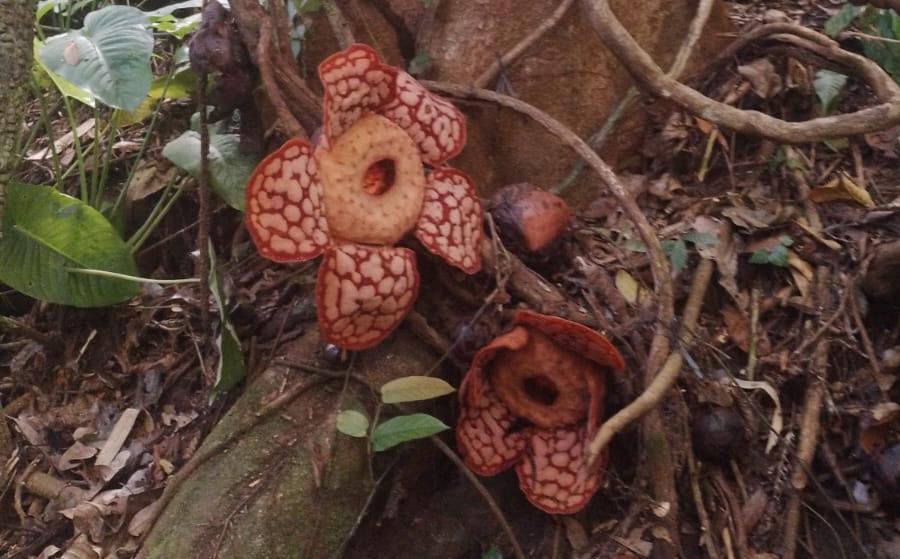
The discovery of a significant and recurring bloom of Rafflesia flowers in the Kepulauan Anambas Regency of the Riau Islands has triggered a wave of scientific investigation and prompted a shift in local conservation strategies. Within a 47.5-hectare forest tract located in South Tarempa Village, preliminary identification efforts have documented at least 25 distinct locations where the world’s largest parasitic flowers are blooming on a near-weekly basis. This phenomenon, centered in the Bukit Batu Tabir area, represents a major milestone for Indonesian botany, as the region was previously unrecorded as a natural habitat for these iconic species.
The site is remarkably accessible compared to other Rafflesia habitats in Sumatra or Borneo, situated only a 10-minute motorcycle ride from Tarempa City followed by a 25-minute trek into the dense tropical canopy of Bukit Batu Tabir. This proximity to urban centers has facilitated both rapid scientific assessment and a surge in local tourism, creating a complex management challenge for provincial authorities and environmentalists.
A Hidden Giant: The Chronology of Discovery
While the scientific community has only recently focused its attention on the Anambas blooms, local accounts suggest the flowers have been part of the landscape for decades. According to Faizal Rangkuti of the Riau Islands Provincial Environment and Forestry Service (DLHK), residents have reported sightings dating back to the 1980s. However, for many years, the plants were largely ignored or misidentified as common wild flora because they were rarely observed in their full, spectacular bloom.
The situation changed dramatically in late 2025, when a series of synchronized blooms captured the public’s imagination. Unlike sporadic sightings in other parts of Indonesia, the Anambas population appears to follow a consistent cycle, with new flowers opening almost every week. This consistency led to an influx of experts from the National Research and Innovation Agency (BRIN), the Bogor Agricultural Institute (IPB), the University of Riau, and various private sector stakeholders, including MedcoEnergi and representatives from the Pulau Bawah Resort.
The area is currently undergoing a formal verification process to be designated as a "Social Forestry" zone. This legal framework, managed by the Social Forestry Center in Kampar, intends to transfer management rights to the South Tarempa Village government, empowering the local community to protect the habitat while benefiting from regulated eco-tourism.
Scientific Significance: The "Unicorn Population"
The University of Riau’s forestry researchers, led by Arya Arismaya Metananda alongside colleagues Nurul Qomar and Nery Sofiyanti, have characterized the Anambas find as a "unicorn population." This term refers to a population found in a geographical area where the species was previously thought to be non-existent. Prior to this discovery, the Riau Islands were not included in the official distribution maps for Rafflesia, which typically centered on the mainland of Sumatra, Java, and parts of Kalimantan.
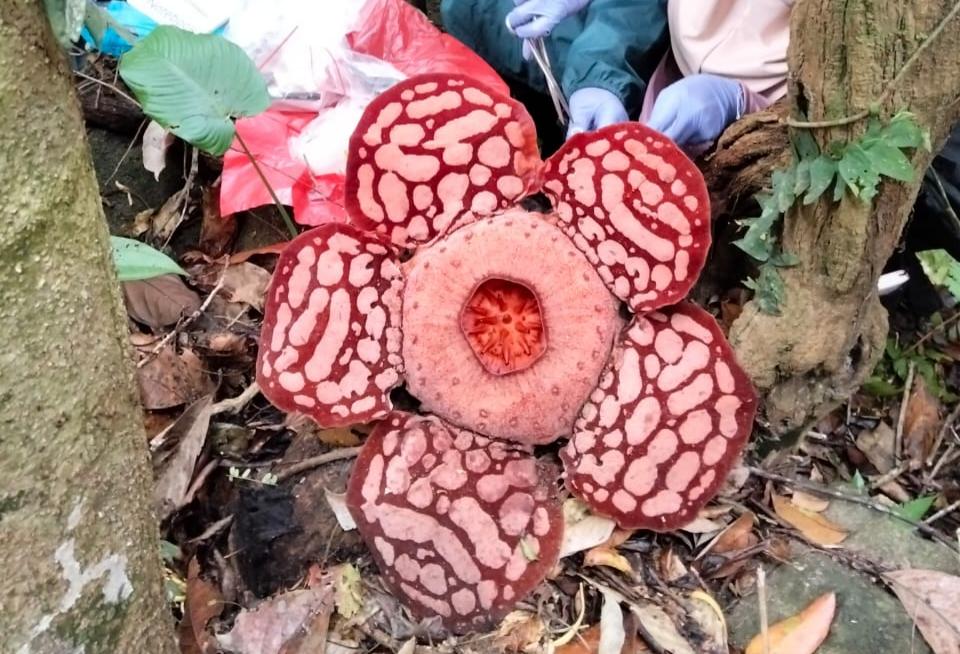
During a two-week intensive field study, the research team identified at least two distinct species within the Bukit Batu Tabir forest: Rafflesia hasseltii and Rafflesia cantleyi.
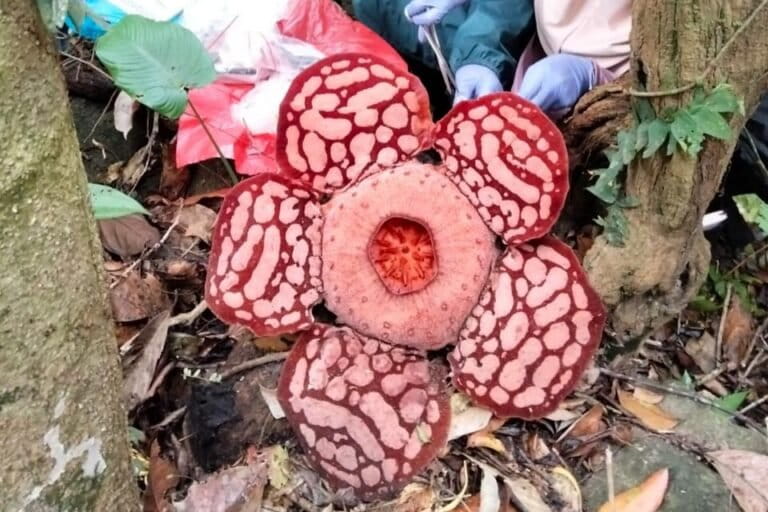
Rafflesia hasseltii is distinguished by its vibrant reddish-brown petals adorned with large, white blotches or spots. A key identifying feature is the presence of ramenta—tiny, hair-like structures—located inside the perigone tube. Rafflesia cantleyi, while similar, possesses its own unique morphological markers that the team is currently documenting to understand the genetic diversity of the island’s population.
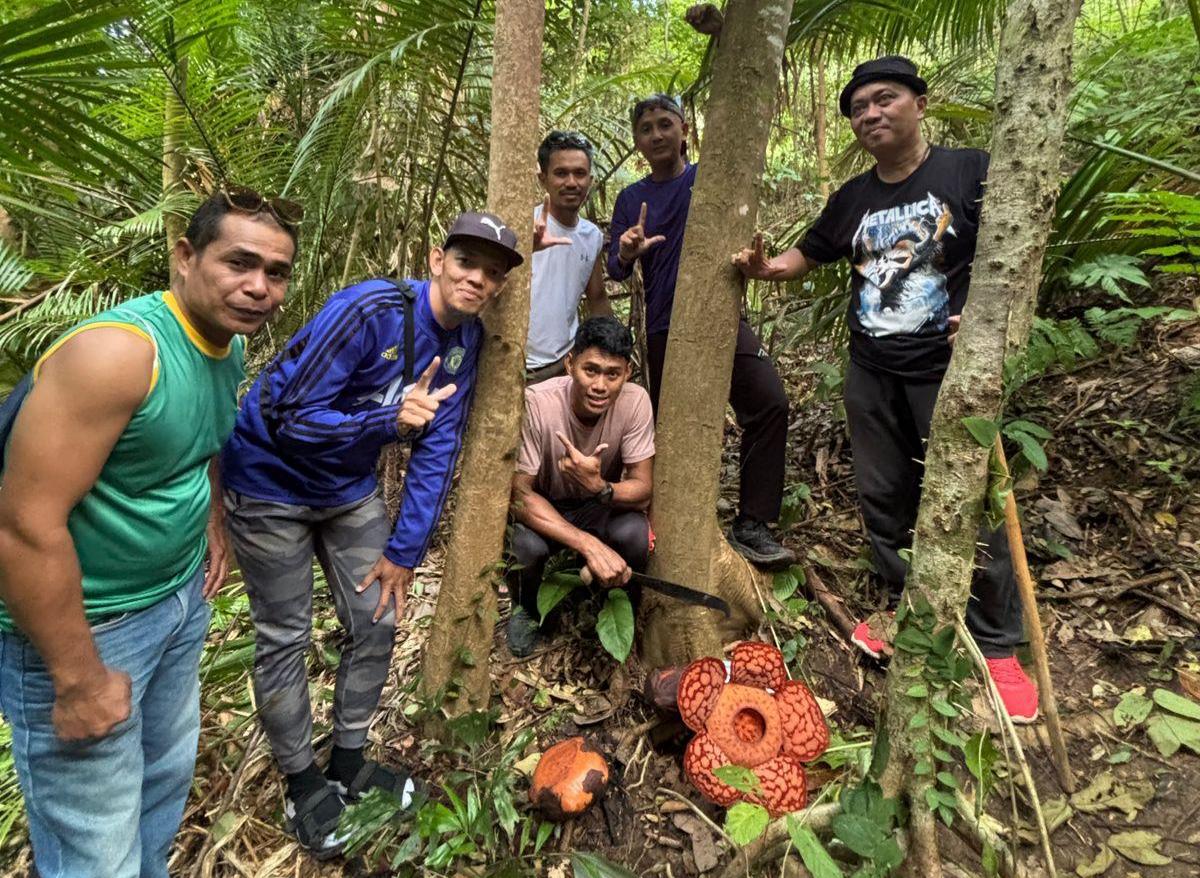
The researchers noted that the 25 identified spots within such a relatively small area indicate a highly specialized and healthy ecosystem. Scientifically, the density of these blooms is unusual and suggests that the environmental conditions in Anambas are uniquely suited for the Tetrastigma vine, the essential host plant upon which the Rafflesia depends for survival.
Ecological Requirements and the Role of the Host
Rafflesia is a biological anomaly. As a holoparasite, it lacks leaves, stems, and true roots, and it does not perform photosynthesis. Instead, it lives entirely within the tissues of the Tetrastigma vine. Faizal Rangkuti explained that the growth process is incredibly slow and fragile. It takes approximately nine months for a tiny bud to develop into a large "knob" before finally blooming into a five-lobed flower of yellow-orange or deep red hues.
Once the flower opens, it emits a pungent odor resembling rotting meat or ammonia. This scent is an evolutionary strategy designed to attract carrion flies, which act as pollinators. However, the spectacle is fleeting; the bloom lasts only four to five days before turning black and decomposing into a slimy residue.
The habitat in Bukit Batu Tabir provides the perfect "Goldilocks" conditions for this process. Located at an elevation of approximately 400 meters above sea level, the forest maintains high humidity and a dense canopy that limits direct sunlight—essential factors for preventing the sensitive buds from drying out. Furthermore, the soil in this region is rich in organic matter and sits atop a granite base. Researchers believe the presence of granite may play a role in the drainage and mineral composition of the soil, indirectly supporting the vigor of the host vines.
The Tourism Dilemma: Lessons from Bengkulu
The sudden popularity of the Anambas Rafflesia has turned the forest into a destination for "nature education." Since opening to the public in November 2025, the site has seen upwards of 300 visitors per month, ranging from students and academics to curious civil servants and general tourists. While this provides an economic boost and raises environmental awareness, it poses a significant threat to the flowers’ long-term survival.
Arya Arismaya Metananda has voiced concerns regarding the potential for "tourism-induced extinction," citing the cautionary tale of Bengkulu. In parts of Bengkulu Province—historically known as the "Land of Rafflesia"—mass tourism led to the degradation of habitats. Heavy foot traffic compacted the soil, damaging the shallow roots of the Tetrastigma host vines and crushing the inconspicuous Rafflesia buds (knobs) that often grow at ground level. Consequently, many once-prolific sites in Bengkulu no longer produce blooms.
To avoid a similar fate in Anambas, researchers are advocating for a "special interest tourism" model rather than a mass-market approach. Recommended measures include:
- Strict Path Delineation: Visitors must stay on elevated or clearly marked boardwalks to prevent soil compaction and accidental trampling of buds.
- Visitor Caps: Limiting the number of people allowed at a bloom site at any given time.
- Mandatory Guides: Ensuring all visitors are accompanied by trained local rangers who can provide education on the flower’s fragility.
- Waste Management: A strict "zero waste" policy, as the introduction of chemicals or foreign organic matter could alter the soil chemistry required by the host vine.
- Mapping the Host: Conservation efforts must focus on protecting the Tetrastigma vines, as the disappearance of the host inevitably leads to the disappearance of the Rafflesia.
Conservation Status and Legal Framework
The Rafflesia species found in Anambas are protected under Indonesian law, specifically the Regulation of the Minister of Environment and Forestry No. 106 of 2018. Globally, many Rafflesia species are listed as Critically Endangered or Endangered by the IUCN due to habitat loss and their highly specific biological requirements.
The move toward Social Forestry is seen as a critical step in providing a legal shield for the Bukit Batu Tabir forest. By granting South Tarempa Village the authority to manage the land, the government hopes to create a sense of local ownership. If the community views the Rafflesia as a sustainable source of income through regulated tourism, they are more likely to prevent illegal logging or land clearing for agriculture in the surrounding areas.
Broader Implications for Biodiversity in Small Islands
The discovery of a thriving Rafflesia population in the Anambas archipelago carries profound implications for island biogeography. It serves as a reminder that small, remote islands often harbor "pockets" of high biodiversity that have yet to be fully cataloged.
"The presence of Rafflesia is a bio-indicator," says Arya. "It tells us that the forest ecosystem in Anambas is still relatively pristine and functional. If the environment were heavily polluted or the forest structure compromised, these flowers simply would not appear."
As the Riau Islands province continues to develop its blue and green economies, the Rafflesia of South Tarempa stands as a symbol of the region’s natural heritage. The challenge moving forward lies in balancing the human desire to witness one of nature’s most bizarre and beautiful creations with the absolute necessity of leaving its habitat undisturbed. The scientific community remains hopeful that with rigorous management and community-led conservation, the "unicorn population" of Anambas will continue to bloom for generations to come, providing a unique window into the complexity of Indonesia’s tropical rainforests.