Nila Kartika Wati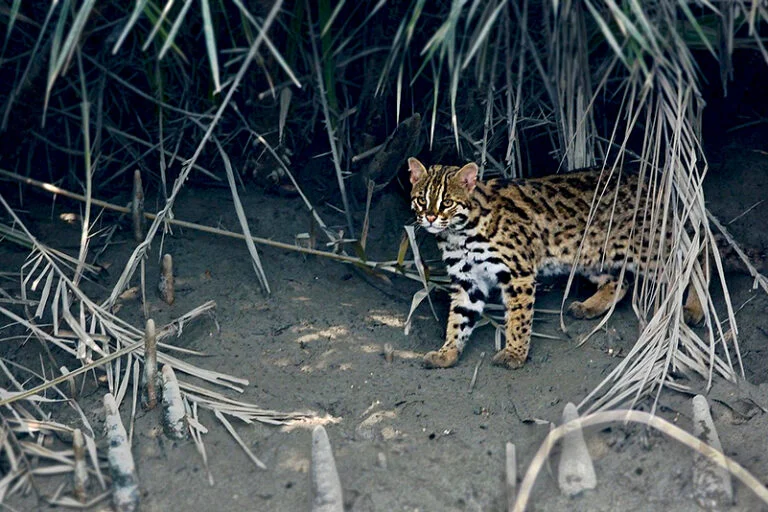
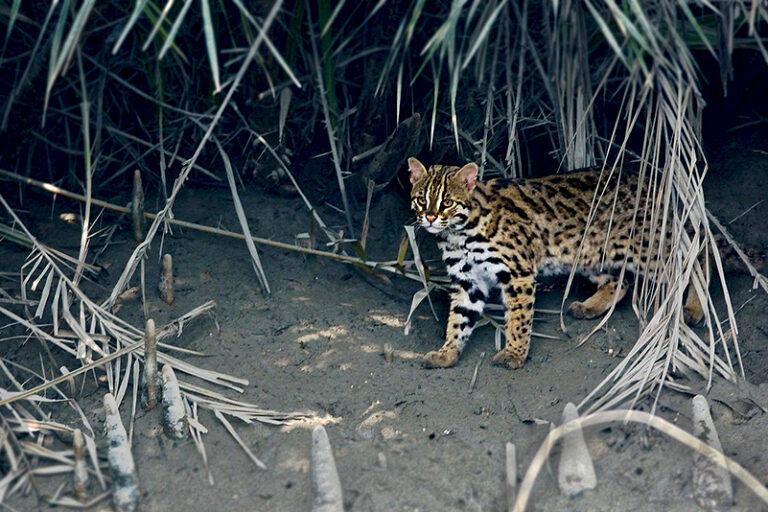
The frequent discovery of leopard cat kittens (Prionailurus bengalensis) by local communities and farmers in the peripheral areas of forests has emerged as a significant point of interest for wildlife biologists and conservationists seeking to understand the intersection of wild habitats and anthropogenic landscapes. While these encounters are often misinterpreted by the public as cases of abandonment or a sign of total habitat collapse, a closer examination of feline behavioral ecology reveals a complex set of survival strategies designed to protect the next generation from internal and external threats. Wildlife experts emphasize that the presence of these small, spotted felids in plantation borders and garden edges is not a random occurrence but a calculated movement driven by the need for protection, the pursuit of caloric abundance, and the natural developmental milestones of the species.
The Biological Imperative: Maternal Strategies and Predator Avoidance
One of the primary drivers behind the presence of leopard cat kittens in forest fringes is the maternal instinct to shield offspring from intraspecific threats. In the deep core of the forest, the primary threat to a leopard cat kitten is often not a different species, but rather adult male leopard cats. Feline behavior across many species, including the leopard cat, includes a documented tendency toward infanticide by dominant males. This cannibalistic behavior is often driven by the biological urge to eliminate offspring that are not their own, which subsequently triggers the female to return to estrus sooner, allowing the male to sire his own genetic lineage.
To mitigate this risk, mother leopard cats frequently migrate toward the "ecotone"—the transition area between two different biological communities, such as the line where a primary forest meets a community garden or a palm oil plantation. These peripheral zones are often less frequented by dominant males who maintain strictly defined territories within the forest core. By relocating her litter to the thickets and tall grasses of the forest edge, the female creates a geographical buffer between her vulnerable kittens and the predatory males of her own species. This strategic shift in habitat usage during the nursing and rearing phase is a critical adaptation for the survival of the species, ensuring that the kittens reach an age of independence before facing the harsher social dynamics of the deep forest.
The Ecotone Advantage: Nutritional Abundance in Agricultural Borders
Beyond the need for safety, the movement toward forest edges is heavily influenced by the availability of prey. In ecological terms, the "edge effect" often results in higher biodiversity and a greater density of certain species compared to the interior of a habitat. For the leopard cat, a versatile and opportunistic hunter, the agricultural lands managed by humans—particularly palm oil plantations and secondary scrublands—represent a high-calorie "buffet."
In the interior of a primary forest, prey can be more dispersed and harder to catch due to the complex multi-layered vegetation. Conversely, plantations and gardens often host large populations of synanthropic species—animals that benefit from living near humans. This includes a high density of rodents, such as the rice-field rat (Rattus argentiventer) and the wood rat (Rattus tiomanicus), as well as various amphibians and small reptiles that thrive in the irrigation ditches and cleared lands. For a nursing mother who requires significantly higher caloric intake to produce milk and maintain her own energy, these areas provide an efficient hunting ground. The abundance of prey allows the mother to spend less time hunting and more time guarding her kittens, although she must still leave them hidden for periods to forage, which is often when the kittens are discovered by humans.
Behavioral Patterns: The Misunderstood Cries of the Young
The third factor contributing to the frequent discovery of these kittens is their own natural behavior. Much like domestic cats, leopard cat kittens are highly vocal, especially when they are hungry or feel the absence of their mother. The mother leopard cat is a crepuscular and nocturnal hunter, meaning she is most active during twilight and at night. During the day, she may leave her kittens in a temporary hideout—such as a hollow log, a dense thicket, or even a dry drainage pipe—while she scouts for food or rests nearby.
During these periods of separation, kittens may begin to "mew" or cry out. To a passing farmer or a local resident, these sounds can be distressing and are frequently interpreted as a sign of distress or abandonment. However, in the vast majority of cases, the mother is well within earshot, waiting for the human presence to dissipate before returning to her young. The accidental discovery of these kittens is therefore a byproduct of the kittens’ natural vocalizations and the increasing overlap between human agricultural activity and the leopard cat’s chosen nursery sites.
The "Rescue" Dilemma: Conservationists Advise Caution
The intersection of human empathy and wildlife biology often leads to well-intentioned but harmful interventions. Conservation authorities, such as the Natural Resources Conservation Agency (BKSDA) in Indonesia, have noted an uptick in the number of leopard cat kittens "rescued" by citizens who believe they are saving orphaned animals. Experts warn that jumping to the conclusion that a kitten is abandoned can lead to a permanent and unnecessary separation of the offspring from the mother.
When a human removes a kitten from its hiding spot, they are effectively ending its chance at a wild life. Hand-rearing wild felids is an incredibly difficult task; they require specific nutritional balances found only in their mother’s milk, and more importantly, they miss out on the critical "hunting school" provided by the mother. Kittens raised in captivity often become habituated to humans, losing their natural fear and their ability to survive in the wild, which often results in them spending their entire lives in rescue centers or zoos rather than contributing to the wild population.
The professional recommendation for anyone encountering a lone kitten in the wild is a "wait and see" approach. Conservationists suggest observing the area from a significant distance for at least 12 to 24 hours. In most instances, once the human threat is gone and the area grows quiet, the mother will return to relocate her kittens to a more secure, less exposed location.
Chronology of a Typical Encounter and Proper Protocol
To better educate the public, wildlife organizations have outlined the typical chronology of these encounters and the appropriate steps to take:
- Initial Discovery: A farmer or plantation worker hears crying or sees movement in a bush or undergrowth during morning or afternoon labor.
- The Mistake: The individual approaches, sees a small, spotted kitten alone, and assumes it has been abandoned due to habitat loss or the death of the mother.
- The Correct Action: Instead of touching the animal, the individual should immediately back away. Human scent left on or near the kitten can sometimes cause the mother to become stressed, though she will rarely abandon the kitten solely due to scent.
- Reporting: The encounter should be reported to local wildlife authorities or forest rangers. These professionals can monitor the site using camera traps or discreet observation to confirm if the mother returns.
- Relocation by Mother: Usually, under the cover of darkness, the mother leopard cat will move her kittens one by one to a new den site. By the next morning, the "abandoned" kittens are usually gone, successfully moved by their parent.
Broader Implications: Adaptation vs. Habitat Loss
While the presence of leopard cats in plantation edges is a sign of the species’ remarkable adaptability, it also highlights the shrinking buffer zones between wild nature and human development. The leopard cat is protected under Indonesian law (specifically Government Regulation P.106/2018 and Law No. 5 of 1990), making it illegal to hunt, keep, or trade these animals. The fact that they are thriving in "disturbed" habitats like palm oil estates suggests that they play a vital role as a natural pest control, keeping rodent populations in check.
However, this proximity to humans also exposes them to new risks, including domestic diseases (such as feline distemper or parvovirus) and the danger of being hit by vehicles on plantation roads. The discovery of kittens should be viewed not as a sign that the forest is "gone," but as a reminder that the "edge" is a living, breathing part of the ecosystem that requires its own management strategies.
Conclusion: Promoting Coexistence through Education
The phenomenon of leopard cat kittens appearing at the forest’s edge is a multifaceted ecological event. It is a story of maternal cunning, the search for resources, and the biological drive to survive in a changing world. To ensure the continued presence of this charismatic micro-predator in the landscape, it is essential to shift the public narrative from one of "accidental rescue" to one of "informed coexistence."
By understanding that a lone kitten is likely a protected and well-cared-for member of a wild family, the public can play a direct role in conservation. Protecting the leopard cat means protecting the forest edges, respecting the maternal strategies of the species, and allowing nature to take its course without unnecessary human interference. As agricultural landscapes continue to expand, the ability of the leopard cat to raise its young in these borderlands will be a litmus test for the possibility of harmony between economic development and wildlife preservation.