 Nila Kartika Wati
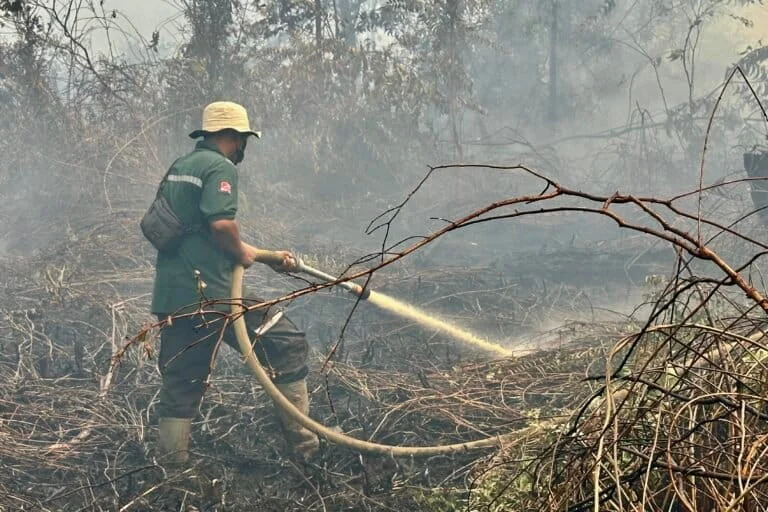
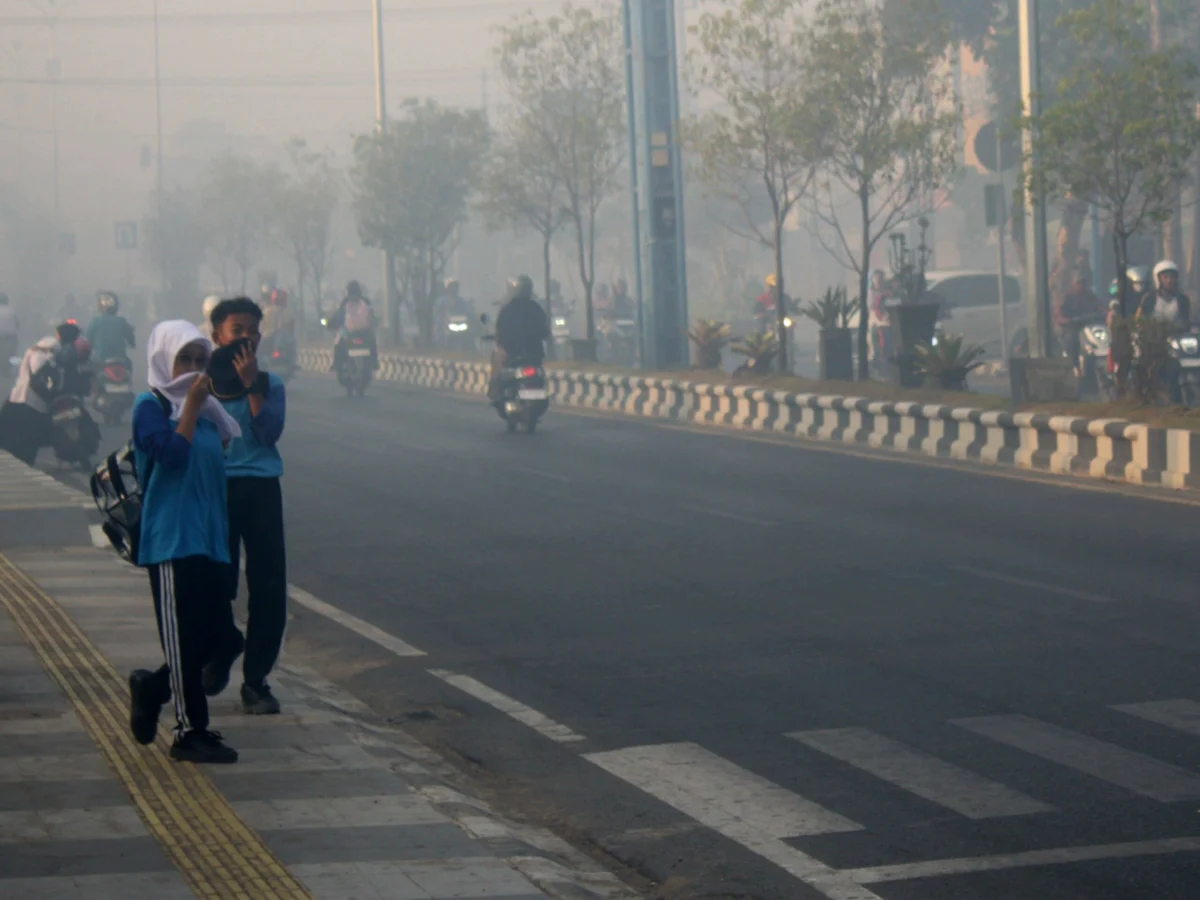
The prolonged drought of 2015 served as a harsh wake-up call for the residents of Zed Village in the Mendo Barat District of Bangka, Kepulauan Bangka Belitung. As the relentless sun scorched the earth, the region’s once-verdant landscapes turned into parched, dust-choked plains. Streams vanished, wells bottomed out, and the delicate wetlands—known locally as paya—withered. For many farmers, the crisis was exacerbated by the widespread conversion of traditional lands into oil palm plantations. Recognizing the existential threat posed by these water-intensive monocultures, Asmadi, a 60-year-old local resident, and his son, Andre, began a quiet but radical transformation: dismantling their oil palm plantation to restore the ancestral kelekak.
Defining Kelekak: The Traditional Agroforestry of Bangka
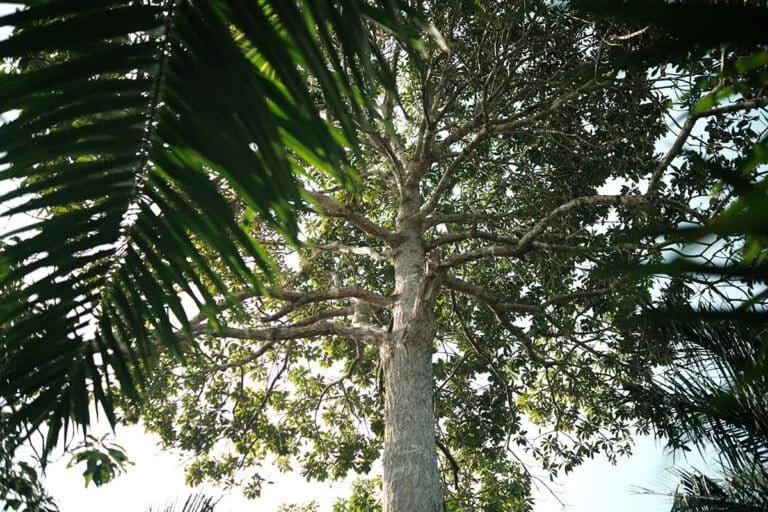
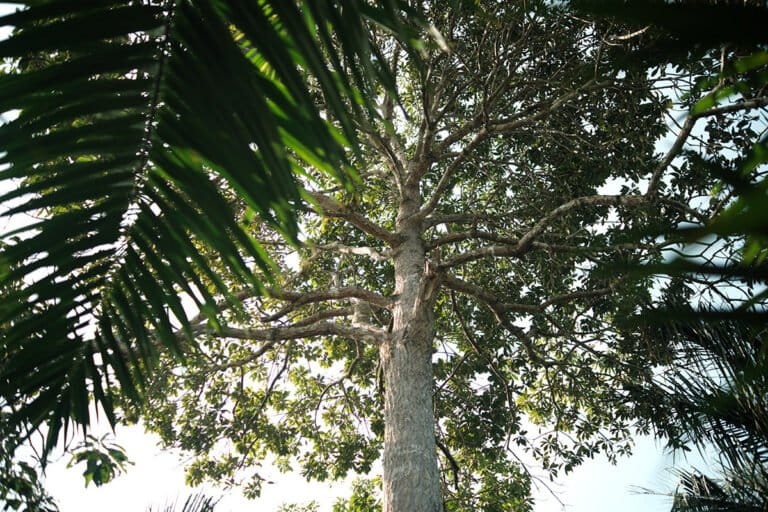
Kelekak is more than just a garden; it is a sophisticated, indigenous agroforestry system practiced by the Malay communities in the Bangka Belitung Islands for centuries. Unlike modern commercial plantations, the kelekak functions as a self-sustaining ecosystem. These forest-gardens were traditionally established by ancestors as a legacy for future generations, featuring a diverse array of fruit-bearing trees such as durian, rambutan, manggis, duku, and cempedak, alongside native timber species like nyatoh and pelawan.
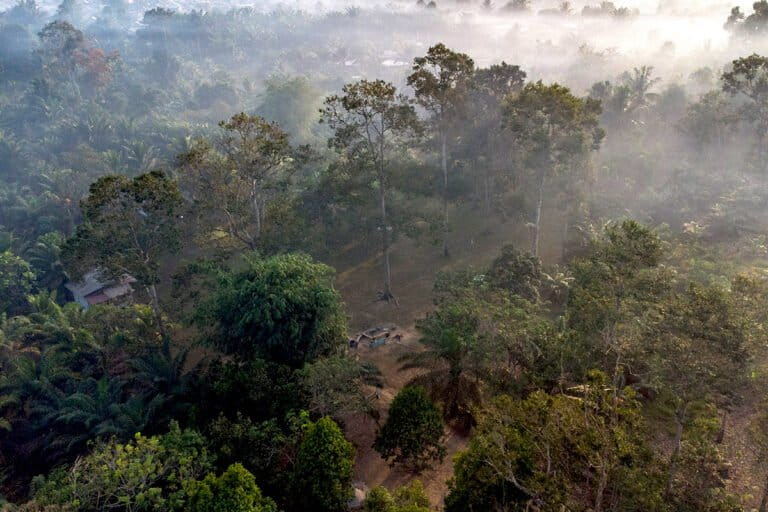
For generations, these plots remained untouched by the cycles of industrial agriculture. However, the 21st-century economic shift—marked by the volatility of rubber prices and the failure of pepper crops—pushed many families to clear their kelekak for oil palm. This shift not only altered the landscape but also stripped the land of its natural ability to retain water, leading to the severe desiccation observed in 2015.
The Chronology of Transformation
The decision to pivot back to traditional practices was not impulsive. After the 2015 drought, Asmadi and Andre observed that their five-year-old oil palm trees were actively depleting the soil moisture, while the few remaining fruit trees were far more resilient.
- 2015: The extreme drought triggers a crisis in Zed Village; water sources dry up, and the ecological vulnerability of oil palm monoculture becomes undeniable.
- 2016–2024: A period of slow, deliberate restoration begins. The family systematically removes oil palm trees, replacing them with native species including aren, binjai, and langsat.
- 2025: A formal collective is established under the name "Kelekak Bangka." The initiative draws in students, environmentalists, and local youth from across the island, including those from Mentok and Pangkalpinang.
- 2026: The community successfully proves the resilience of the kelekak system during another severe dry season, where their managed land retains water even as neighboring areas suffer.
Supporting Data and Environmental Impact
According to data from the Department of Agriculture and Food Security (DPKP) of the Bangka Belitung Province, the total oil palm plantation area in the region reached approximately 355,056 hectares by 2024. In Zed Village alone, community-managed oil palm plantations occupy roughly 2,000 hectares.
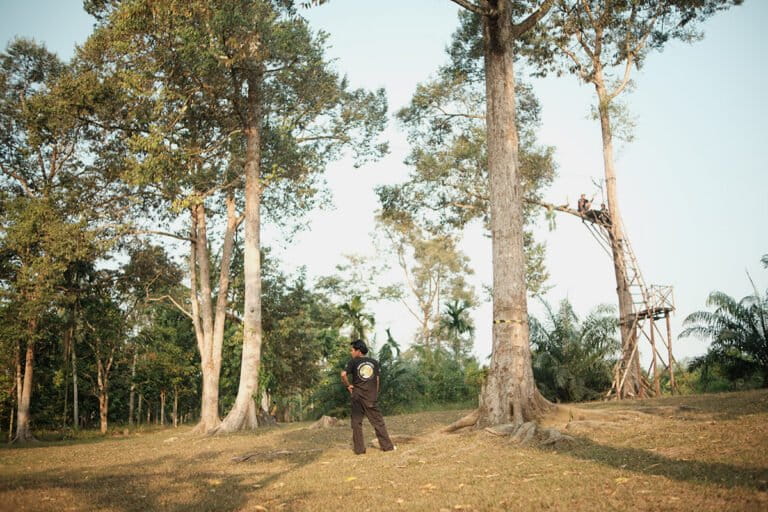
The contrast between these plantations and the restored kelekak is stark. During the 2026 dry season, while the region faced renewed drought, the kelekak managed by the community maintained enough hydration to sustain all vegetation. The presence of the nearby Sungai Lon provided a critical refuge, but the structural density of the kelekak’s canopy and the root systems of the diverse fruit trees prevented the ground-level evaporation that plagued the exposed oil palm fields.
Biodiversity as an Indicator of Success
The success of the restoration project is not measured solely in water retention, but in the return of wildlife. The Kelekak Bangka community has become a sanctuary for species that were previously pushed to the brink by habitat loss. Among the residents of this restored forest are six individual mentilin (Bangka tarsiers), 12 flying lemurs (Galeopterus variegatus), and a population of Bangka slow lorises.
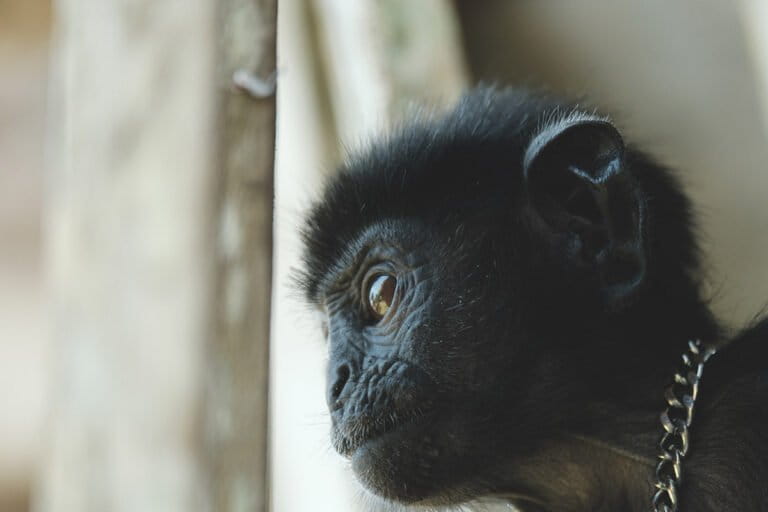
A poignant symbol of this effort is "King," a grey langur (Trachypithecus cristatus) rescued by the family. King was orphaned after his parents were killed by a farmer who viewed the primates as pests. His integration into the kelekak, under the care of the community, highlights the potential for human-wildlife coexistence within these agroforestry zones. The presence of such diverse fauna—including kingfishers and tikusan ceruling—confirms that the kelekak is successfully performing its role as an ecological corridor.
Socio-Economic Implications
The management of the kelekak is sustained through a unique community model. Rather than relying on commercial exploitation, the project is funded through voluntary donations from visitors and income generated from ecotourism activities, such as guiding hikers up Mount Maras.
Sociologist Fitri Ramdhani of the University of Bangka Belitung emphasizes that the kelekak is not merely an environmental project but a food security strategy. "The kelekak represents a historical blueprint for surviving environmental shifts," she noted in September 2026. "The fact that areas surrounding kelekak show less extreme drought damage than those dominated by monocultures is a scientific indicator that we must support this return to traditional land management."
Challenges and Future Expansion
Despite the successes, the movement faces significant hurdles. The economic pressure to prioritize short-term gains from oil palm remains high across the region. Furthermore, many ancestral kelekak lands have already been fragmented or legally converted to other uses.
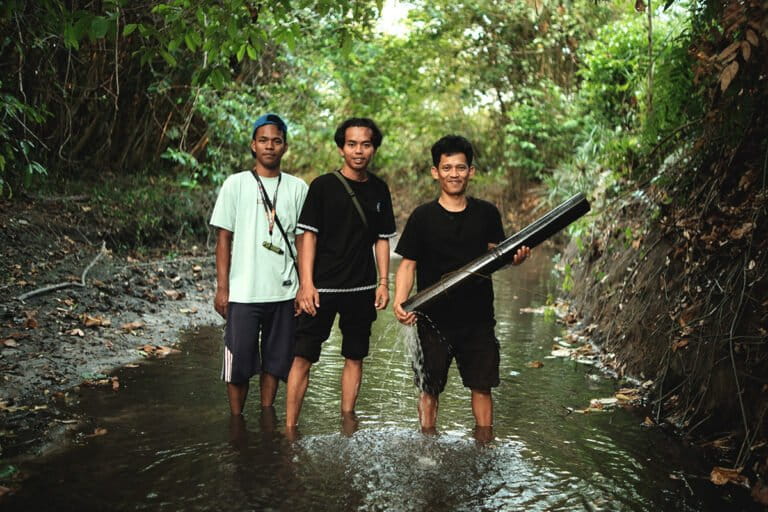
Andre and his colleagues are now working to scale their efforts. They are providing technical support and knowledge-sharing to neighboring villages, such as Labuh Air Pandan, Tiang Tara, Kemuja, and Sempan. Their goal is to create a network of protected kelekak zones across the island of Bangka, effectively weaving a green tapestry that can act as a natural barrier against future climate-driven droughts.
Analysis: A Shift in Agricultural Paradigm
The transition from oil palm back to kelekak signifies a deeper shift in the local consciousness. For decades, "development" was defined by the removal of native forest in favor of global commodities. The current crisis suggests that this model is unsustainable in the face of changing climate patterns.
The "Kelekak Bangka" movement serves as a practical demonstration of "agro-resilience." By prioritizing biodiversity and water retention over monoculture yields, the residents of Zed Village are effectively betting on the long-term survival of their land. The implications for policymakers are clear: if the regional government aims to mitigate the growing water crisis in Bangka Belitung, it must look to the ancient, proven methodologies of the local population rather than relying solely on large-scale infrastructure.
Conclusion
As the 2026 dry season persists, the sight of the verdant, thriving kelekak stands in stark contrast to the scorched earth seen elsewhere. The commitment shown by Asmadi, Andre, and the youth of the Kelekak Bangka community offers a roadmap for restorative justice in land use. While the threat of further environmental degradation looms large, the quiet, persistent work of planting trees and protecting wildlife in the heart of Bangka provides a glimmer of hope. It is a reminder that the most effective solutions to modern environmental challenges may not lie in new technology, but in the wisdom of those who have lived on the land for generations. The future of Bangka Belitung’s food security and ecological health may well depend on the survival of these final, precious pockets of forest-gardens.