Nila Kartika Wati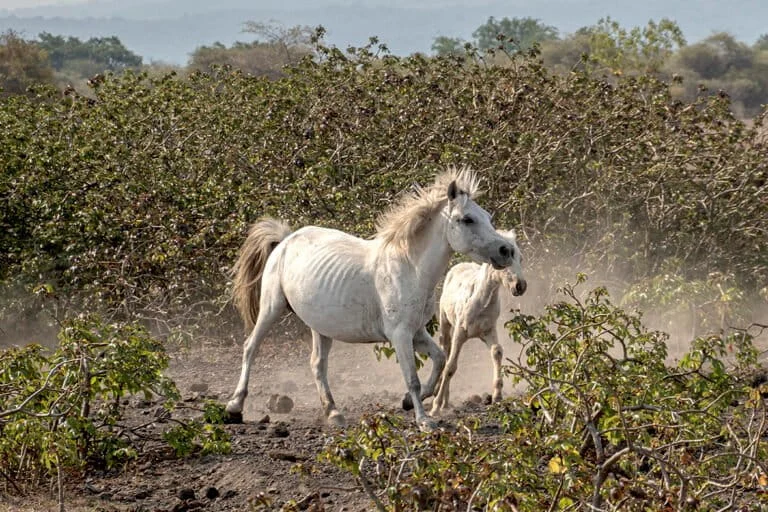
The Kuda Dompu, a resilient equine breed deeply woven into the social and cultural fabric of Dompu Regency in West Nusa Tenggara, currently stands at a critical crossroads where tradition meets the pressures of modernization and genetic dilution. Historically recognized as a variant of the famed Sandalwood Pony, these animals have transitioned from essential modes of transportation and agricultural labor to symbols of prestige and cultural identity. However, recent data reveals a staggering decline in population numbers and a shift in genetic purity that threatens the long-term survival of the original local breed. As the province navigates the complexities of the 21st century, the fate of the Kuda Dompu serves as a poignant reflection of the broader challenges facing Indonesia’s unique biodiversity and indigenous heritage.
The Historical and Cultural Significance of the Horse in Dompu
For centuries, the relationship between the people of Dompu and their horses has been one of mutual necessity and deep-seated respect. In the rugged terrains of the Indonesian archipelago, particularly in the hilly and often inaccessible regions of Sumbawa Island, the horse was once the only viable means of traversing the landscape. Muhammad Iradat, a prominent cultural figure in Dompu, emphasizes that the horse was more than just a beast of burden; it was a lifeline. In an era before paved roads and motorized vehicles reached the remote corners of the regency, the Kuda Dompu was the primary vehicle for transporting people and hauling agricultural produce from fertile mountain slopes to local markets.
Beyond its utility, the horse evolved into a potent symbol of social standing. In Dompu society, owning a horse—particularly one of high quality—signified a family’s wealth, influence, and adherence to tradition. This cultural valuation persists today, even as motorcycles and trucks have largely replaced the horse in daily logistics. Owning a horse remains a lifestyle choice that signals a connection to the ancestors and a commitment to the "Pacoa Jara" culture, the traditional horse racing that is the heartbeat of Sumbawa’s social calendar.
Biological Profile: The Resilient Sandalwood Pony
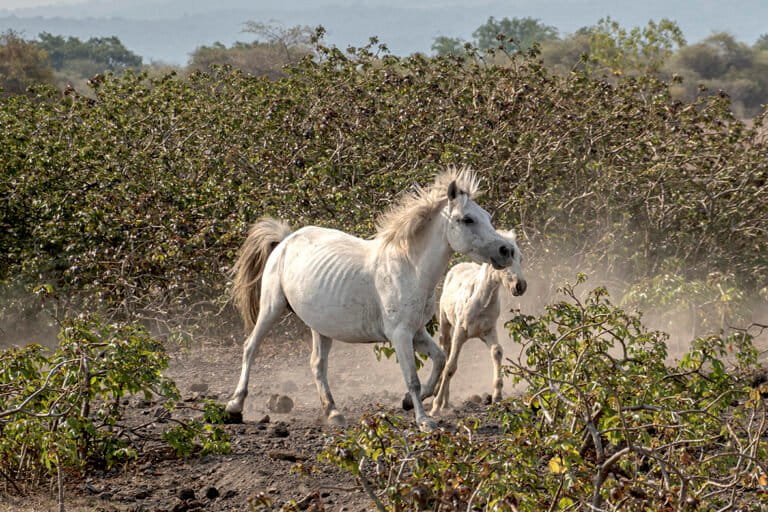
The Kuda Dompu is fundamentally a Sandalwood Pony, a breed native to the islands of Sumba and Sumbawa. Named after the sandalwood trees that were once a major export from the region, these ponies are renowned for their exceptional endurance and sturdy constitution. While they are smaller in stature compared to European or Australian breeds—typically standing between 12 and 13 hands high—their physical capabilities are formidable.
According to Muladno, a Professor at the Faculty of Animal Husbandry at IPB University, the local breeds possess a distinct evolutionary advantage. Having adapted over centuries to the tropical climate of Indonesia, the Kuda Dompu exhibits a high tolerance for heat and a natural resistance to many local diseases that frequently afflict imported breeds. These horses are "easy keepers," capable of maintaining their condition on the sparse grazing lands of the savanna, such as those found in Doro Ncanga at the foot of Mount Tambora. In contrast, Thoroughbreds—descendants of European and Middle Eastern racing stock—require intensive management and are far more susceptible to the stressors of the Indonesian environment.
The Alarming Decline: A Statistical Overview
The demographic trajectory of the Kuda Dompu paints a sobering picture of a breed in retreat. Data from the Central Bureau of Statistics (BPS) for the Province of West Nusa Tenggara indicates that by 2025, the horse population in Dompu Regency had dwindled to approximately 5,333 head. This figure represents a catastrophic decline when compared to historical benchmarks. In 1979, the horse population in Dompu was estimated at nearly 45,000, a number that at the time represented nearly half of the human population of the regency.
The causes of this decline are multifaceted. The primary driver is the mechanization of agriculture and transport. As infrastructure improved and affordable motorcycles became ubiquitous, the practical necessity of keeping a horse vanished for the average farmer. Furthermore, the high cost of feed and maintenance, coupled with the diminishing availability of communal grazing lands due to land conversion for agriculture and development, has made horse ownership an expensive endeavor reserved for the affluent or the truly dedicated.
The Dilemma of Crossbreeding and Pacoa Jara
A significant portion of the remaining 5,333 horses in Dompu are no longer "pure" Sandalwood Ponies. There has been an increasing trend of crossbreeding local mares with Australian stallions or other imported breeds. This shift is driven almost entirely by the demands of "Pacoa Jara," the traditional horse racing circuit.
In the world of Pacoa Jara, speed is the ultimate currency. Owners and breeders have found that crossing the hardy local stock with larger, faster foreign breeds produces offspring with greater explosive speed and a larger physical frame. While these crossbred horses are superior on the racetrack, they often lack the legendary stamina and disease resistance of the original Kuda Dompu.
This genetic mixing presents a conservation paradox. While the popularity of horse racing keeps the interest in horse ownership alive, it simultaneously erodes the genetic integrity of the native breed. Cultural experts and biologists alike express concern that if the trend continues unabated, the authentic Sandalwood Pony of Dompu may eventually exist only in history books, replaced by a homogenized racing hybrid.
The Ecological Backdrop: Doro Ncanga and Mount Tambora
The natural habitat of the Kuda Dompu is as much a part of its identity as its genetics. The vast savanna of Doro Ncanga, situated in the shadow of the mighty Mount Tambora, provides the quintessential backdrop for these animals. This landscape, characterized by wide-open plains and seasonal grasses, allows horses to roam in semi-wild herds, maintaining the physical toughness that the breed is known for.
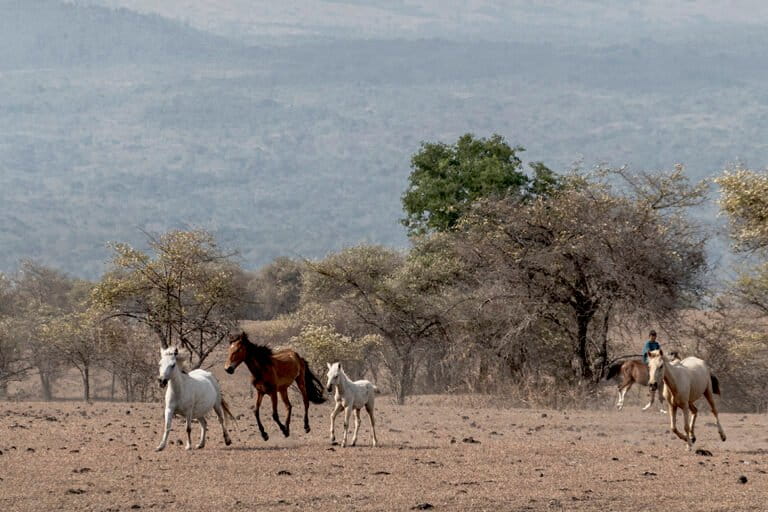
However, this ecosystem is under pressure. The 1815 eruption of Mount Tambora created a unique soil profile that supports these savannas, but modern land-use changes are threatening these traditional grazing grounds. Conservationists argue that protecting the Kuda Dompu requires a holistic approach that includes the preservation of the Doro Ncanga ecosystem. Without the space to graze and exercise in their natural environment, the breed’s unique physiological traits may further diminish.
Expert Analysis and the Path Forward
The preservation of the Kuda Dompu is not merely a matter of biological conservation; it is a matter of maintaining Indonesia’s national identity. Professor Muladno suggests that a more structured approach to breeding and management is essential. He advocates for the establishment of "conservation centers" or dedicated breeding programs that prioritize the genetic purity of the Sandalwood Pony while still supporting the local racing culture.
"Local horses are more resistant to heat and disease because they have lived and evolved in this tropical country for a long time," Muladno explains. This natural resilience is a genetic goldmine that could be vital for future livestock security in the face of global climate change. Losing these traits through thoughtless crossbreeding would be a scientific and heritage loss of immense proportions.
Furthermore, there is a growing call for the provincial government of West Nusa Tenggara to implement policies that incentivize the keeping of purebred local horses. This could include subsidies for feed, better veterinary support for local breeds, and the creation of specific racing categories in Pacoa Jara exclusively for purebred Sandalwood Ponies. By creating a competitive and economic value for the original breed, the government can encourage owners to move away from total reliance on crossbreeding.
Conclusion: A Legacy Worth Protecting
The story of the Kuda Dompu is a microcosm of the tension between progress and preservation. While the days of the horse as a primary mode of transport are long gone, its role as a cultural anchor remains vital. The dramatic drop in population from 45,000 to just over 5,000 in less than half a century is a wake-up call for stakeholders at all levels.
To lose the Kuda Dompu would be to lose a piece of the soul of Dompu. It would mean the disappearance of a biological marvel that has survived the ash of Tambora and the humidity of the tropics for generations. As the sun sets over the savannas of Doro Ncanga, the sight of horses grazing against the volcanic horizon remains one of Indonesia’s most iconic vistas. Ensuring that this sight remains for future generations will require a concerted effort from the government, cultural leaders, and the breeders themselves to value the "asli" (original) over the merely "fast." The preservation of the Kuda Dompu is, ultimately, the preservation of the Dompu people’s history and their enduring spirit of resilience.