Nasution Nanang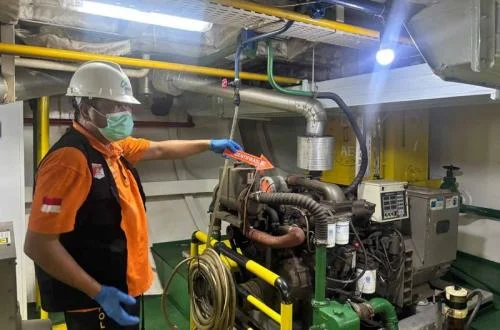
Banda Aceh, Indonesia – Authorities in Banda Aceh have launched a comprehensive investigation into a devastating explosion that occurred aboard the KMP Aceh Hebat 2 ferry, which was docked at Ulee Lheue Port. The incident, which took place on Friday, June 12, resulted in injuries to fifteen individuals, primarily maritime cadets, and has prompted widespread concerns regarding maritime safety protocols and the operational integrity of inter-island transport vessels in the region. The Satuan Reserse Kriminal (Satreskrim) or Criminal Investigation Unit of the Banda Aceh Police is leading the probe, working in close coordination with provincial and national maritime agencies to ascertain the precise cause of the blast.
The calamitous event saw fourteen students from the Politeknik Pelayaran Malahayati (Malahayati Maritime Polytechnic) and one crew member sustain varying degrees of burn injuries. All victims were promptly evacuated and are currently receiving intensive medical treatment at the Instalasi Gawat Darurat (Emergency Unit) of Rumah Sakit Umum Daerah Zainoel Abidin (RSUDZA), Banda Aceh’s primary public hospital. The severity of their injuries ranges from mild to critical, underscoring the urgent need for a thorough and transparent investigation.
Komisaris Polisi Miftahuda Dhiza Fezuono, the Head of Satreskrim Polresta Banda Aceh, affirmed the multi-agency approach to the investigation. "We are working collaboratively with teams from the Ditreskrimum Polda Aceh (Directorate of General Criminal Investigation of the Aceh Regional Police) and Ditpolairud Polda Aceh (Directorate of Water Police and Air Police of the Aceh Regional Police) to delve into the causes of the KMP Aceh Hebat 2 explosion, which has left numerous individuals with burn wounds," Miftahuda stated from Banda Aceh. The collaborative effort highlights the complexity of the incident and the multifaceted expertise required to unravel its origins.
Chronology of the Catastrophe
The ill-fated KMP Aceh Hebat 2, a roll-on/roll-off (Ro-Ro) ferry, had just completed its voyage from Balohan Port in Sabang and was securely berthed at Ulee Lheue Port in Banda Aceh when the explosion transpired. According to preliminary police accounts, the incident occurred while a group of maritime cadets was engaged in practical field training exercises onboard the vessel. These training programs are an integral part of their curriculum, providing hands-on experience crucial for their future careers in the maritime industry.
The ferry’s arrival at Ulee Lheue, a critical maritime gateway connecting mainland Aceh with the island of Sabang, typically signifies a routine operational conclusion. However, the calm of the port was shattered by the sudden and violent blast. Eyewitnesses described a loud bang followed by plumes of smoke emanating from the vessel. The location of the explosion was quickly identified as the engine room, a critical and high-risk area of any ship dueating to the presence of machinery, fuel, and electrical systems.
"Suddenly, an explosion occurred. We are currently unable to confirm the exact cause as the investigation is ongoing. The blast originated in the engine room," explained Miftahuda, emphasizing the preliminary nature of the findings. The immediate aftermath was chaotic, with emergency services, including medical teams and police, rushing to the scene to assist the injured and secure the area. The rapid response was crucial in mitigating further casualties and ensuring the prompt evacuation of all personnel from the affected areas of the vessel. The injured cadets and crew member were swiftly transported to RSUDZA, a testament to the coordinated efforts of first responders.
Victim Support and Medical Response
The majority of the victims are students from the Politeknik Pelayaran Malahayati, a respected institution dedicated to training future generations of Indonesian seafarers. These students, often referred to as taruna (cadets), undergo rigorous theoretical and practical training designed to prepare them for the demands of the global maritime sector. Their presence on the KMP Aceh Hebat 2 was part of this essential practical component, offering them real-world exposure to ferry operations. The incident has thus cast a shadow over the safety protocols governing such vital training exercises.
RSUDZA Banda Aceh has mobilized its medical personnel, including burn specialists, surgeons, and nurses, to provide comprehensive care for the injured. Treating burn victims is a complex and lengthy process, often requiring specialized facilities, prolonged hospitalization, and extensive rehabilitation. The hospital’s capacity to handle a mass casualty incident involving burn injuries is being tested, though initial reports indicate they are managing the influx effectively. The psychological impact on the victims, who are mostly young students, is also a significant concern, necessitating long-term psychological support in addition to physical recovery.
Beyond immediate medical care, the institution of Politeknik Pelayaran Malahayati is expected to provide comprehensive support to its students and their families. This includes financial assistance for medical expenses not covered by insurance, psychological counseling, and academic adjustments to accommodate their recovery. The incident serves as a stark reminder of the inherent risks associated with maritime professions, even during training exercises, and underscores the need for continuous vigilance and robust safety measures.
The KMP Aceh Hebat Fleet and Regional Connectivity
The KMP Aceh Hebat 2 is part of the "Aceh Hebat" (Great Aceh) fleet, a regional government initiative launched to enhance inter-island connectivity and facilitate the movement of goods and people across Aceh’s vast maritime territory. These Ro-Ro ferries are vital lifelines, particularly for islands like Sabang, which heavily relies on sea transport for tourism, trade, and daily necessities. The Sabang-Banda Aceh route is one of the busiest, linking the provincial capital with the popular tourist destination and free trade zone of Sabang.
Ulee Lheue Port in Banda Aceh serves as a crucial hub for this connectivity. It is a bustling terminal that handles a significant volume of passenger and cargo traffic daily. Similarly, Balohan Port in Sabang is the primary entry and exit point for the island, making the operational reliability and safety of ferries like KMP Aceh Hebat 2 paramount to the region’s economy and social fabric. Any disruption or safety concern related to these vessels has immediate and far-reaching consequences for the local population and economy.
The "Aceh Hebat" program was conceptualized to modernize and expand Aceh’s maritime transport infrastructure, aiming to provide safer, more efficient, and reliable services. Incidents like the explosion on KMP Aceh Hebat 2, therefore, not only threaten individual lives but also challenge the very premise of such ambitious regional development initiatives, prompting a re-evaluation of implementation and oversight.
Intensifying the Investigation: Uncovering the Root Causes
The joint investigation by Polresta Banda Aceh, Polda Aceh’s Ditreskrimum, and Ditpolairud Polda Aceh is expected to be exhaustive. The focus remains on the engine room, the point of origin for the explosion. Engine room explosions on ships can be attributed to a variety of factors, often a combination of mechanical failure, human error, and inadequate maintenance. Potential causes under scrutiny include:
- Fuel Leaks and Vapors: Leaks from fuel lines, tanks, or engine components can release flammable vapors into the confined space of an engine room. A spark from electrical equipment, hot surfaces, or even static electricity can then ignite these vapors.
- Electrical Malfunctions: Faulty wiring, overloaded circuits, or malfunctioning electrical equipment can generate sparks or excessive heat, leading to ignition.
- Mechanical Failures: Overheating engines, malfunctioning auxiliary machinery, or ruptures in high-pressure systems (e.g., steam, hydraulics) can create conditions conducive to explosions or fires.
- Human Error: Incorrect operational procedures, failure to follow safety protocols, or lapses in vigilance during routine checks or maintenance can inadvertently lead to dangerous situations.
- Maintenance Deficiencies: Neglected maintenance, use of substandard parts, or improper repairs can compromise the safety systems and structural integrity of the engine room components.
Investigators will be meticulously examining the vessel’s maintenance records, operational logs, and any available data recorders. They will also interview the crew, the cadets, and any witnesses who might shed light on the events leading up to the explosion. Forensic analysis of the engine room wreckage will be critical in identifying specific points of failure or ignition sources. The expertise of marine engineers and safety experts will be vital in reconstructing the sequence of events and determining whether the incident was preventable. The Directorate General of Sea Transportation under the Ministry of Transportation, as the primary maritime safety regulator in Indonesia, will also likely be involved in reviewing the findings and potentially issuing new safety directives.
Statements and Reactions from Stakeholders
In the wake of the incident, various stakeholders have issued statements reflecting their concern and commitment to addressing the situation.
- Law Enforcement: Police officials, including Commissioner Miftahuda Dhiza Fezuono, have reiterated their commitment to a thorough and impartial investigation, promising to release comprehensive findings once they are conclusive. They have urged the public to refrain from speculation and allow the investigative process to run its course.
- Politeknik Pelayaran Malahayati: A spokesperson for the Malahayati Maritime Polytechnic expressed profound regret over the incident, emphasizing their immediate priority is the well-being and recovery of their students. They confirmed full cooperation with the police investigation and stated that a review of their field training safety protocols would be undertaken to prevent future occurrences. The institution also pledged full support to the families of the affected cadets.
- Ferry Operator (likely ASDP Indonesia Ferry): While specific statements were not detailed in the original report, the operator of the KMP Aceh Hebat 2 (typically PT ASDP Indonesia Ferry for state-owned routes) would be expected to issue a statement expressing condolences to the victims, affirming their commitment to safety, and pledging full cooperation with authorities. Such incidents invariably prompt an internal review of operational and maintenance procedures.
- Local Government of Aceh: The Governor of Aceh, or a representative from the provincial government, would likely express deep concern for the victims and their families, directing all relevant agencies to provide maximum support. They would also emphasize the importance of maritime safety for the region’s development and call for stringent enforcement of regulations.
- Ministry of Transportation: Given the national implications of a ferry explosion, the Ministry of Transportation, through its Directorate General of Sea Transportation, would likely monitor the investigation closely. They might initiate a broader audit of maritime safety standards across the national ferry fleet, especially for vessels involved in cadet training programs, to prevent similar incidents nationwide.
Broader Impact and Implications
The explosion on KMP Aceh Hebat 2 carries significant broader implications beyond the immediate tragedy.
- Maritime Safety in Indonesia: Indonesia, an archipelago nation, relies heavily on sea transport. However, maritime accidents, often attributed to aging vessels, poor maintenance, overloading, and human error, are not uncommon. This incident will undoubtedly reignite calls for stricter enforcement of maritime safety regulations, more rigorous inspections, and increased investment in modernizing the national ferry fleet. It also highlights the critical importance of robust safety management systems and a strong safety culture within maritime operating companies.
- Public Trust: Incidents like this erode public confidence in maritime transport. For communities that depend on ferries for their daily lives and economic activities, questions about safety can lead to anxiety and reluctance to travel. Restoring public trust will require transparency in the investigation, accountability for any negligence found, and demonstrable improvements in safety standards.
- Economic Disruption: The KMP Aceh Hebat 2 is a key vessel on a vital route. Its temporary removal from service for investigation and repairs will disrupt the Sabang-Banda Aceh ferry schedule, impacting tourism, local businesses, and residents who rely on the service for transportation of goods and people. The cost of repairs, potential replacement, and lost revenue could also be substantial.
- Maritime Training Protocols: The involvement of maritime cadets in the incident puts a spotlight on the safety protocols governing practical training programs. Maritime academies and operators will need to review and potentially revise their procedures to ensure the utmost safety for students during onboard exercises, balancing the need for practical experience with stringent risk management.
- Legal Consequences: Should the investigation uncover evidence of negligence, improper maintenance, or violations of safety regulations, legal proceedings could follow. Individuals or corporate entities found responsible could face criminal charges or civil liabilities, underscoring the serious legal ramifications of maritime accidents.
As the investigation unfolds, the focus remains on providing care for the injured, meticulously uncovering the causes of the explosion, and implementing measures to prevent such tragedies from recurring. The KMP Aceh Hebat 2 incident serves as a poignant reminder of the inherent risks in maritime operations and the paramount importance of unwavering commitment to safety, maintenance, and training in this vital sector.