Nasution Nanang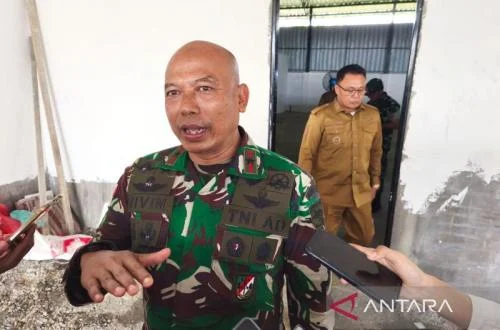
NABIRE, CENTRAL PAPUA – Brigadier General TNI Vivin Alvianto, Commander of Korem 173/Praja Vira Braja (PVB), has issued a strong appeal to the National Nutrition Agency (BGN) to prioritize the procurement of locally grown rice from farmers in Nabire Regency, Central Papua. This strategic move is intended to serve the needs of the nascent Free Nutritious Meals (MBG) program, a flagship initiative aimed at bolstering food security and improving public health across Indonesia. The Commander’s call comes amidst reports of a significant surplus in local rice production, which, if not absorbed, poses a substantial economic challenge to the region’s agricultural community. The initiative seeks to transform a local agricultural glut into a national benefit, simultaneously supporting farmer livelihoods and underpinning a vital social welfare program.
The Call for Local Procurement and the Surplus Challenge
Brigadier General Vivin Alvianto, speaking from Nabire on Saturday, underscored the critical need for a concerted effort to absorb the excess rice production. He revealed that Korem 173/PVB had received numerous appeals from Nabire’s farmer groups, expressing their concerns over unsold paddy harvests. "We have received input from farmer groups requesting that their rice be absorbed for the needs of the MBG program. We will convey this to higher echelons," Brigjen Vivin stated, emphasizing the urgency and the commitment of the military command to advocate for the farmers.
The issue of surplus rice in Nabire is not merely an isolated incident but a recurring challenge stemming from robust agricultural output coupled with limited market access and inadequate storage facilities. This oversupply leads to a substantial backlog of harvested rice, which, without timely absorption, risks spoilage and significant financial losses for the farmers. The current market dynamics leave farmers vulnerable, as their hard work translates into perishable inventory rather than sustainable income.
One of the primary impediments to the absorption of local rice into national programs, such as the MBG, is the strict adherence to specific rice type standards. The MBG program, like many large-scale government procurement initiatives, often specifies particular varieties, grain sizes, or quality parameters that local Nabire rice may not perfectly match. This discrepancy creates a bottleneck, preventing readily available local produce from being utilized, even when a pressing need exists. Brigjen Vivin highlighted the necessity for a "special policy" to address these specifications, allowing the types of rice cultivated by Nabire farmers to be formally recognized and procured by the BGN. Such a policy would bridge the gap between local supply and national demand, creating a seamless integration of regional agricultural output into broader national programs.
Furthermore, Brigjen Vivin noted that the current national rice stock is reportedly in a surplus condition, suggesting an opportune moment to leverage local production more effectively. This national surplus context reinforces the argument that utilizing local produce from regions like Nabire would not only alleviate regional farmer distress but also contribute to a more diversified and resilient national food supply chain, reducing reliance on external or imported sources.
The "Makan Bergizi Gratis" Program: A National Imperative
The "Makan Bergizi Gratis" (MBG) program represents a cornerstone of the incoming government’s social welfare agenda, designed to provide nutritious meals, particularly to vulnerable segments of the population such as school children and pregnant women. The program aims to combat malnutrition, enhance cognitive development, and improve public health outcomes across the archipelago. Its successful implementation hinges on a consistent and reliable supply of food, making the procurement strategy a critical component.
By integrating local agricultural produce, especially rice, the MBG program can achieve several strategic objectives. Firstly, it ensures a stable and often fresher supply of food components. Secondly, it injects direct economic benefits into local farming communities, acting as a significant off-taker for their produce. Thirdly, it aligns with broader national goals of fostering food self-sufficiency and strengthening the agricultural sector, particularly in remote and developing regions like Central Papua. The sheer scale of the MBG program, once fully operational, has the potential to become one of the largest agricultural procurement initiatives in the nation, offering an unprecedented opportunity for local farmers.
Nabire’s Agricultural Potential and Regional Significance
Nabire Regency, situated in Central Papua, holds considerable promise as an agricultural hub. The fertile lands and favorable climate conditions are conducive to rice cultivation, which forms a vital part of the local economy and provides a livelihood for a significant portion of the population. Over the years, efforts have been made to boost agricultural productivity in the region, including the introduction of modern farming techniques, improved seed varieties, and infrastructure development. These initiatives have led to increased yields, contributing to the current surplus.
However, the journey from farm to market in Papua often presents unique challenges. Geographical isolation, rugged terrain, and underdeveloped logistics infrastructure mean that farmers face higher transportation costs and limited access to broader markets. This disconnect between production capacity and market accessibility exacerbates the problem of surplus, as farmers struggle to find buyers beyond their immediate localities. The proposition to channel Nabire’s rice into the MBG program offers a direct and substantial solution to this market access dilemma, effectively creating a guaranteed demand for their produce.
Historically, Papua’s agricultural sector has faced systemic challenges, including limited investment, technical support, and market integration. Initiatives like the one proposed by Brigjen Vivin are crucial for unlocking the region’s full agricultural potential and transforming it from a mere subsistence economy into a more dynamic and commercially viable one. Empowering farmers in Nabire not only improves their immediate welfare but also contributes to the long-term food security and economic resilience of Central Papua.
Broader Context: Food Security and National Resilience
Indonesia, as an archipelagic nation with a vast and diverse geography, places a high priority on national food security. The paradox of localized agricultural surpluses coexisting with potential food deficits in other regions, or a reliance on imports, is a persistent policy challenge. The national strategy emphasizes local self-sufficiency and strengthening domestic supply chains to mitigate global market volatility and ensure stable access to staple foods.
The initiative in Nabire aligns perfectly with this national agenda. By procuring rice locally, the BGN would not only address the immediate needs of the MBG program but also strengthen the overall resilience of Indonesia’s food system. It demonstrates a commitment to valuing and integrating regional agricultural output into the national framework, fostering a sense of inclusion and shared responsibility for food security. Furthermore, a robust local food system can act as a buffer against external shocks, such as climate change impacts or disruptions in global supply chains.
The economic implications extend beyond individual farmer welfare. A thriving agricultural sector in Nabire would stimulate the local economy, create jobs in related industries (processing, transportation, storage), and reduce poverty rates. It could also encourage further investment in agricultural infrastructure and technology, paving the way for sustainable growth.
Potential Collaborations and Policy Adjustments
To successfully implement the proposed absorption of Nabire’s local rice, multi-stakeholder collaboration will be essential. Key players include the Korem 173/PVB (as an advocate and facilitator), the National Nutrition Agency (BGN, as the primary procurer), the local government of Nabire and Central Papua Province (for policy support, infrastructure, and coordination), and the Ministry of Agriculture (for technical guidance, quality control, and agricultural development programs).
The issue of procurement standards, as highlighted by Brigjen Vivin, will require careful consideration and potential policy adjustments. While quality assurance is paramount for a program like MBG, there could be flexibility to accommodate specific local rice varieties, perhaps through targeted quality control mechanisms or by establishing regional procurement standards that reflect local agricultural realities. This would require a dialogue between BGN’s nutrition and procurement experts and agricultural specialists from the Ministry of Agriculture and local farming communities.
Beyond the MBG program, Brigjen Vivin also suggested channeling local rice through the Koperasi Desa/Kelurahan Merah Putih (KDMP) or Red and White Village/Sub-district Cooperatives. These local cooperatives could serve as crucial intermediaries, consolidating harvests, ensuring quality control, and facilitating distribution. Strengthening KDMP’s capacity would not only aid in the distribution of MBG rice but also empower local communities to manage their agricultural produce more effectively, enhancing their bargaining power and market reach. This cooperative model has proven successful in other regions for improving farmer welfare and strengthening local economies by collectively managing production and marketing.
Long-Term Impact and Vision
The initiative to absorb Nabire’s local rice for the Free Nutritious Meals program transcends a simple procurement transaction; it embodies a broader vision for sustainable development and inclusive growth in Papua. By creating a direct link between local farmers and a national welfare program, it establishes a powerful model for leveraging regional strengths to address national needs.
The long-term impact could include:
- Enhanced Farmer Livelihoods: Consistent demand and fair prices would stabilize farmer incomes, encouraging continued investment in agriculture and improving overall living standards.
- Strengthened Local Food Systems: The initiative would foster a more robust and resilient local food system in Nabire, reducing dependence on external food sources and enhancing regional food security.
- Regional Economic Development: Increased agricultural activity would create a multiplier effect, stimulating growth in related sectors and fostering overall economic development in Central Papua.
- Improved Nutritional Outcomes: A reliable supply of locally sourced, fresh rice would contribute to the efficacy of the MBG program, leading to better nutritional outcomes for beneficiaries.
- National Integration and Equity: It signals a commitment from the central government to support remote regions and integrate their economies into the national fabric, fostering a sense of equity and shared prosperity.
Conclusion
Brigadier General Vivin Alvianto’s advocacy for Nabire’s rice farmers is a timely and strategic intervention that underscores the critical nexus between local agricultural production, national food security, and social welfare programs. By pushing for the National Nutrition Agency to absorb the surplus rice for the Free Nutritious Meals program, the Korem 173/PVB Commander is not only addressing an immediate economic challenge for farmers but also championing a model of sustainable development that benefits multiple stakeholders. The success of this initiative will hinge on effective inter-agency coordination, flexible policy adjustments, and a shared commitment to empowering local communities while ensuring the nutritional well-being of the nation’s most vulnerable populations. It represents a powerful opportunity to transform local agricultural abundance into a cornerstone of national resilience and progress.