Nasution Nanang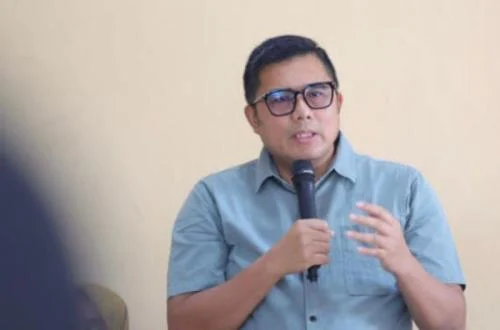
SEMARANG – Mohammad Saleh, Deputy Speaker of the Central Java Regional House of Representatives (DPRD), has voiced strong support for the development and implementation of Waste-to-Energy (PSEL) programs across various regions of the province. Speaking in Semarang on Wednesday, May 20, Saleh emphasized that these initiatives represent a critical and effective solution to the escalating waste management challenges faced by Central Java, while simultaneously contributing to the province’s commitment to clean and renewable energy sources. His statement underscores a growing consensus among policymakers regarding the urgent need for innovative approaches to waste, moving beyond traditional landfill-centric models.
The Legislative Push for Sustainable Waste Management
Saleh’s endorsement highlights a strategic shift in perspective, viewing waste not merely as a disposal problem but as a valuable resource. He articulated that the advancement of technology for converting waste into energy is a pivotal step towards significantly reducing the volume of accumulated refuse and generating alternative energy that can benefit communities. The Deputy Speaker stressed that the issue of waste demands a comprehensive, integrated, and sustainable approach, addressing both its origins and its final disposition. This holistic view is crucial for establishing a resilient waste management ecosystem that can withstand future demographic and economic pressures.
He further elaborated that innovations in waste management demonstrate its inherent economic and energetic value, transforming it from a mere pollutant into a productive asset. However, Saleh also cautioned against an over-reliance on downstream processing technologies alone. He firmly believes that effective waste control must commence upstream, primarily through fostering greater public awareness and encouraging household-level waste segregation. This dual focus on both technological solutions and behavioral change is seen as essential for long-term success.
To this end, Saleh advocated for the optimization of waste banks at the village and sub-district levels. These community-based initiatives are vital for mitigating waste generation at its source and enhancing the economic value derived from discarded materials. By empowering communities to manage their waste proactively, waste banks not only reduce the burden on formal collection systems but also create micro-economies, offering incentives for responsible waste practices.
Central Java’s Mounting Waste Challenge: A Provincial Overview
Central Java, one of Indonesia’s most populous provinces, grapples with an immense volume of waste, currently estimated at an staggering 6.3 million tons per year. This figure places immense pressure on existing waste infrastructure, predominantly landfills, many of which are nearing or have exceeded their capacity. The rapid urbanization, population growth, and changing consumption patterns across the province contribute to this ever-increasing waste stream. Cities like Semarang, Surakarta, and Purwokerto, along with their surrounding agglomerations, are particularly affected, experiencing daily challenges in waste collection, transportation, and disposal.
The environmental ramifications of inadequate waste management are severe. Open dumping, still prevalent in some areas, leads to soil and water contamination, methane gas emissions contributing to climate change, and public health hazards. Landfills, even managed ones, require vast tracts of land, which are becoming increasingly scarce in densely populated areas. The leachate from decomposing waste can seep into groundwater, contaminating vital water sources, while the uncontrolled release of methane, a potent greenhouse gas, exacerbates global warming. Addressing this challenge is not merely an environmental imperative but also a matter of public health, economic sustainability, and urban liveability.
PSEL: A Strategic Solution for Energy and Environment
The Waste-to-Energy (PSEL) program, as championed by Saleh, represents a significant leap forward from traditional waste disposal methods. PSEL technologies convert municipal solid waste (MSW) into usable forms of energy, such as electricity, heat, or fuel. While various technologies exist, including incineration with energy recovery, gasification, pyrolysis, and anaerobic digestion, the most commonly discussed for large-scale urban applications in Indonesia is incineration with advanced emission control systems. This process significantly reduces waste volume (by up to 90%), eliminates harmful pathogens, and generates a stable base-load power supply.
Indonesia, as a nation, has recognized the strategic importance of PSEL. Presidential Regulation No. 35 of 2018 on the Acceleration of Waste-to-Energy Development provides the legal and policy framework for these projects. This regulation designates several cities as priority areas for PSEL development, aiming to address the national waste crisis while simultaneously boosting renewable energy capacity. The government has offered various incentives, including favorable power purchase agreements (PPAs) and tipping fees, to attract investment in PSEL facilities. For Central Java, the plan is to focus PSEL development on three priority agglomeration areas, where the waste problem is most acute and the potential for energy generation is highest. These strategic locations are likely chosen based on waste generation volumes, existing infrastructure, and energy demand.
The Nuance of Upstream and Downstream Approaches: The Role of Waste Banks
Saleh’s emphasis on upstream waste management through community-based initiatives like waste banks (bank sampah) is critical for the overall success of PSEL and a truly circular economy. Waste banks operate on a simple yet powerful principle: residents deposit sorted recyclable waste, which is then weighed and credited to their accounts, often in monetary value or goods. This system incentivizes source segregation, reduces the amount of mixed waste going to landfills, and provides an income stream for participants.
In Central Java, optimizing the role of these waste banks can have multi-faceted benefits. Firstly, it instills a sense of responsibility and environmental awareness within communities, fostering a culture of recycling and waste reduction. Secondly, by separating organic from inorganic waste, and further categorizing recyclables, the quality and calorific value of the residual waste destined for PSEL facilities can be improved. This enhances the efficiency of the energy conversion process and reduces maintenance costs for PSEL plants. Thirdly, waste banks create local economic opportunities, empowering individuals and small enterprises involved in collecting, sorting, and processing recyclables. Success stories from various villages and urban neighborhoods in Indonesia demonstrate that well-managed waste banks can significantly reduce waste sent to landfills and create sustainable livelihoods.
National Context and the Urgency of Waste-to-Energy
Indonesia faces a formidable challenge in waste management, with national waste generation estimated to exceed 68 million tons annually. Only a fraction of this is properly managed, with a significant portion ending up in informal dumpsites, rivers, or the ocean. This environmental degradation poses a severe threat to biodiversity, marine ecosystems, and human health. The national government has set ambitious targets for waste reduction and handling, aiming for 100% waste management by 2025. PSEL is viewed as a crucial component in achieving these goals, especially for large urban centers where land for new landfills is scarce and environmental pressures are high.
Moreover, PSEL aligns with Indonesia’s broader commitment to increasing its renewable energy mix. The country aims to achieve 23% renewable energy in its total energy supply by 2025. While hydropower, geothermal, solar, and wind power are significant contributors, PSEL offers a unique opportunity to address two critical issues simultaneously: waste management and energy security. By converting waste into electricity, PSEL projects reduce reliance on fossil fuels, diversify the energy portfolio, and contribute to a more sustainable energy future.
Economic and Environmental Dividends
The implementation of PSEL programs in Central Java promises substantial economic and environmental dividends. Economically, these projects represent significant investments, typically in the hundreds of millions of dollars, leading to job creation during construction, operation, and maintenance phases. The sale of electricity generated from waste provides a stable revenue stream, while reduced landfilling costs and potential carbon credits further enhance financial viability. The infrastructure development associated with PSEL, including waste collection and sorting facilities, can also stimulate local economies.
Environmentally, PSEL offers profound benefits. It drastically reduces the volume of waste sent to landfills, extending their lifespan or eliminating the need for new ones. More importantly, it mitigates greenhouse gas emissions. Decomposing organic waste in landfills produces methane, a greenhouse gas 25 times more potent than carbon dioxide over a 100-year period. By incinerating or gasifying waste in a controlled environment, PSEL facilities capture and utilize this energy, preventing methane release and reducing the overall carbon footprint of waste management. Modern PSEL plants are equipped with advanced emission control technologies that ensure compliance with stringent air quality standards, minimizing the release of pollutants.
Challenges and Implementation Hurdles
Despite the clear benefits, the path to widespread PSEL adoption in Central Java, and indeed across Indonesia, is fraught with challenges. One of the primary hurdles is the high upfront capital investment required for PSEL facilities. These technologies are complex and expensive to build, often requiring significant financing from both public and private sectors. Attracting private investment necessitates stable regulatory frameworks, predictable tipping fees (the cost paid per ton of waste delivered to the plant), and reliable power purchase agreements with the state-owned electricity company, PLN.
Another significant challenge is ensuring a consistent and sufficient supply of waste with a stable calorific value. The heterogeneous nature of Indonesian waste, often containing high moisture content and varying compositions, can affect PSEL efficiency. Public acceptance is also a critical factor; communities living near proposed PSEL sites may have concerns about air quality, traffic, and potential health impacts, necessitating transparent communication and robust environmental impact assessments. Land acquisition for these large-scale facilities can also be a complex and time-consuming process. Furthermore, the capacity and readiness of local governments to effectively manage complex public-private partnerships and enforce waste segregation policies are crucial for project success.
The Role of Stakeholders and Public Awareness
The successful implementation of PSEL programs and broader sustainable waste management in Central Java will require a concerted effort from multiple stakeholders. The provincial and local governments must provide clear policy directives, facilitate land acquisition, ensure regulatory compliance, and potentially offer financial incentives. The private sector, including PSEL developers and technology providers, brings the necessary expertise and investment. Community groups, supported by NGOs, play a vital role in promoting source segregation, participating in waste banks, and holding authorities accountable.
Public awareness campaigns are paramount to shift mindsets from "throwaway" culture to one of "reduce, reuse, recycle." Educational initiatives in schools and through various media channels can instill responsible waste habits from a young age. Demonstrating the tangible benefits of waste management – cleaner environments, new job opportunities, and locally generated energy – can build public trust and foster active participation.
Future Outlook and Policy Imperatives
Mohammad Saleh’s unequivocal support for PSEL programs in Central Java signals a strong political will to tackle the province’s waste crisis with advanced, sustainable solutions. As Central Java moves forward with identifying and developing PSEL facilities in its three priority agglomeration areas, continuous policy support, robust financial mechanisms, and effective multi-stakeholder collaboration will be indispensable. The provincial government, in conjunction with district and city administrations, must work to streamline permitting processes, secure long-term waste supply agreements, and establish fair and sustainable tipping fees.
The vision is for Central Java to transform its waste management landscape, turning a pressing environmental challenge into an opportunity for energy independence and economic growth. By embracing PSEL alongside strengthened upstream waste management practices, Central Java has the potential not only to significantly reduce its environmental footprint but also to emerge as a leading model for sustainable urban development and resource management in Indonesia, ultimately contributing to a healthier, cleaner, and more energy-secure future for its 37 million residents.